
Basics
Is there mold in my house?
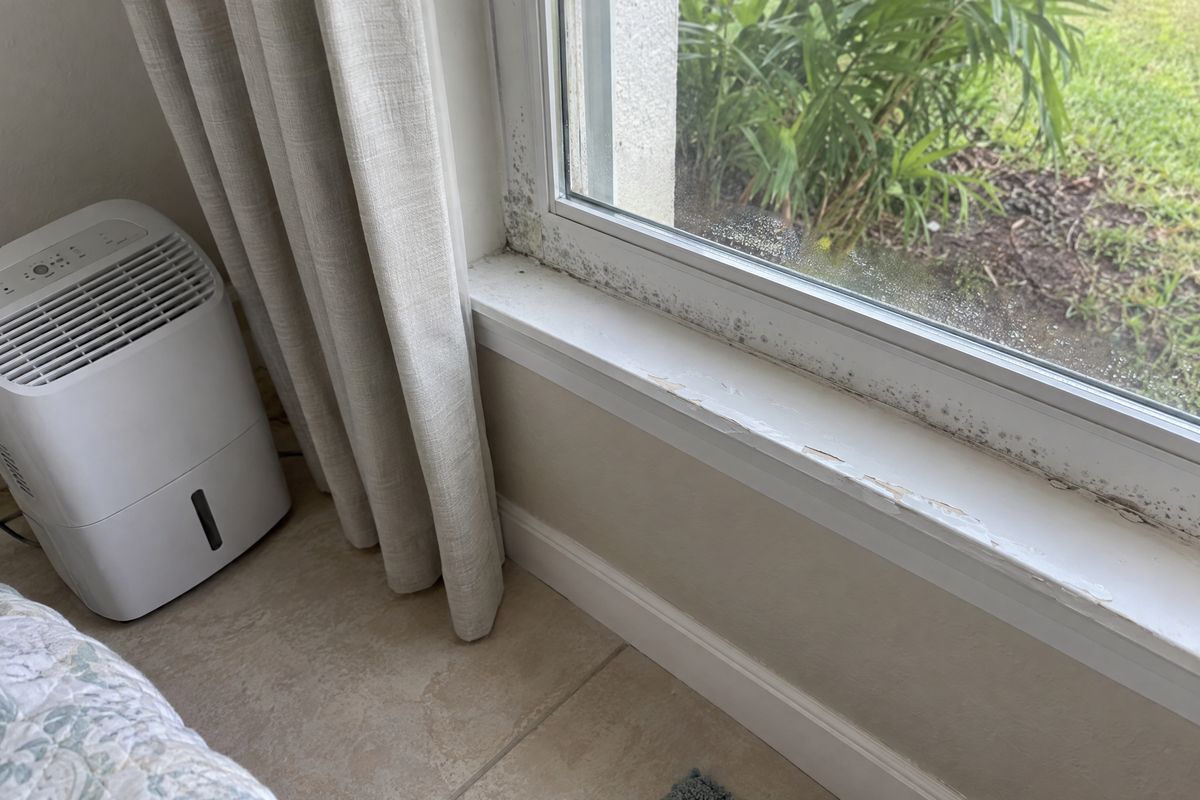
If a surface in your home stays wet, mold can grow on it. The path forward is to find the moisture, remove the growth and dry the area.
How we work

English or Spanish
One call, in your language.

One point of contact
No searching. No lists of companies.

Independent assessment
By a licensed assessor you hire and pay directly.
Licensed remediation
We sell it; a Florida-licensed remediator performs it on our behalf.
What this section covers
Mold is a fungus that grows on damp surfaces. The most common indoor molds are Cladosporium, Penicillium and Aspergillus.
The key to mold control is moisture control. In Florida, leaks, condensation, air handler moisture, storms and high humidity are common sources of the water that feeds growth.
Start with these guides

What mold is
A short explanation of what grows indoors and why the type matters less than the moisture.

Why mold grows
Moisture sources, the 24 to 48 hour drying window and why cleaning without fixing the water does not last.

Signs in your home
Visible growth, stains, condensation and musty odors, plus where growth often hides.

Mold in air conditioning
Why air handlers and duct liners get damp, and when a system should stay off.
Start with the water
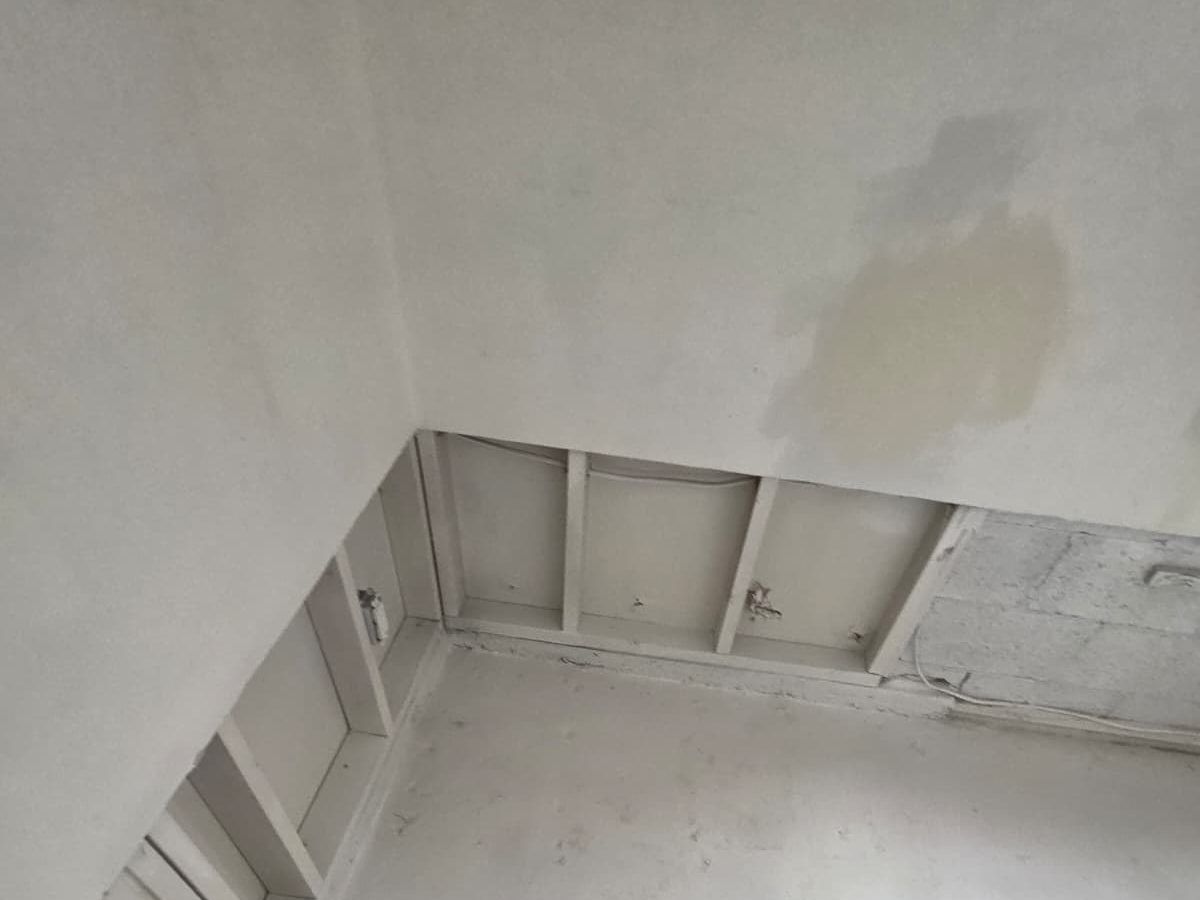
Every problem in this section comes back to the same question: where is the water coming from. A leak, condensation, an air handler pan or a storm can all keep a surface wet.
Find the source, remove the growth, and dry the area within 24 to 48 hours.
- The most common indoor molds are Cladosporium, Penicillium and Aspergillus.
- Color alone does not identify a mold or its risk.
- Visible mold is the most important sign of a problem.
Clean what can be cleaned, remove what cannot
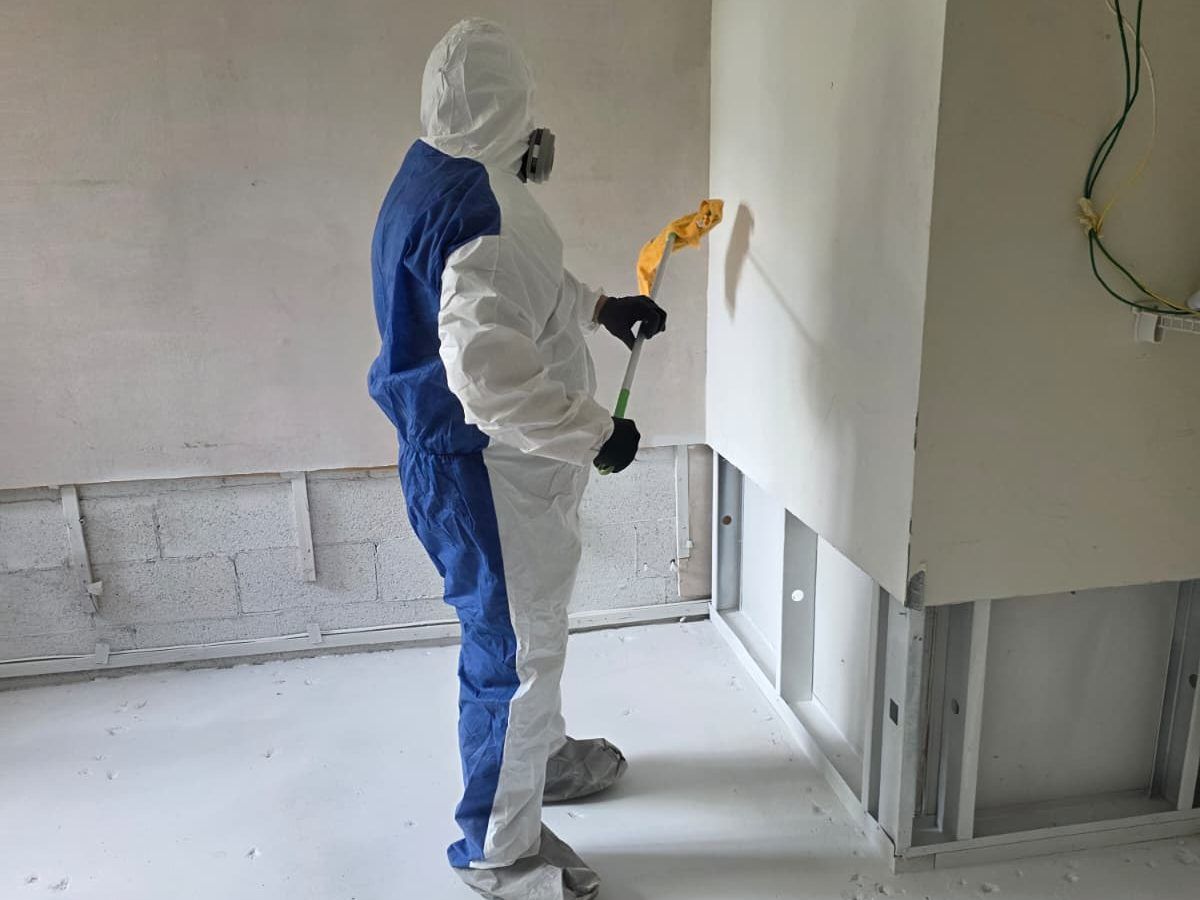
Once growth is visible, size the area and look for the moisture behind it. Non-porous hard surfaces can often be cleaned; wet porous materials often have to be thrown away.
Do not run a heating or cooling system you know or suspect is contaminated.
- Wipe or scrub non-porous hard surfaces with water or water and detergent, then dry quickly.
- Ceiling tiles and carpet that stayed wet may have to be discarded.
- Turn off a contaminated HVAC system so it does not spread mold through the building.

Our home visit is a visual walkthrough, not an assessment. Only an independent licensed assessor performs an assessment, and the homeowner hires and pays that assessor directly. If remediation is needed, we sell it under our agreement and a Florida-licensed remediator performs it on our behalf.
Talk it through with us
Request a call. We will explain the process. The assessment is done by an independent licensed assessor you hire and pay directly, and if remediation is needed, we sell it under our agreement and a Florida-licensed remediator performs it on our behalf.
Guides in this section
Common questions
What are the signs of mold behind drywall?
Hidden mold may sit on the back of drywall, wallpaper or paneling, the top of ceiling tiles, and the underside of carpets and pads. Telltale signs are a musty odor, bubbling or soft spots in the wall, stains that keep coming back, and a moisture meter reading that stays high after the surface looks dry. In Florida, hot humid outdoor air pulled into a wall cavity can condense on air-conditioned gypsum board and feed hidden growth. A moisture inspection is the practical first step.
Why is there mold in my bathroom and closet?
Bathrooms and closets stay damp and get little airflow. Common indoor mold sites include bathroom tile and grout, areas around windows, and near leaky fixtures. Closets are often missed because they may get no conditioned air, and mold on leather and fabric is not uncommon there. The fix is ventilation and drying: run the exhaust fan or open a window when showering, keep the fan on long enough to clear steam, and do not block closet walls with dense storage against a cold exterior wall.
What should I do after water damage to stop mold?
Dry fast and decide what can be saved. If a home flooded and could not be dried within 24 to 48 hours, assume mold growth. Remove standing water, extract carpet and backing, and use dehumidification and fans to dry within 24 to 48 hours. Throw away anything wet that cannot be cleaned and dried completely in that window, especially porous materials. If the water was sewage or otherwise contaminated, call a professional experienced in contaminated-water remediation.
Does mold grow on wood and furniture?
Yes. Mold grows on materials that stay wet for 48 to 72 hours, and wood, fiberboard and paper are all food sources for it. Hard, non-porous items can often be cleaned and dried, but porous items such as carpet, ceiling tiles and cellulose insulation may have to be thrown away because growth gets into crevices. If a piece of solid wood is still structurally sound, cleaning and drying may work; if it is soft, crumbling or delaminating, replacement is usually the answer.
Why is mold so common in Miami-Dade?
Miami's outdoor air is humid for most of the year. NOAA's 1991-2020 normals show Miami averaging a 67.0 F annual dew point, with every hourly normal dew point from June through September at or above 70 F. Monthly precipitation normals run roughly 1.8-3.5 inches in the dry season and 6.3-10.5 inches from May through October, and cooling degree days at a 65 F base peak near 590-595 per month in July and August. Those normals describe outdoor conditions; indoor moisture still depends on leaks, ventilation and air conditioning.
Sources
- CDC AboutAccessed 2026-09-26
- U.S. EPA Brief guide mold moisture and your homeAccessed 2026-09-26
- Florida Department of Health MoldAccessed 2026-09-26
- CDC Guide to mold cleanupAccessed 2026-09-26
- U.S. EPA Mold course chapter 3Accessed 2026-09-26
- U.S. EPA Mold cleanup your homeAccessed 2026-09-26
- U.S. EPA Mold course chapter 1Accessed 2026-09-26
- U.S. EPA Mold remediation schools and commercial buildings guide chapter 3Accessed 2026-09-26
- energyresearch.ucf.edu Mold growthAccessed 2026-09-26
- CDC Rr5508a1Accessed 2026-09-26
- U.S. EPA Mold remediation schools and commercial buildings guide chapter 4Accessed 2026-09-26
- NOAA AccessAccessed 2026-09-26