
Basics
Black mold in Florida
Black mold is a description, not a species. What matters is the growth, the moisture feeding it and how quickly it is removed.
How we work

English or Spanish
One call, in your language.

One point of contact
No searching. No lists of companies.

Independent assessment
By a licensed assessor you hire and pay directly.
Licensed remediation
We sell it; a Florida-licensed remediator performs it on our behalf.
Black mold in plain terms
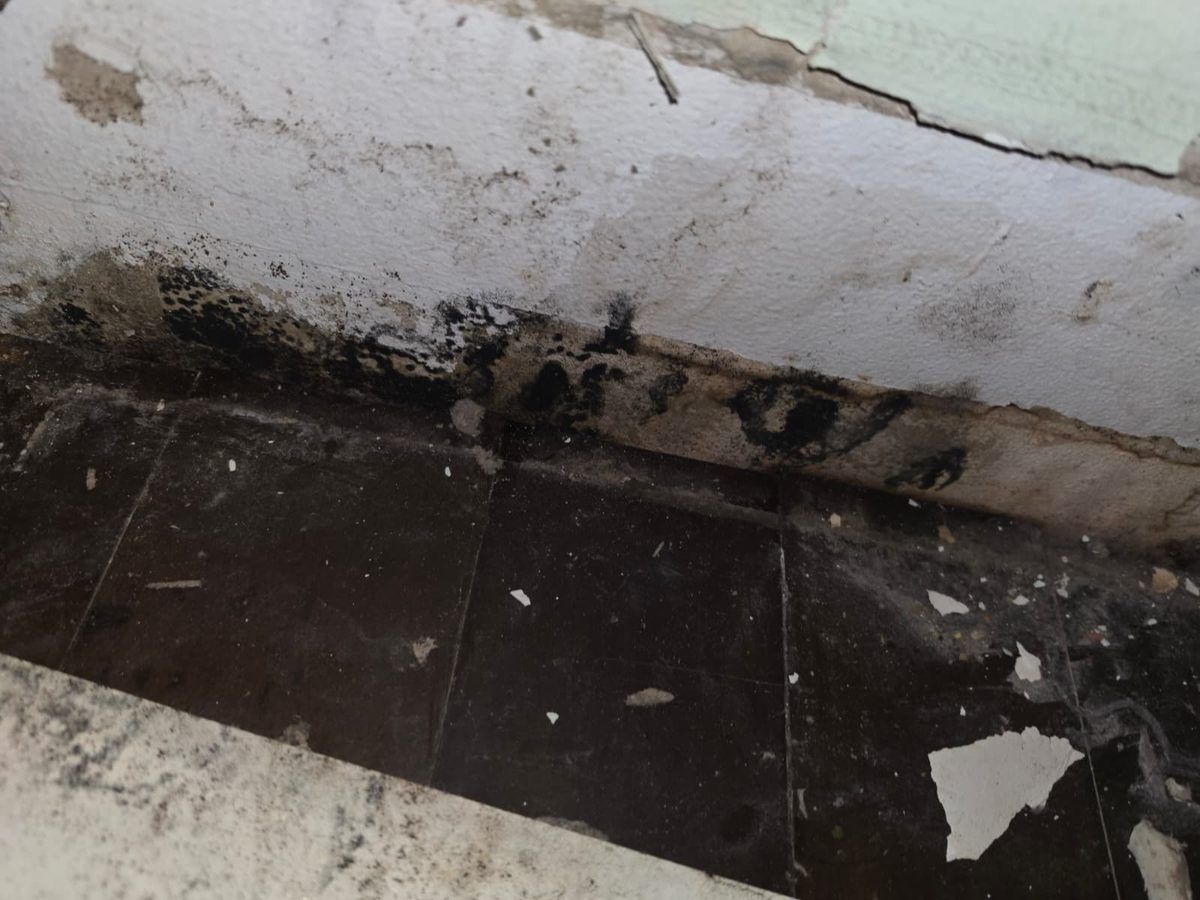
Black mold is not a species or a specific kind of mold. It is media shorthand for molds that may produce mycotoxins, or specifically for Stachybotrys chartarum.
Molds come in many colors, including white. Color alone does not identify mold or its risk.
What to do instead of naming it
Because color does not identify a mold, CDC says it is not necessary to determine the type. All molds should be treated the same with respect to potential health risks and removal.
Remove the growth and fix the moisture that feeds it.
- Color alone does not identify a mold or its risk.
- Mold in a building does not prove mycotoxins are present.
- Turn off a heating or cooling system you know or suspect is contaminated.
Common situations
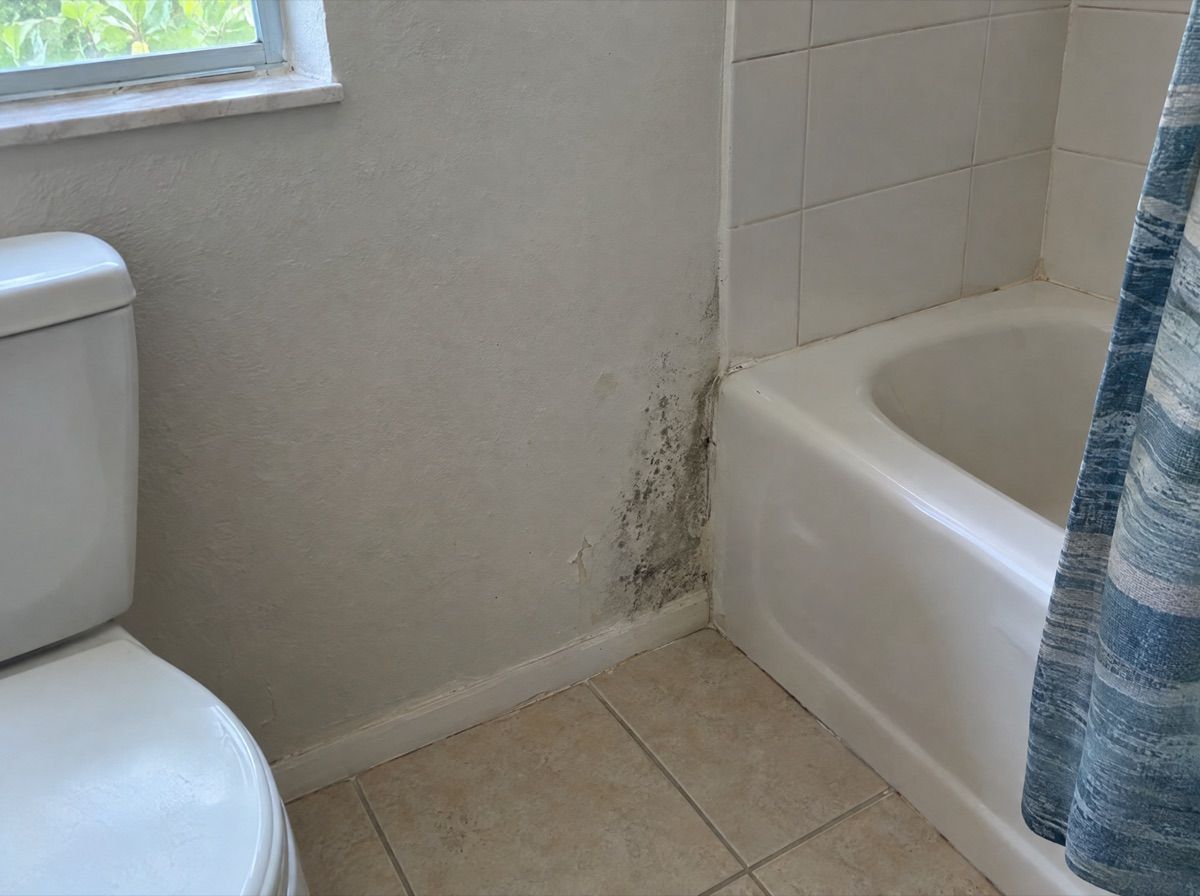
Dark growth in a bathroom or on a wall
Mold often appears as cottony, velvety, rough or leathery growth, or as a stain or fuzzy patch.
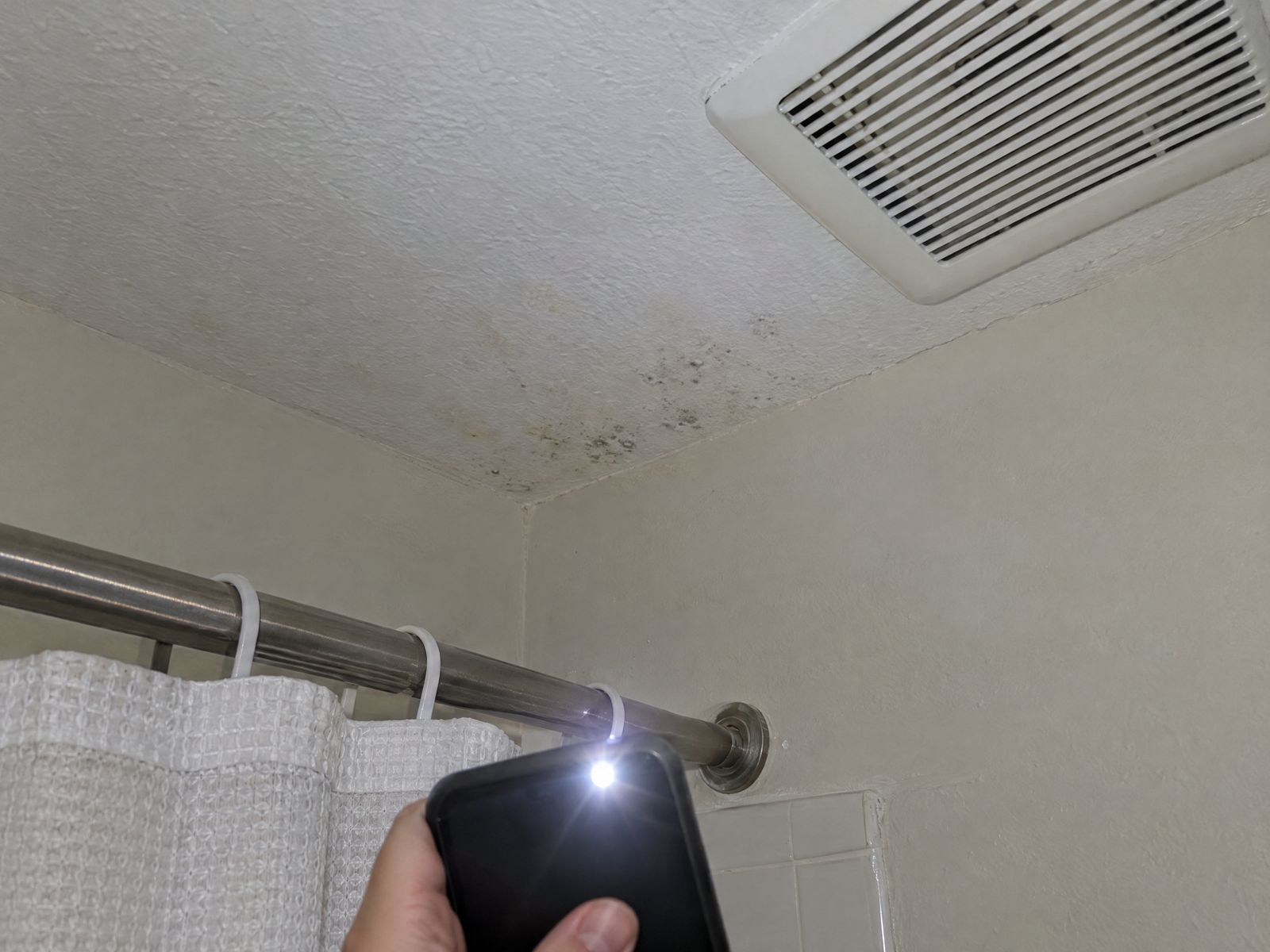
A patch that looks black
Color alone does not identify mold or its risk.
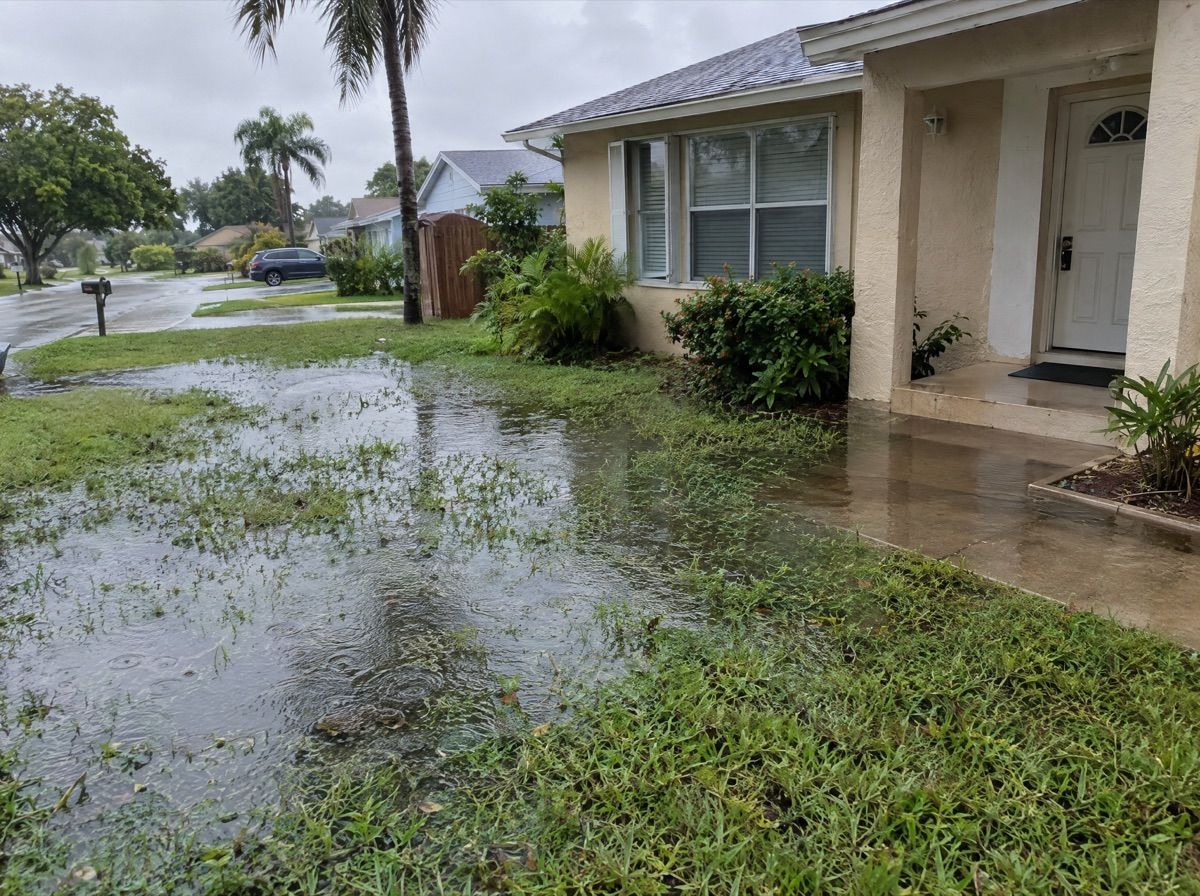
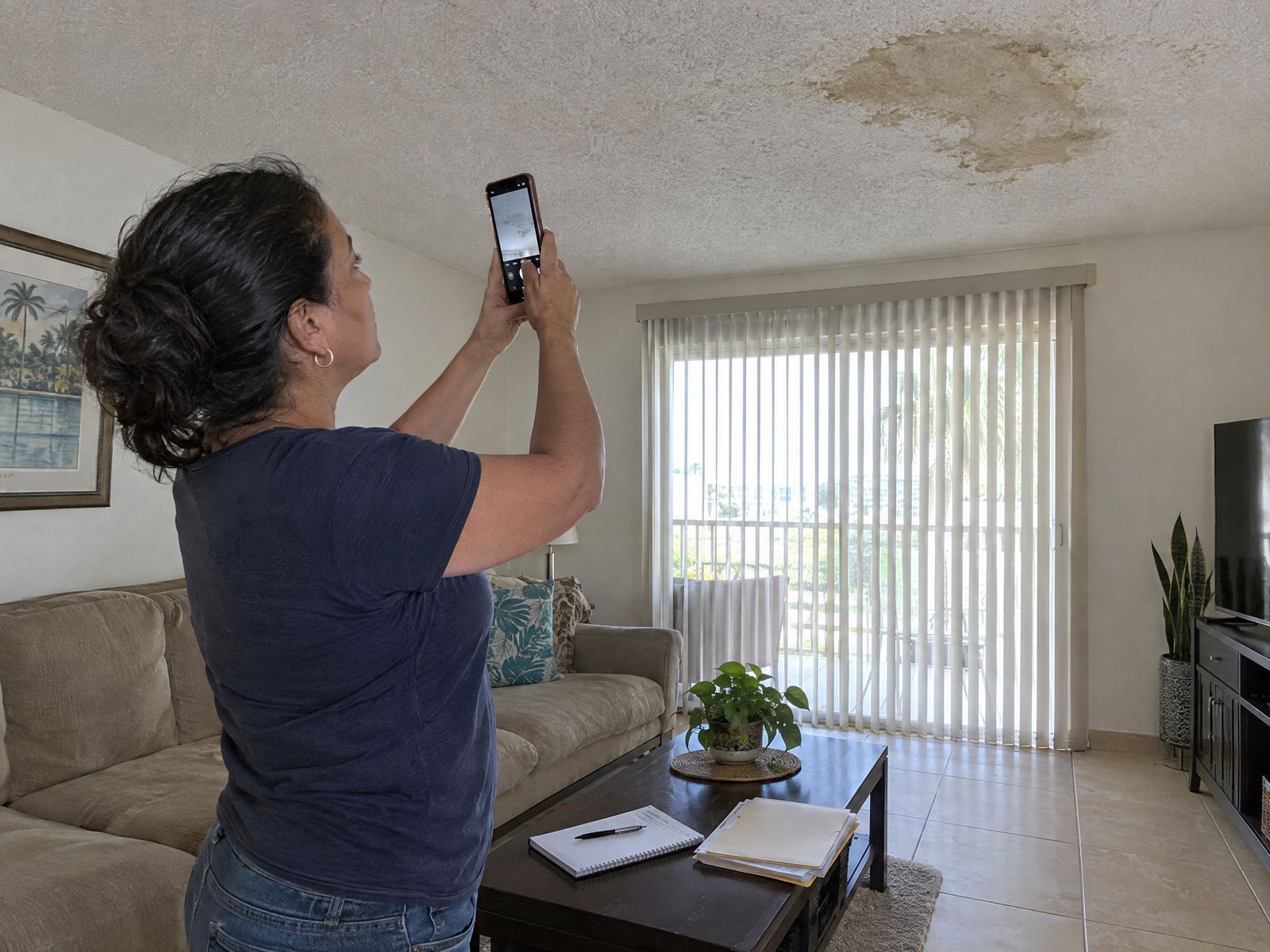
Growth after a leak or a flood
All molds should be treated the same with respect to potential health risks and removal.

In its guidance for the aftermath of major hurricanes and floods, CDC says undisturbed mold is not a substantial health hazard for the majority of people. Visible growth should still be removed and the moisture source fixed. If you have health concerns, talk to your doctor.
Guides in this section

Common questions
Black mold after a hurricane: what now?
Do not try to identify it; treat it as mold. Agencies say all molds should be handled the same for health risk and removal, and after a flood the practical question is how much was wet and for how long. If mold has already started growing, do not use fans, because they can spread spores. Wear protective gear, remove wet porous materials, and if the water was contaminated, call a professional experienced in contaminated-water remediation.
Sources
- U.S. EPA Mold course chapter 1Accessed 2026-09-26
- CDCAccessed 2026-09-26
- U.S. EPA Mold remediation schools and commercial buildings guide appendix bAccessed 2026-09-26
- U.S. EPA Mold cleanup your homeAccessed 2026-09-26
- Florida Department of Health MoldAccessed 2026-09-26
- CDC Rr5508a1Accessed 2026-09-26
- CDC Guide to mold cleanupAccessed 2026-09-26