
Basics
Why is there mold in my house?
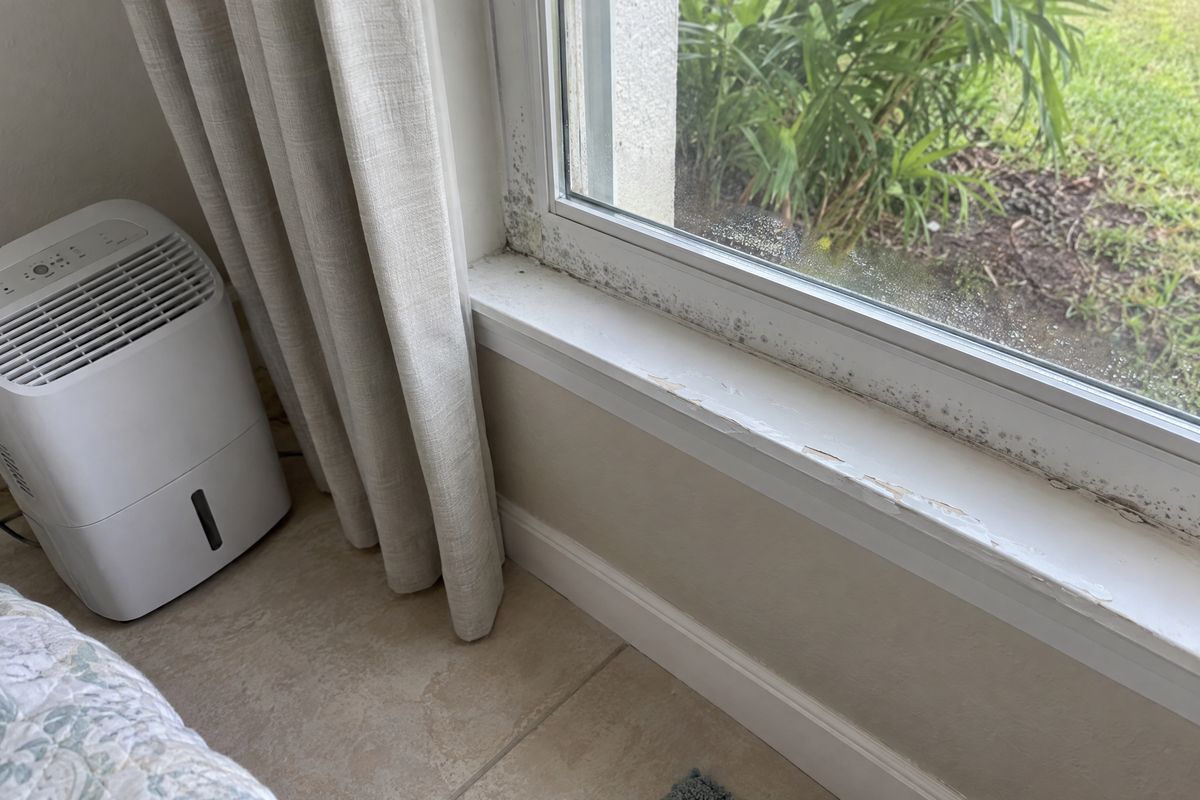
Mold grows when a surface stays wet. In South Florida, the usual causes are leaks, condensation, air conditioning moisture and high humidity.
How we work

English or Spanish
One call, in your language.

One point of contact
No searching. No lists of companies.

Independent assessment
By a licensed assessor you hire and pay directly.

Licensed remediation
We sell it; a Florida-licensed remediator performs it on our behalf.
Why mold appears indoors
The key to mold control is moisture control. Fix the water source, dry the area and keep humidity down.
In Florida, moisture comes from roof, wall, floor and plumbing leaks, air handler condensate and drain pans, condensation on cold surfaces, flooding and storm surge, and poor venting of kitchen and bathroom moisture.
The water you can see and the water you cannot
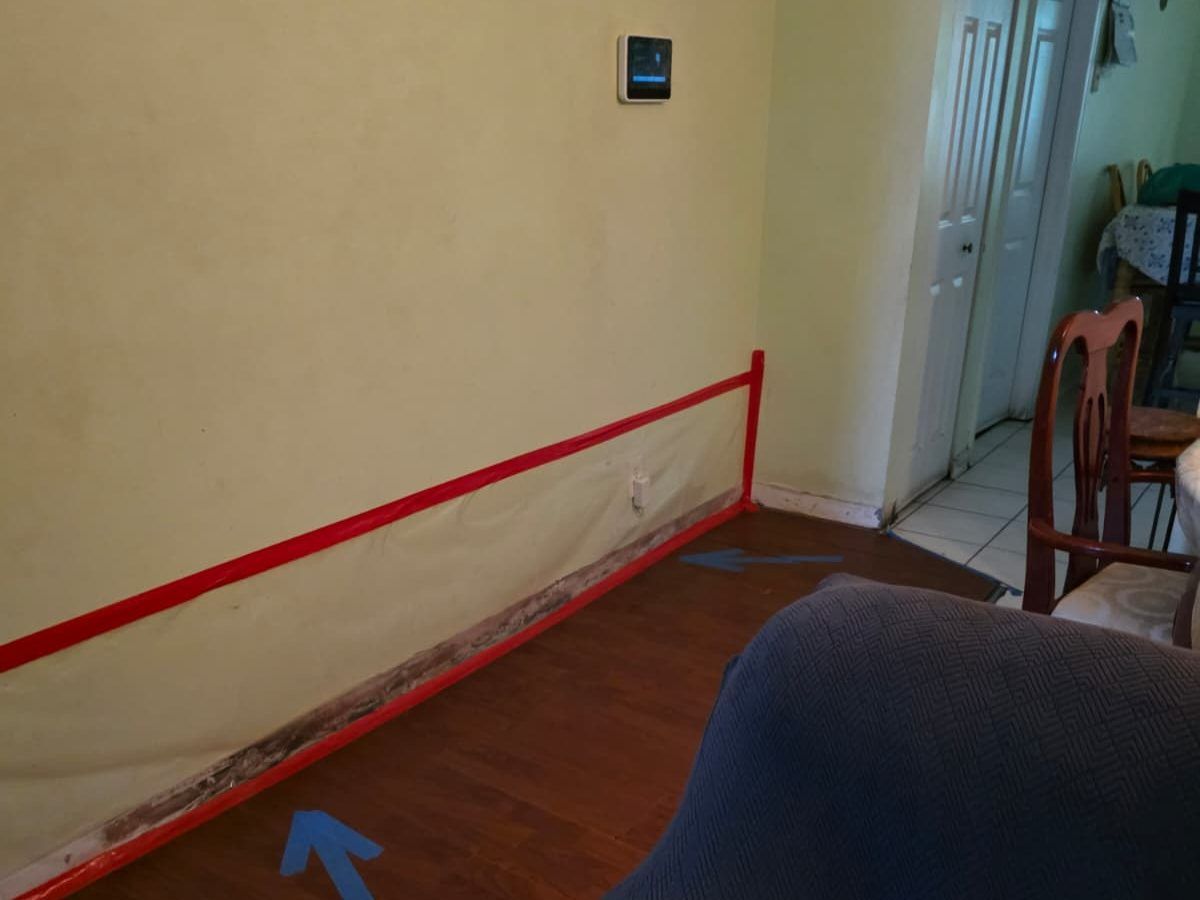
Not every moisture source is a visible puddle. Roof, wall, floor and plumbing leaks, air handler condensate, condensation on cold surfaces and storm water all keep materials wet.
Closets and closed rooms are easy to miss because they often get no conditioned air.
- Fix the water source before cleaning growth, or the growth can return.
- Closets are rarely supplied with conditioned air, so mold and mildew are not uncommon there, especially on leather.
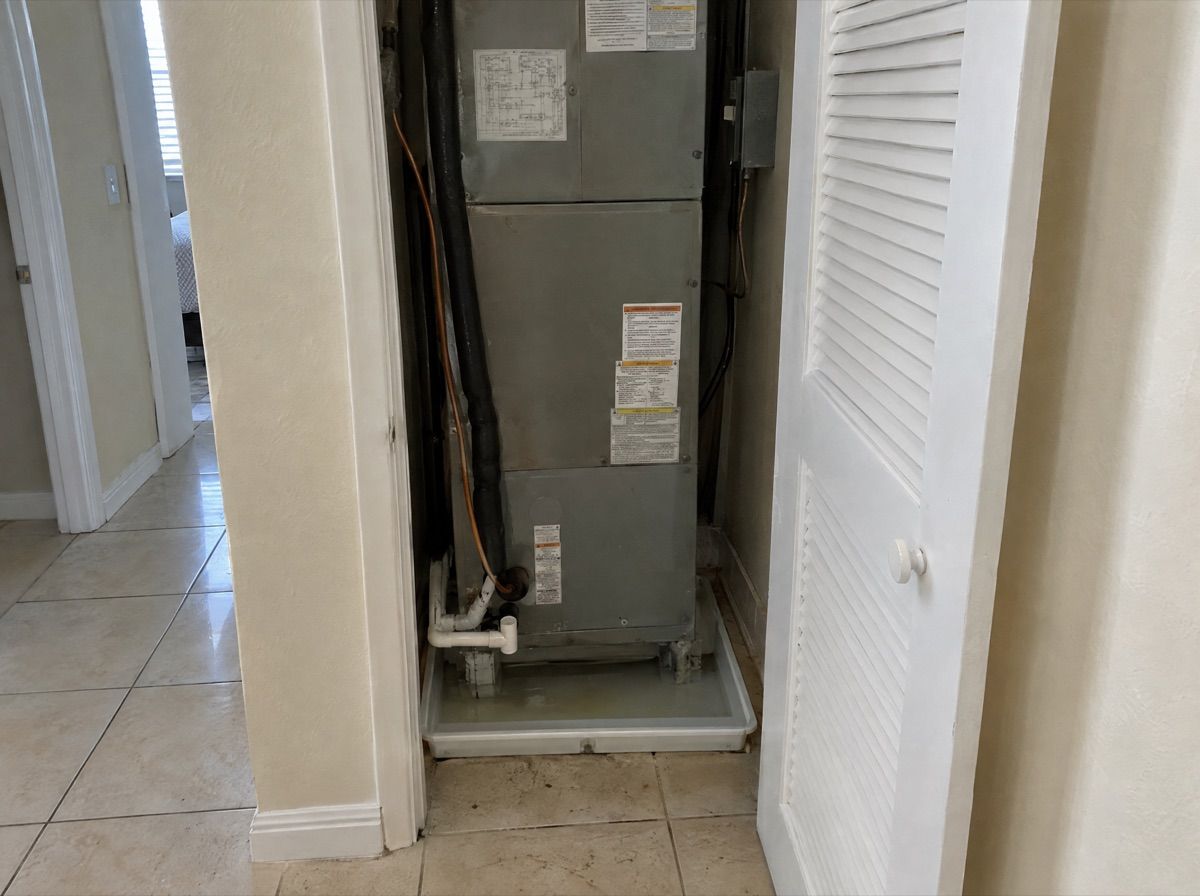
- A condensate drain pan inside an air handling unit can be a hidden mold site.
Common situations
A leak or a stain that keeps returning
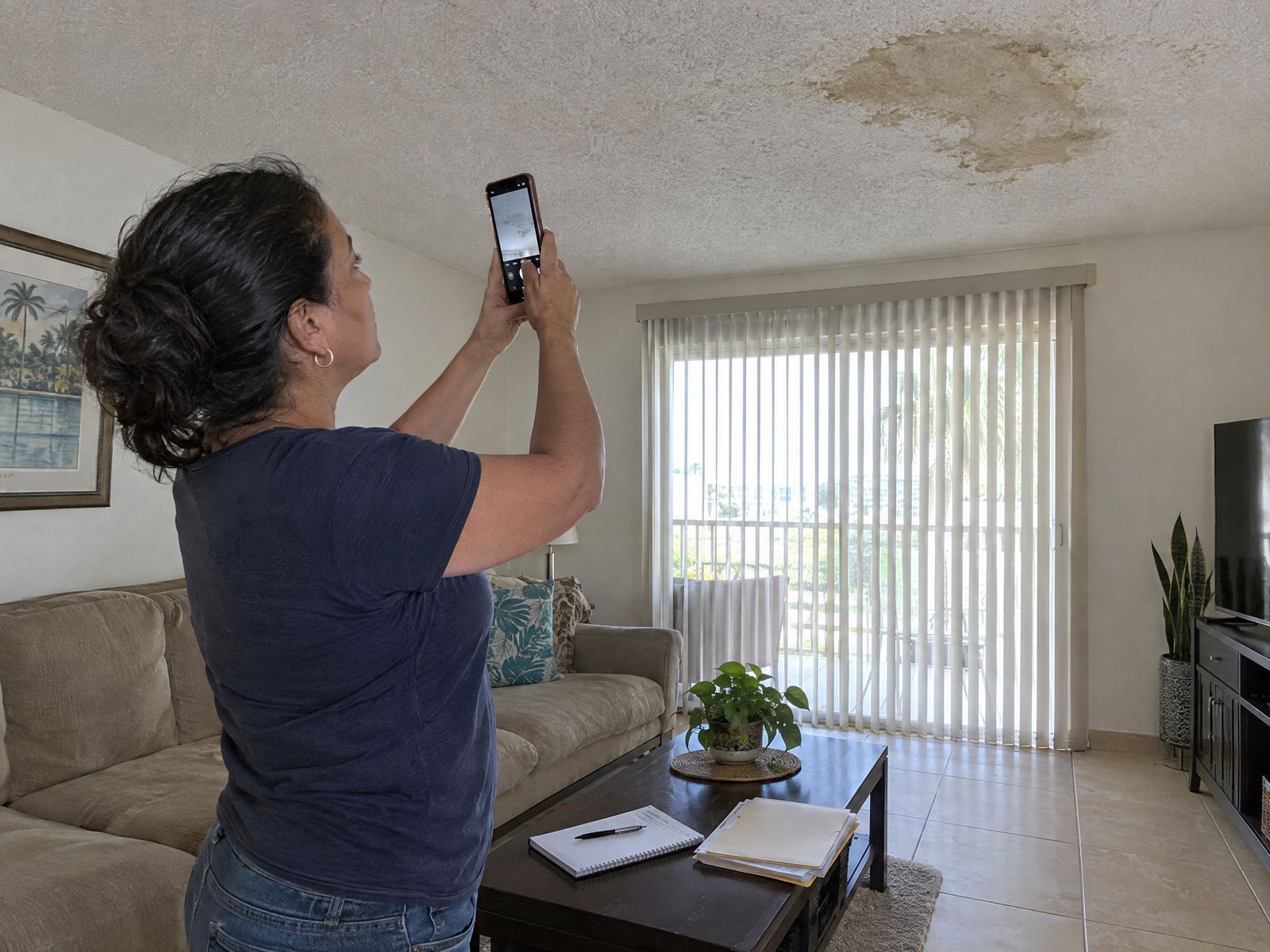
Roof, wall, floor and plumbing leaks are common moisture sources.
Water around the air handler
A condensate drain pan inside an air handling unit can be a hidden mold site.
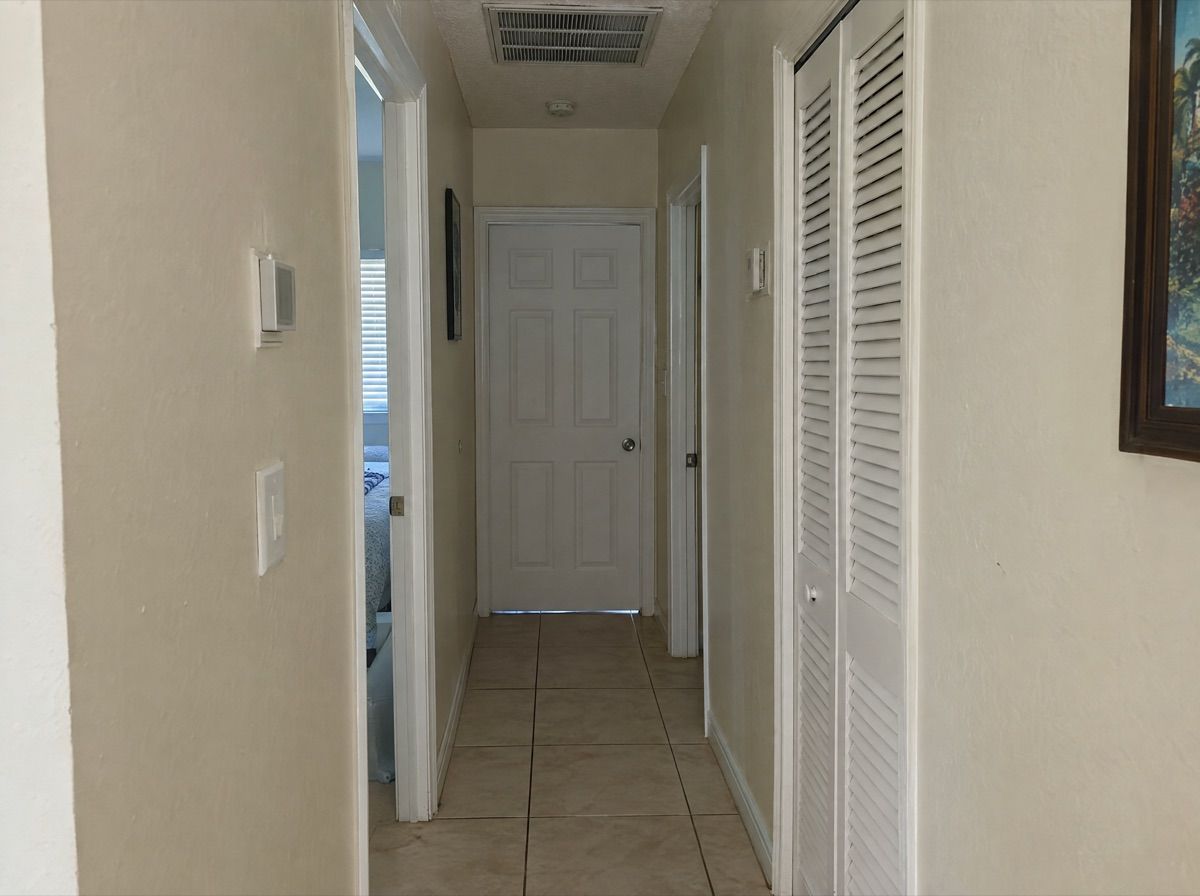
A closet or a closed room
Closets are rarely supplied with conditioned air, so mold and mildew are not uncommon there, especially on leather.

After a flood, dry the home and belongings as quickly as possible. CDC says that if a flooded home, including furniture and belongings, could not be dried within 24 to 48 hours, you should assume there is mold growth.
Guides in this section

Common questions
What does mold smell like?
A musty or damp odor can indicate mold or another moisture problem, even when growth is not visible. Mold releases spores into the air, and mold can grow on damp materials. CDC/NIOSH treats musty odors and visual inspection as more reliable than air sampling. If a room smells musty, look for leaks, standing water, water stains and condensation, and check the areas you cannot see, such as behind drywall and under carpet.
Mold smell in the house but no visible mold?
Trust the smell and go looking for moisture. Indoor mold growth can usually be seen or smelled, and in most cases the presence of visible growth or a musty odor is enough to act on without sampling. Check behind and under furniture, inside closets and cabinets, around AC air handlers and drain pans, under sinks, and along exterior walls. A moisture meter may help identify elevated moisture in building materials. Fix the source, dry the area and clean any growth you find.
Can mold hide behind vinyl wall covering?
Yes. Impermeable vinyl wall covering over gypsum board can trap moisture and cause hidden mold in hot-humid climates, and it often shows as pinkish-to-yellowish staining on the vinyl while the gypsum board behind it becomes soft or mushy. Florida also sees hidden growth where humid outdoor air is pulled into slightly depressurized wall cavities and condenses on the cold interior surface. If vinyl-covered walls stain or the drywall feels soft, treat it as a moisture investigation.
Why does my house smell musty after it rains?
Rain exposes a path that may already exist: a roof or window leak, a crack in the building envelope, or water running toward the foundation instead of away from it. If you notice a musty odor after rain, check for leaks and damp materials, including hidden areas. EPA advises fixing building-envelope leaks as soon as possible and watching for condensation and wet spots, plus cleaning gutters and grading the ground away from the foundation. Trace the water before cleaning anything.
Can mold grow under carpet?
Yes. Hidden mold may be on the underside of carpets and pads, which stay wet long after the surface feels dry. Porous moldy materials such as carpet may have to be thrown away because mold grows into crevices and can be hard or impossible to remove completely. EPA recommends drying carpet and backing within 24 to 48 hours using water extraction, dehumidification and fans. If the material stayed wet longer, inspect it and determine whether it can be cleaned and dried thoroughly; the missed window alone does not decide whether it must be replaced.
Sources
- U.S. EPA Brief guide mold moisture and your homeAccessed 2026-09-26
- Florida Department of Health MoldAccessed 2026-09-26
- U.S. EPA Mold remediation schools and commercial buildings guide chapter 3Accessed 2026-09-26
- energyresearch.ucf.edu Mold growthAccessed 2026-09-26
- CDC Guide to mold cleanupAccessed 2026-09-26
- CDCAccessed 2026-09-26
- U.S. EPA Mold course chapter 3Accessed 2026-09-26
- U.S. EPA Mold remediation schools and commercial buildings guide chapter 2Accessed 2026-09-26