
Testing
Mold testing and assessment in South Florida
A mold assessment is done by an independent licensed mold assessor you hire and pay directly. Here is what it covers and what sampling can and cannot tell you.
How we work

English or Spanish
One call, in your language.
One point of contact
No searching. No lists of companies.

Independent assessment
By a licensed assessor you hire and pay directly.
Licensed remediation
We sell it; a Florida-licensed remediator performs it on our behalf.
What a mold assessment is
Florida law defines a mold assessment as a process performed by a licensed mold assessor that includes physical sampling and a detailed evaluation of data from a building history and inspection, for mold growth of more than 10 square feet. The assessor is independent: you hire and pay the assessor directly.
EPA's general cleanup guidance says that in most cases, if visible mold growth is present, sampling is unnecessary. Florida DOH does not recommend testing to decide whether you have a problem or what kind is growing, and CDC does not recommend routine air sampling because there are no health-based standards. Sampling may still help when mold is suspected but hidden, or when you need to check whether a cleaned area was left clean. That guidance is about deciding what to clean up. It does not change Florida's definition of a mold assessment, which includes physical sampling.
When sampling is done, it should be designed by someone experienced in sampling protocols and read together with the moisture findings, not on its own.
What the assessment looks at
An assessment is not one test. It is a look at the building and at the water that feeds growth.
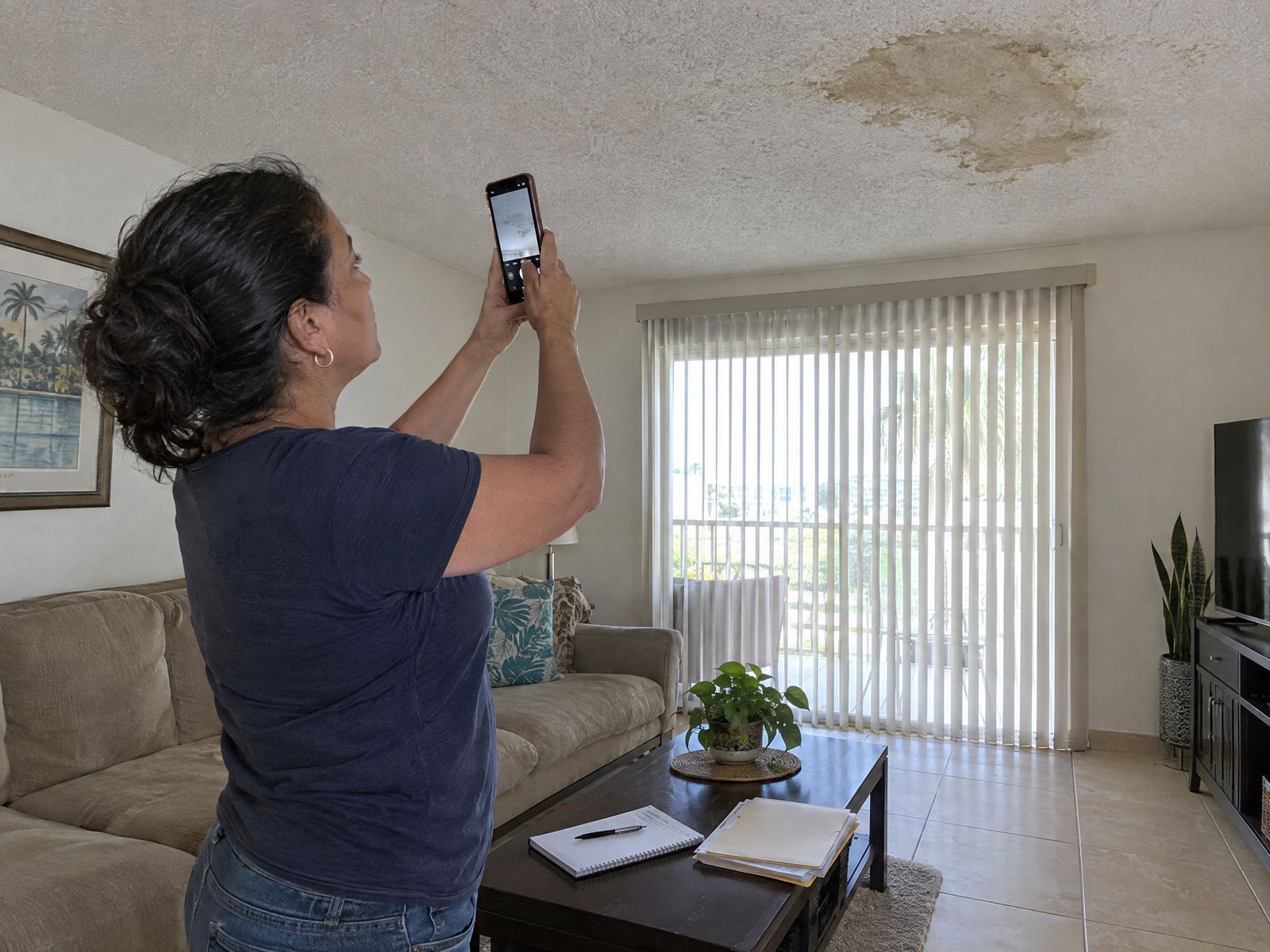
Visible growth and stains
EPA calls visible mold the most important sign of a problem. The next step is sizing the moldy area and finding the moisture behind it.
Moisture readings
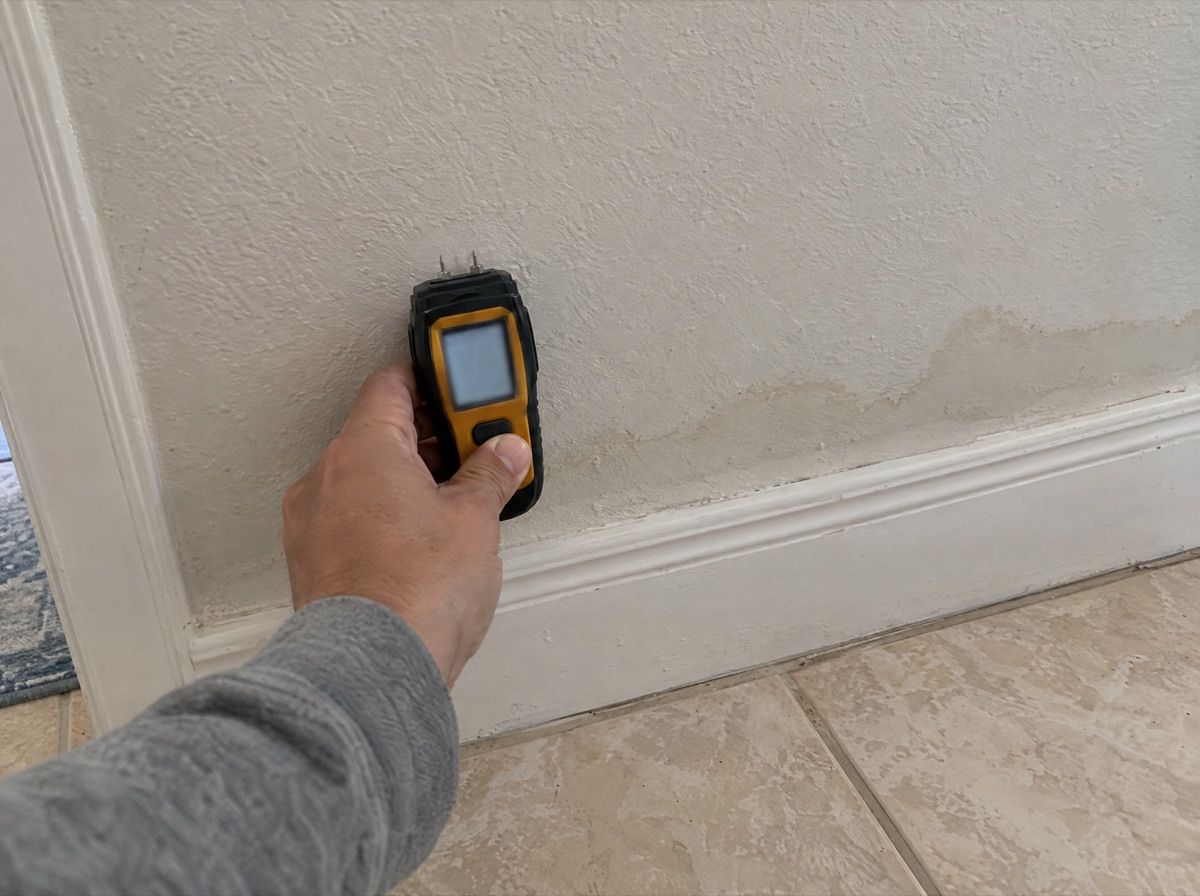
Moisture meters measure content in carpet, wallboard, wood, brick and concrete, and can help locate hidden wet areas.
Sampling
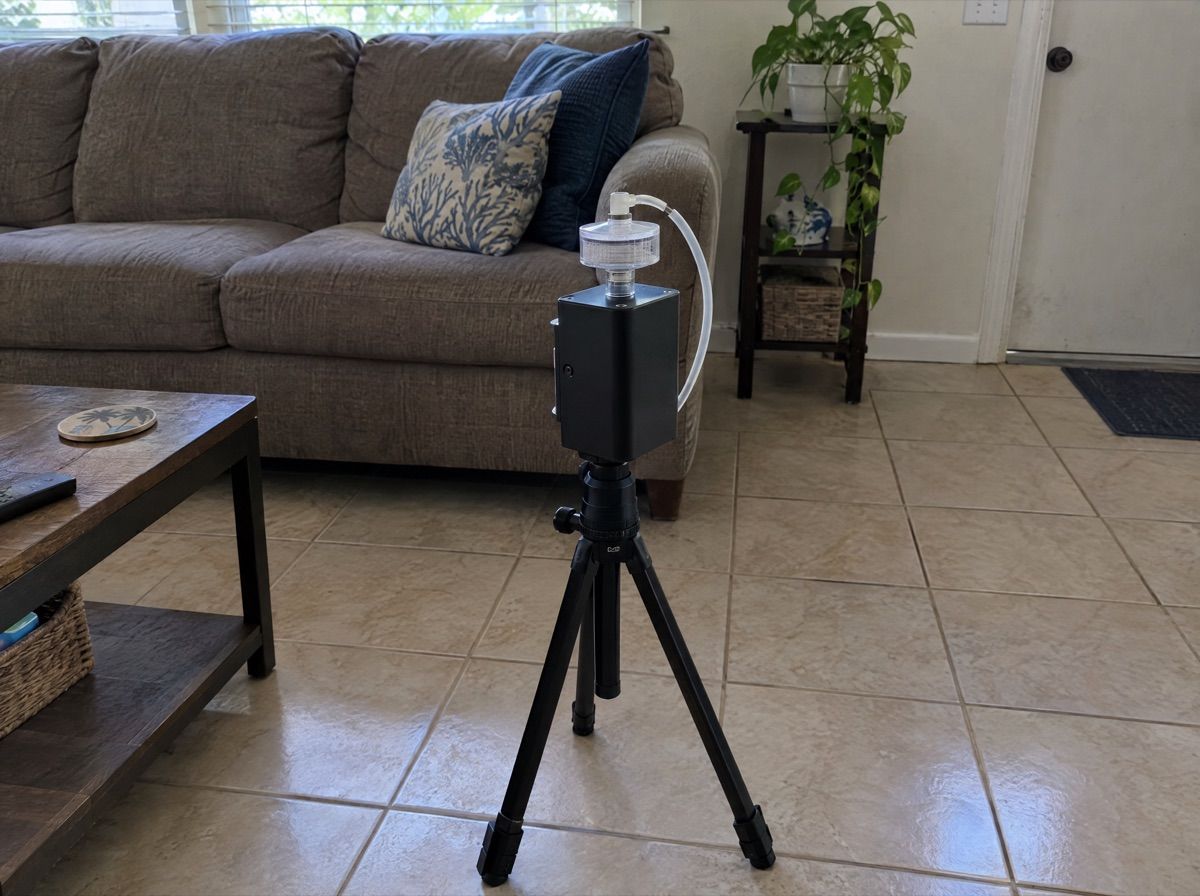
Air sampling is a snapshot of one moment. EPA lists leaving out outdoor control samples as a common sampling pitfall. Surface sampling may be useful to check whether an area was adequately cleaned.
Hidden areas
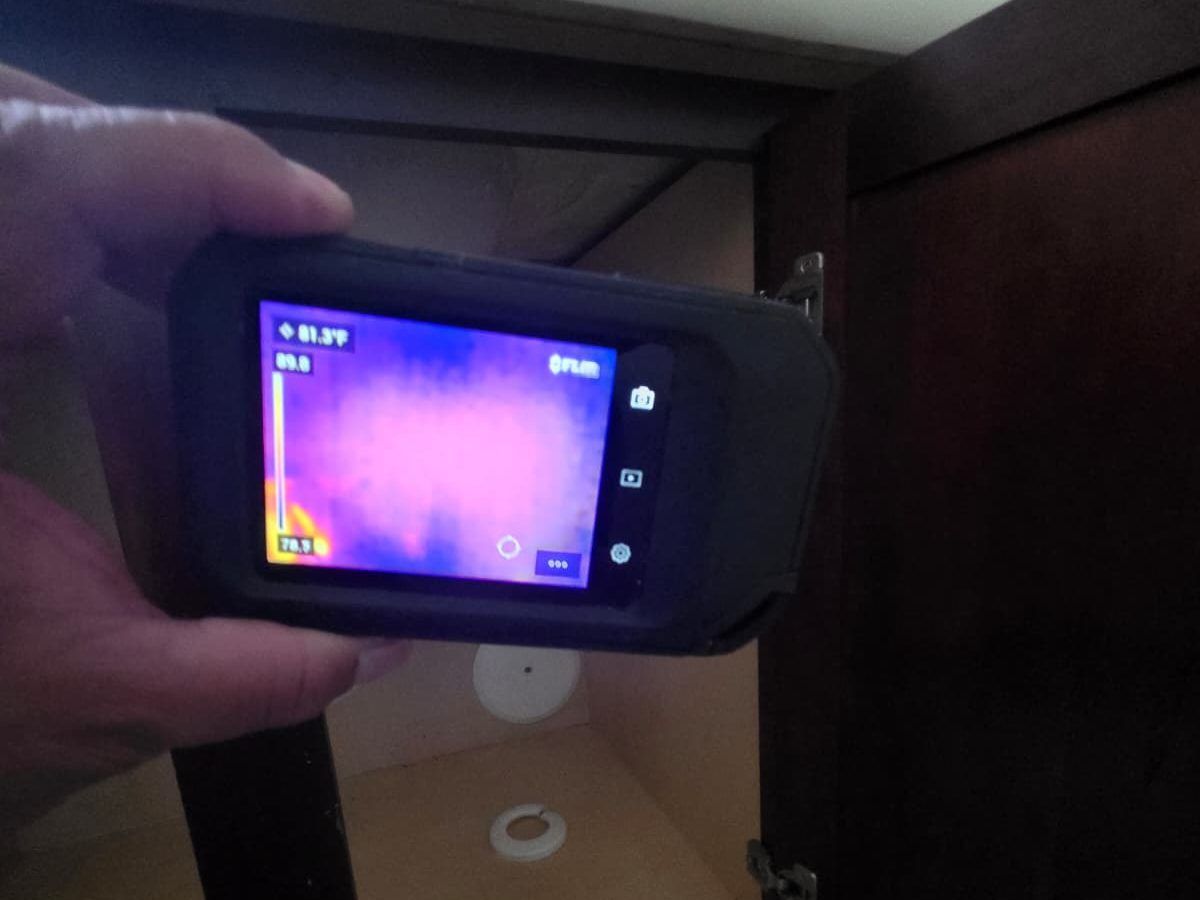
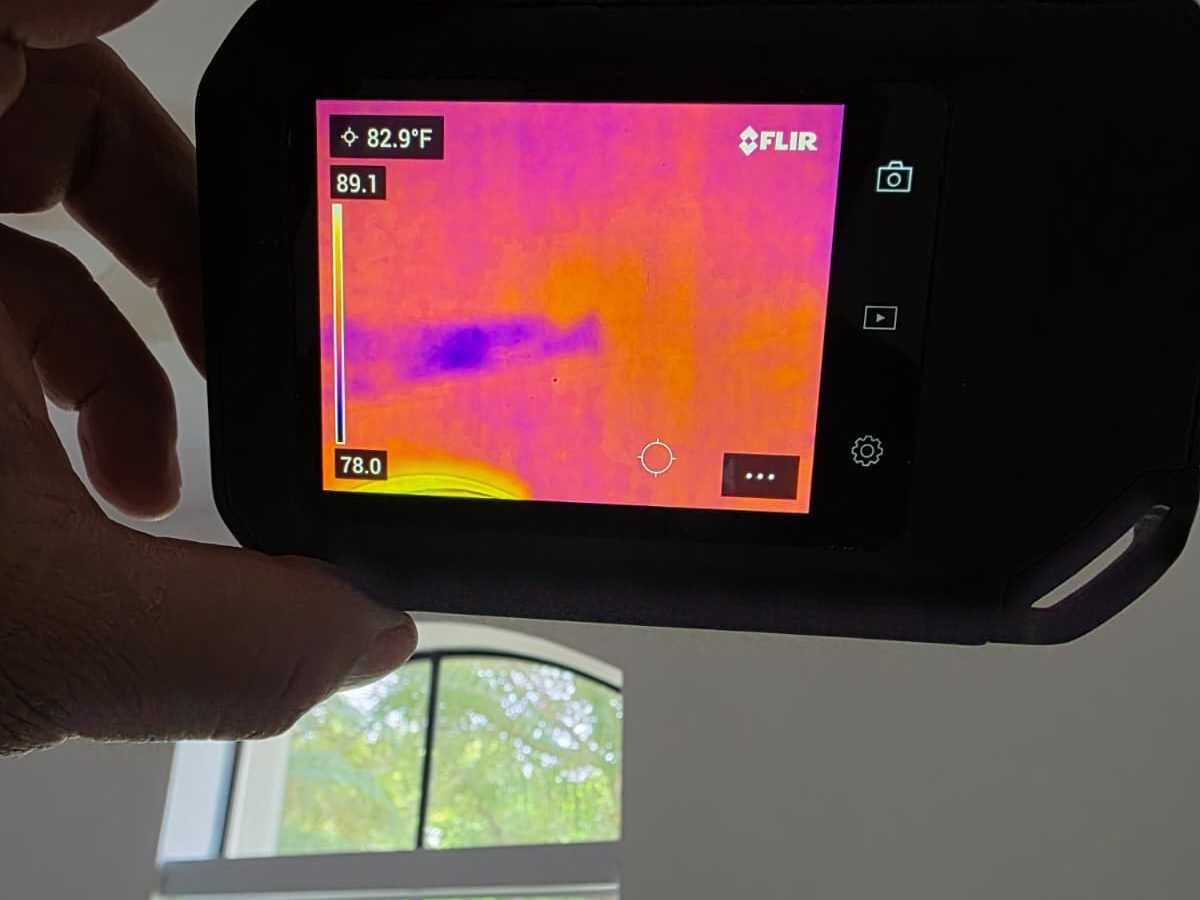
When mold is suspected but not visible, EPA notes that an investigation by an experienced professional may be warranted.
What sampling can and cannot tell you
EPA's general guidance says sampling is unnecessary in most cases when visible mold growth is present. That guidance does not change Florida's definition of a mold assessment, which includes physical sampling. What is sampled, and where, is the licensed assessor's decision.
Sampling may still help when growth is suspected but hidden, or to check whether a cleaned area was left clean.
- Air sampling is a snapshot of one moment. EPA lists leaving out outdoor control samples as a common sampling pitfall.
- Surface sampling may be useful to check whether an area was adequately cleaned.
- There are no health-based standards, so a result cannot tell you whether a level is safe.
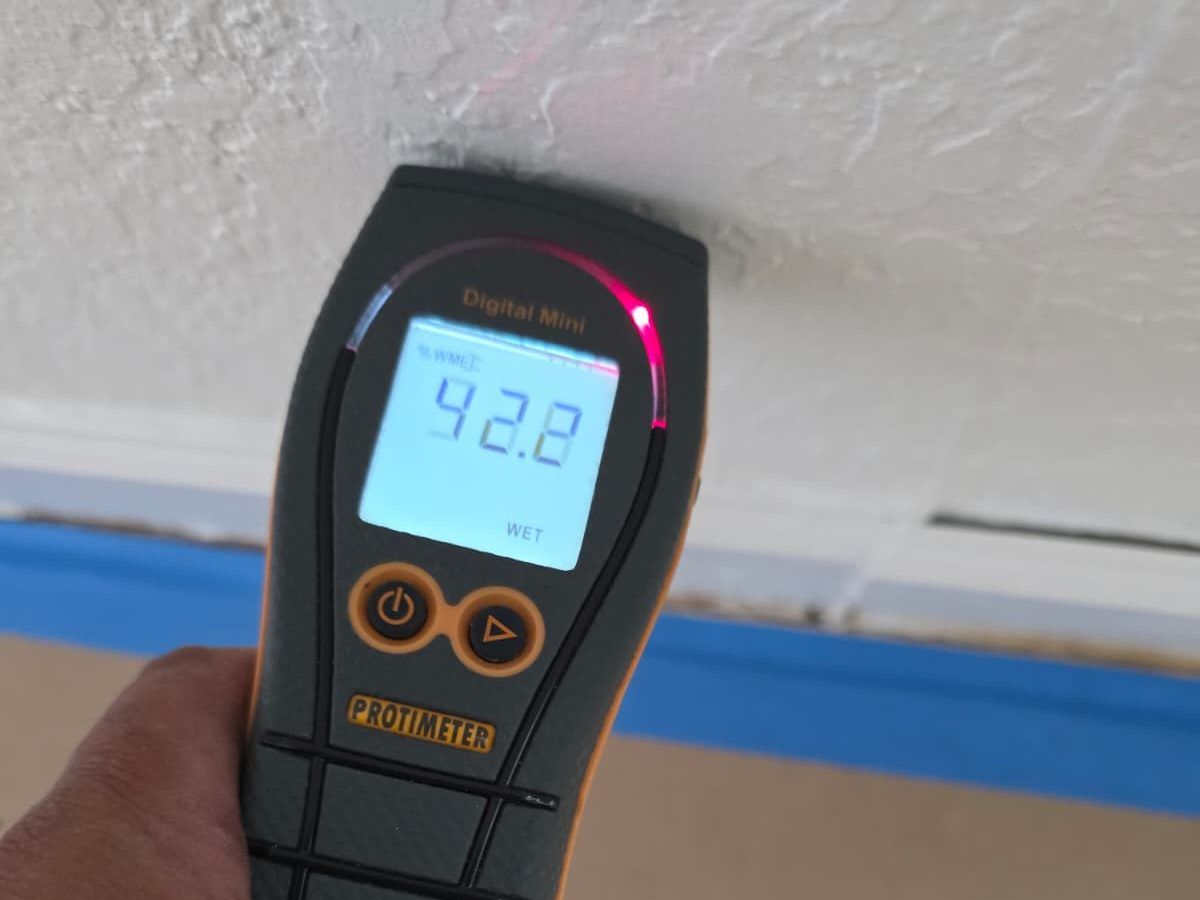
Measure the moisture, not only the mold
A useful assessment is mostly a hunt for water. Moisture meters measure content in carpet, wallboard, wood, brick and concrete, and they help locate hidden wet areas.
When mold is suspected but not visible, EPA notes that an investigation by an experienced professional may be warranted.
- Trace hidden wet areas with a moisture meter.
- Sampling should be designed and read by someone experienced with these methods.
- Remember that a sample is one moment in time, not a full picture.
How it works
One call starts the process. Here is the order.
Request a call
Tell us what you are seeing and when it started. We can talk in English or Spanish.
We visit and explain the process
Our staff makes a home visit, a visual walkthrough at no cost to you, and explains what happens next.
You hire an independent licensed assessor
The assessment is done by an independent licensed assessor you hire and pay directly. We help arrange it.
We sell remediation under our agreement
If remediation is needed, we sell it under our own agreement, and a mold remediator licensed in Florida performs the work on our behalf.

There are no health-based standards for mold sample results, so a result cannot tell you whether a level is safe.
Talk it through with us
Request a call. We will explain the process. The assessment is done by an independent licensed assessor you hire and pay directly, and if remediation is needed, we sell it under our agreement and a Florida-licensed remediator performs it on our behalf.
Common questions
Should I test my home for mold?
In most cases, no. EPA says that if visible mold growth is present, sampling is unnecessary. Florida DOH does not recommend mold testing to identify a problem or mold type. CDC/NIOSH does not recommend routine air sampling: there are no health-based standards, and short-term results cannot be interpreted as health risk. Investigate the moisture instead. Sampling may add information when mold is suspected but hidden, or when you need to check whether a cleaned area was left clean.
Is sampling for mold needed?
EPA's answer is that in most cases with visible mold, sampling is unnecessary. The most important sign of a problem is visible mold; after finding it, determine the size and extent of the moldy area and evaluate the moisture problem that allowed growth. CDC/NIOSH does not recommend routine air sampling, because measured concentrations cannot be interpreted in relation to health risks, and visual inspection plus musty odors are more reliable. Hidden-mold investigations are the main case for bringing in an experienced professional.
Do mold test kits work?
They are a weak substitute for an inspection. Air sampling is only a snapshot of the moment it was taken, results are hard for an inexperienced person to interpret, and you need outdoor control samples. If you cannot sample properly, it is better not to sample at all. A clear tape sample to a microbiology lab can tell you whether a substance is mold or just resembles it, but it will not tell you whether your home is safe.
Air sample or surface swab: which tells you more?
They answer different questions. Air sampling is a snapshot of that moment, and EPA lists leaving out outdoor control samples as a sampling pitfall; an air sample does not tell you where the source is. Surface sampling may help determine whether an area has been adequately cleaned or remediated. Sample types include air, surface, bulk and water samples, each with its own limits. Sampling should be designed by someone experienced in protocols and interpreted with the moisture findings, not on its own.
What tools should I use to find moisture and humidity?
Two inexpensive tools do most of the work. A moisture meter measures moisture content in carpet, wallboard, wood, brick and concrete, and helps locate hidden wet areas and monitor drying. An inexpensive humidity meter, about $10 to $50, tracks indoor relative humidity against the below-60% target. Two cautions: mechanical hygrometers can be off by more than 20% and should be calibrated, and moisture meter pins can break if pushed in too hard.
Sources
- Florida StatutesAccessed 2026-09-26
- U.S. EPA Samplingtesting mold necessaryAccessed 2026-09-26
- U.S. EPA Mold course chapter 3Accessed 2026-09-26
- U.S. EPA Mold remediation schools and commercial buildings guide chapter 3Accessed 2026-09-26
- U.S. EPA Mold testing or samplingAccessed 2026-09-26
- Florida Department of Health MoldAccessed 2026-09-26
- CDCAccessed 2026-09-26
- CDCAccessed 2026-09-26
- U.S. EPA Should you have air ducts your home cleanedAccessed 2026-09-26
- U.S. EPA Brief guide mold moisture and your homeAccessed 2026-09-26
- UF/IFAS Check indoor humidityAccessed 2026-09-26