
Basics
What is mold?
It is a fungus that grows on damp surfaces. Indoors, growth starts when a surface stays wet long enough, whatever the type.
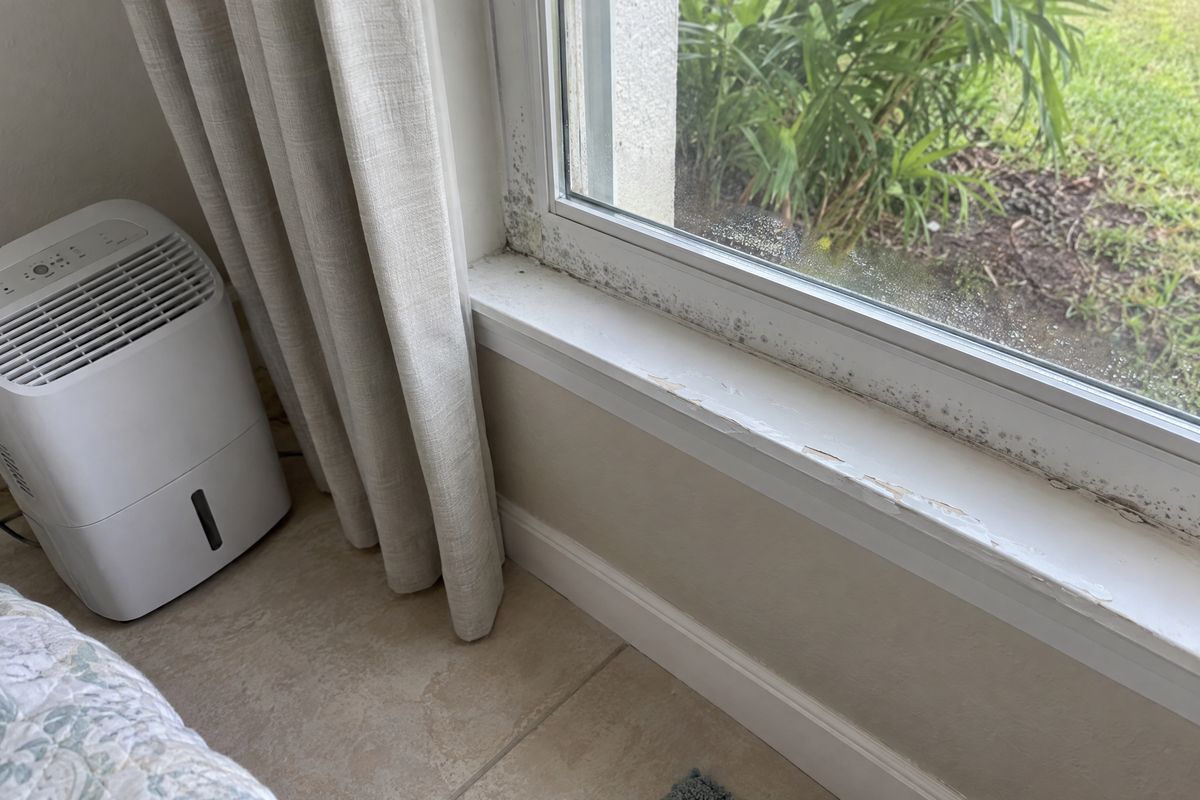
What mold is
Mold is a fungus that grows on damp surfaces. It is present in outdoor air, and the problem starts indoors when a surface stays wet long enough for growth.
The most common indoor molds are Cladosporium, Penicillium and Aspergillus. Molds produce allergens, irritants and, in some cases, mycotoxins.
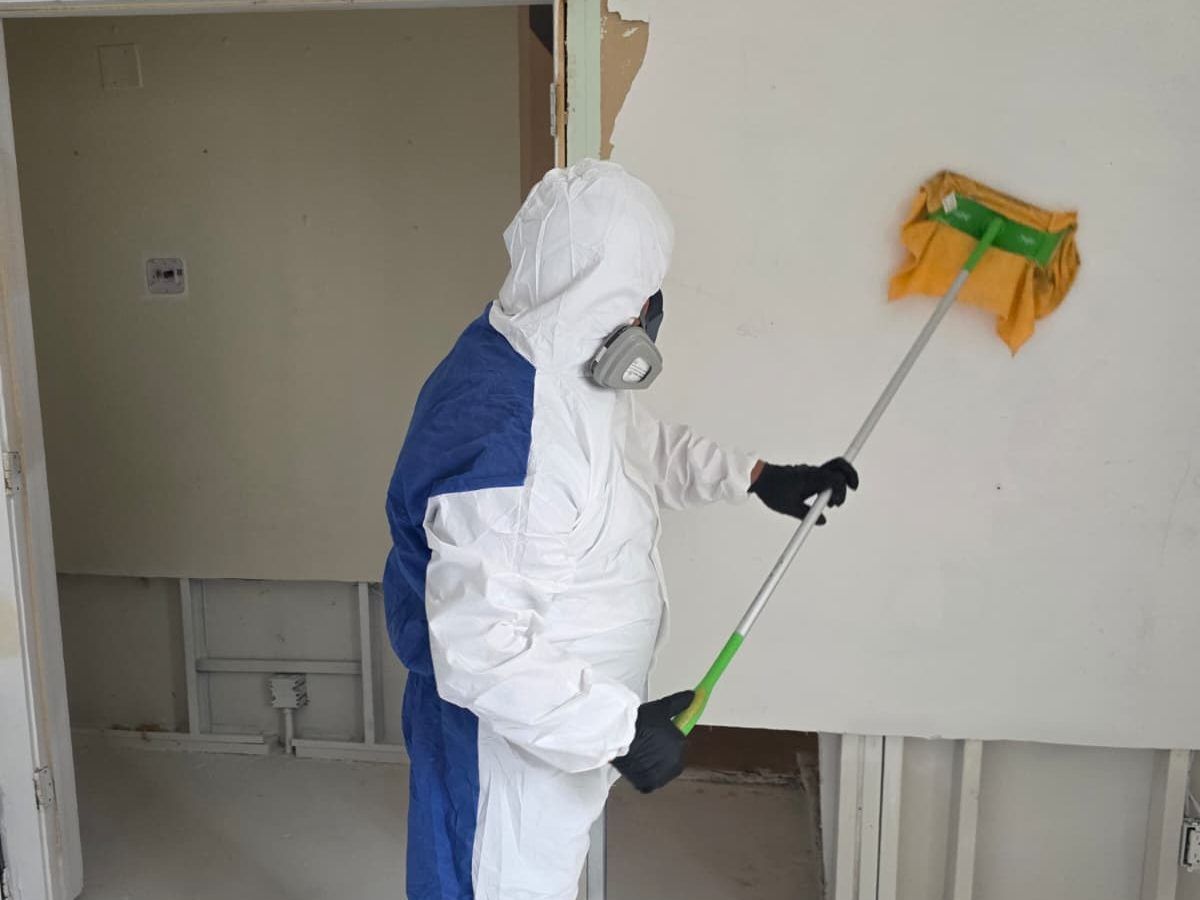
Find the moisture first
Mold is a fungus that grows on damp surfaces. The same small group of molds turns up most often indoors, and the fix does not change with the name.
Health agencies say you do not need to identify the species. Find the moisture, remove the growth, and dry the area.
- Mold can grow on almost anything that stays damp, including concrete and brick, where it feeds on dust and organic residue.
- Wipe or scrub non-porous hard surfaces with water or water and detergent, then dry them quickly and thoroughly.
- Wet porous materials such as ceiling tiles and carpet may have to be thrown away.
Common indoor molds
Most indoor growth falls into a small group of molds.

Cladosporium, Penicillium and Aspergillus
These three are the molds most often found indoors.

Stachybotrys chartarum
A greenish-black mold that grows on high-cellulose material such as fiberboard, gypsum board and paper, and needs constant moisture.

Aspergillus versicolor
Some molds, including Aspergillus versicolor, can produce potent toxins under certain circumstances.
What to do and what not to do
What to do
- Wipe or scrub non-porous hard surfaces with water or water and detergent, then dry them quickly and thoroughly.
- Wet porous materials such as ceiling tiles and carpet may have to be thrown away when they cannot be cleaned completely.
- Correct the moisture that let the growth start, so it does not return.
What not to do
- Do not rely on color. Black mold is not a species, and color alone does not identify a mold or its risk.
- Do not clean the visible growth and leave the water problem in place.
- Do not keep wet porous material that has already started to grow.

A home visit is a visual walkthrough, not an assessment. Only an independent licensed assessor performs an assessment, and the homeowner hires and pays that assessor directly. If remediation is needed, we sell it under our agreement and a Florida-licensed remediator performs it on our behalf.
Talk it through with us
Request a call. We will explain the process. The assessment is done by an independent licensed assessor you hire and pay directly, and if remediation is needed, we sell it under our agreement and a Florida-licensed remediator performs it on our behalf.
Common questions
What is mold?
Mold is a kind of fungus that grows on damp surfaces. The most common indoor molds are Cladosporium, Penicillium and Aspergillus. Mold is everywhere in outdoor air; the problem starts indoors when a surface stays wet long enough for growth. Molds produce allergens, irritants and, in some cases, mycotoxins. Because the fix is the same for every type, health agencies say you do not need to identify the species. Find the moisture, remove the growth, and dry the area.
What are the most common indoor molds in Florida?
Cladosporium, Penicillium and Aspergillus are the molds most often found indoors. Stachybotrys chartarum is a greenish-black mold that grows on high-cellulose material such as fiberboard, gypsum board and paper, and it needs constant moisture. Any of them can grow in a Florida home when a leak, condensation or high humidity keeps a surface wet. The removal method does not depend on the name of the mold.
What is Stachybotrys chartarum?
Stachybotrys chartarum is a greenish-black mold known to produce potent toxins, and it is commonly found in moisture-damaged buildings. It grows on high-cellulose material such as fiberboard, gypsum board and paper. It requires constant moisture to grow. An unproven association with infant pulmonary hemorrhage has been discussed, but CDC published a clarification that the link was not established. Treat it as you would any indoor mold: remove it and fix the moisture.
Can mold grow on concrete?
Mold can grow on almost anything that stays damp enough, including concrete and brick, though it feeds on dust, dirt and organic residue rather than the concrete itself. EPA notes that alkaline crystals on soil or concrete walls can look like mold and are not, so confirm before treating it. If it is growth, wipe or scrub non-porous hard surfaces with water or water and detergent, then dry quickly and thoroughly, and fix the moisture that started it.
Sources
- CDC AboutAccessed 2026-09-26
- U.S. EPA Brief guide mold moisture and your homeAccessed 2026-09-26
- U.S. EPA Mold course chapter 1Accessed 2026-09-26
- U.S. EPA Mold remediation schools and commercial buildings guide chapter 3Accessed 2026-09-26
- U.S. EPA Mold remediation schools and commercial buildings guide appendix bAccessed 2026-09-26
- CDCAccessed 2026-09-26

Reviewed by Othmar 2026-10-05: "Approve all launch pages for production" (2026-10-01)