
Remediation
How mold remediation works in South Florida
Remediation removes mold growth and fixes the moisture that feeds it. Our company sells remediation, and a licensed remediator performs the work on our behalf.
How we work

English or Spanish
One call, in your language.

One point of contact
No searching. No lists of companies.

Independent assessment
By a licensed assessor you hire and pay directly.
Licensed remediation
We sell it; a Florida-licensed remediator performs it on our behalf.
What remediation does
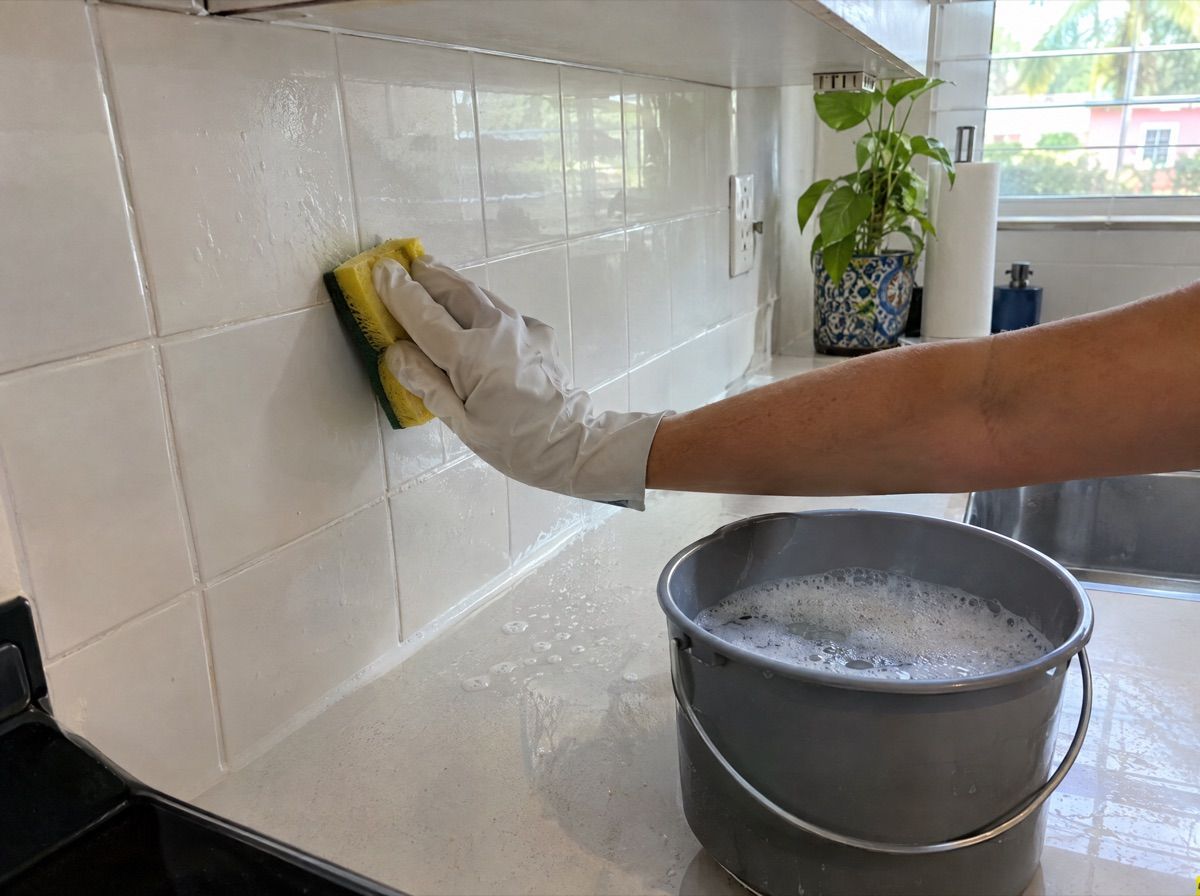
Remediation means two things together: remove the mold growth and fix the moisture that allowed it. EPA says mold can generally be removed from non-porous hard surfaces by wiping or scrubbing with water or water and detergent, then drying quickly and thoroughly.
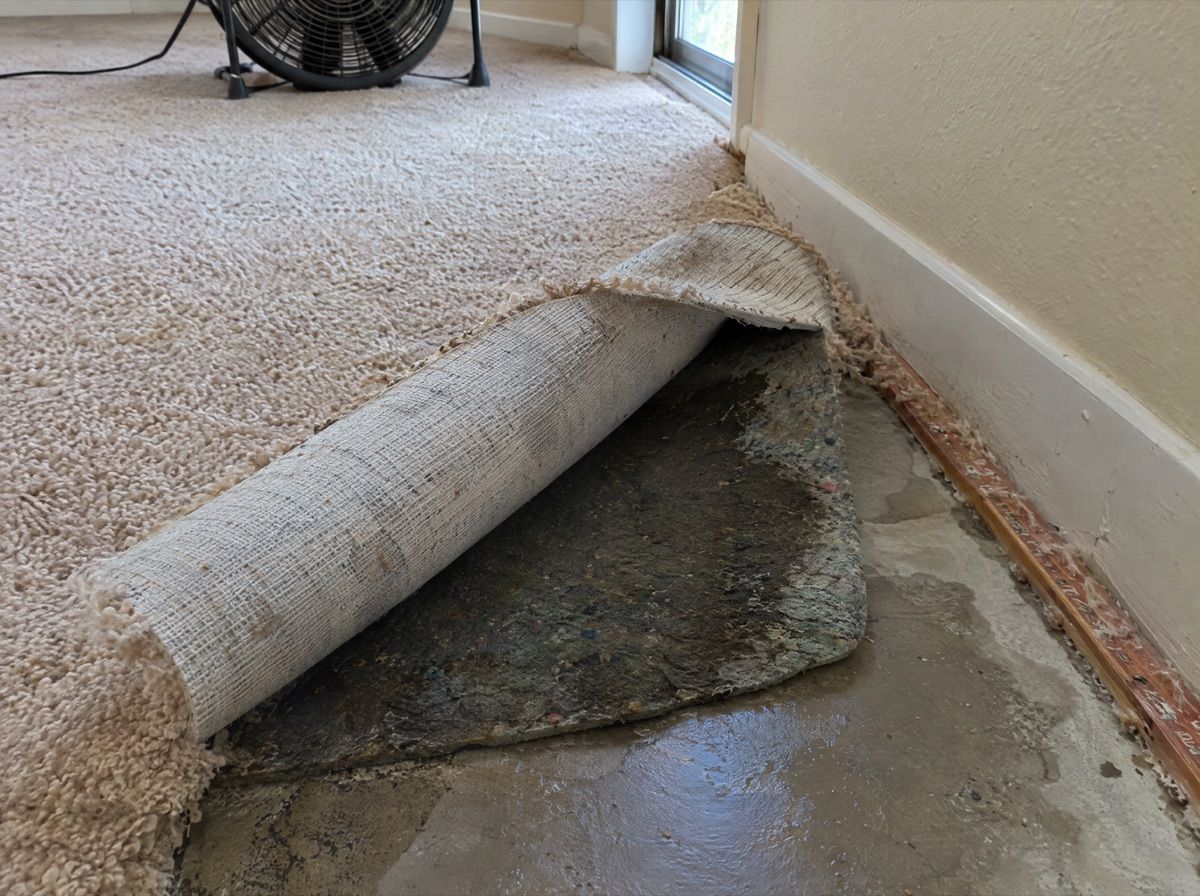
Porous materials are different. Ceiling tiles, carpet and similar absorbent materials may have to be thrown away because mold grows into crevices and can be difficult or impossible to remove completely. Wet ceiling tiles, cellulose insulation and fiberglass insulation should be discarded and replaced.
The key to mold control is moisture control. Dry water-damaged areas and items within 24 to 48 hours. Dead mold can still cause allergic reactions, so it is not enough to kill mold; it must also be removed.
- 24 to 48 hours
- Window to dry water-damaged areas
- 10 to 100 sq ft
- EPA generally recommends limited containment
- Over 100 sq ft
- EPA generally recommends full containment
Where the work usually focuses
Every job starts with the water. These are the materials and systems that decide the scope.
Wet porous materials
Wet porous materials need material-specific handling. Carpet and backing should be dried within 24 to 48 hours when possible; wet ceiling tiles and insulation should be discarded and replaced.
Hard, non-porous surfaces
Hard surfaces can often be cleaned and dried instead of removed, as long as the moisture problem is fixed.
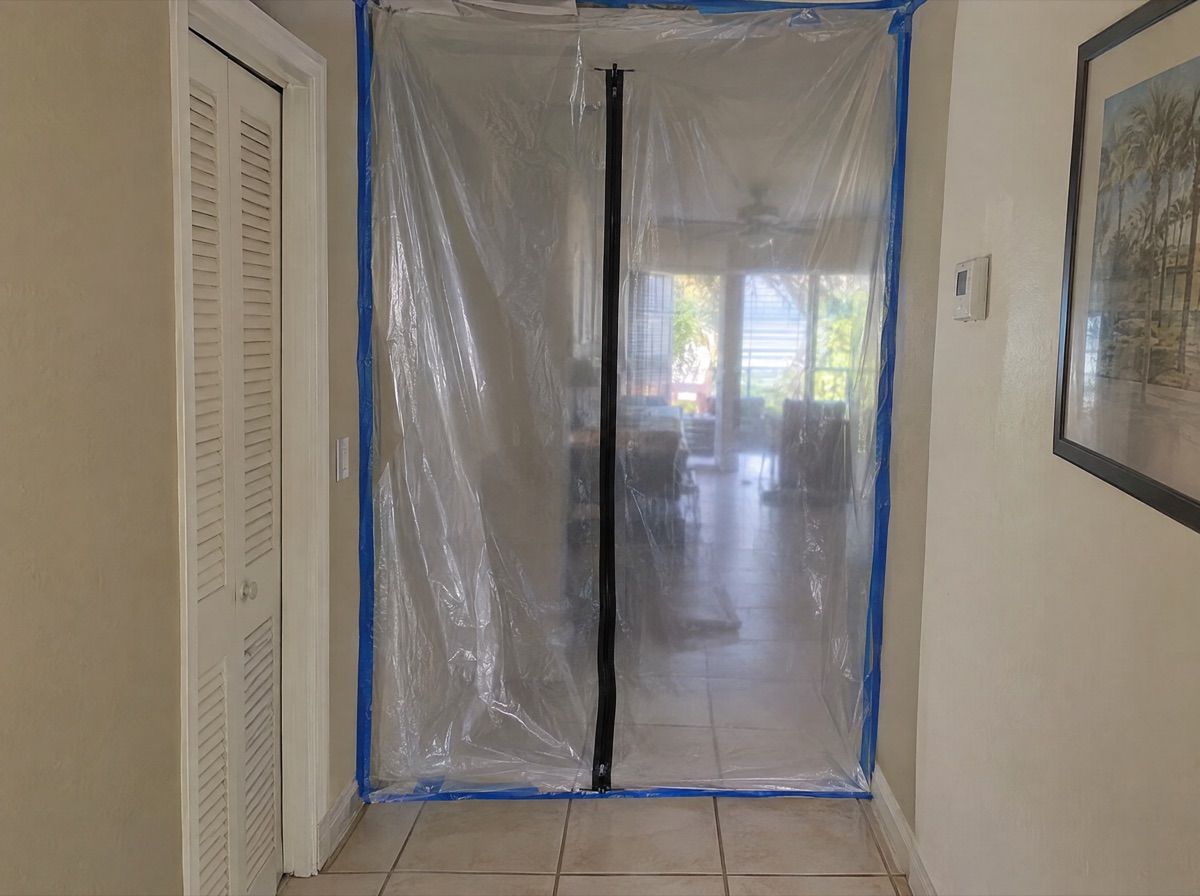
Containment
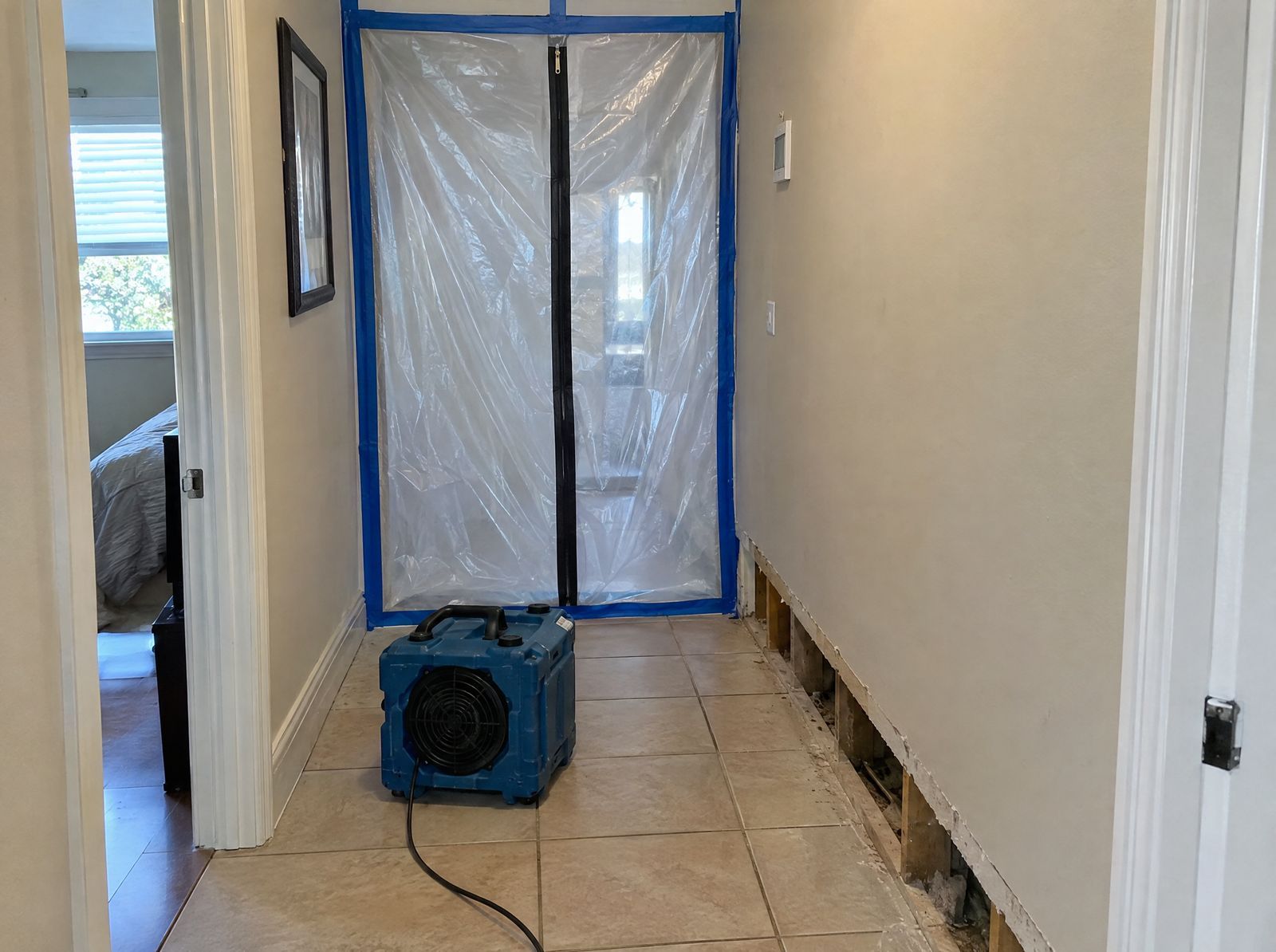
Smaller jobs may use a single layer of plastic with sealed vents and negative air pressure. Larger jobs can need double plastic and an airlock.
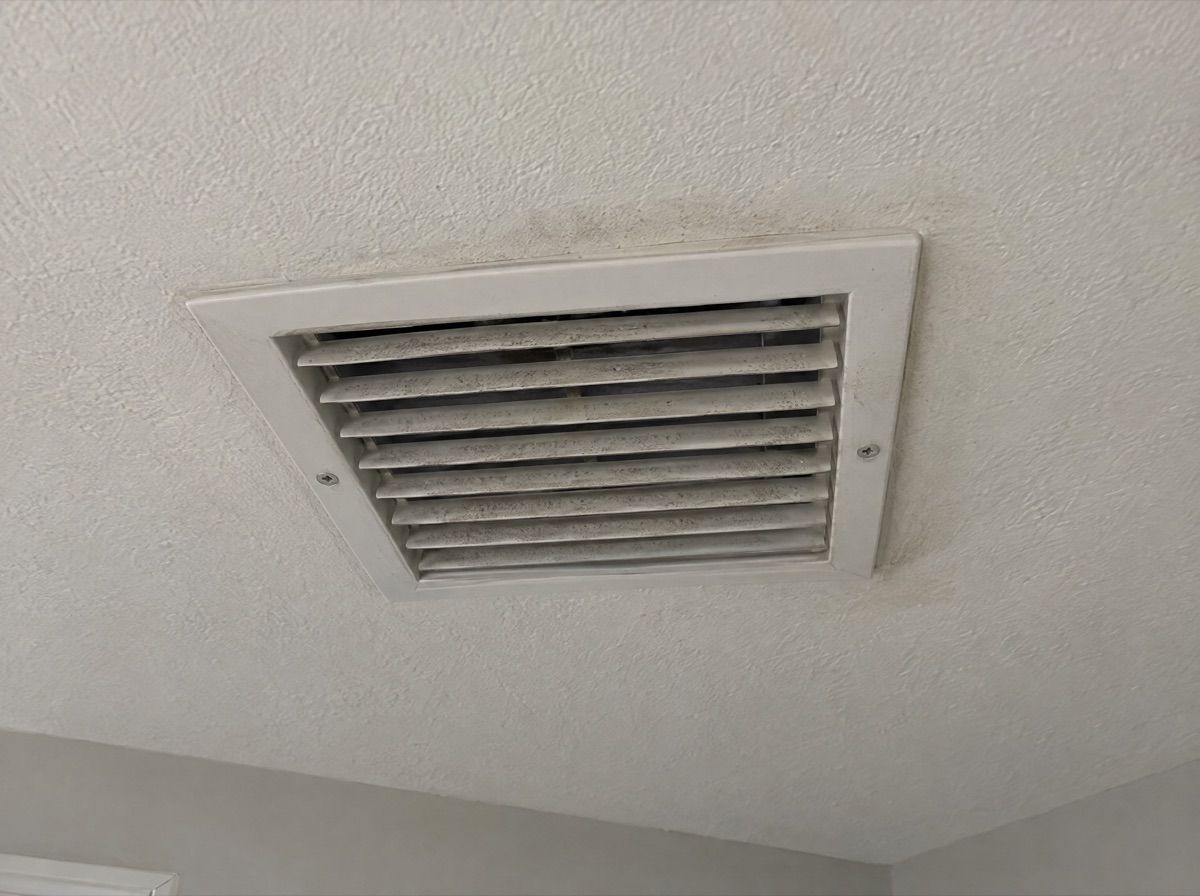
HVAC systems and ducts
If a system is known or suspected to be contaminated, it should be turned off until it is remediated, and this work should be done by professionals experienced with HVAC systems.
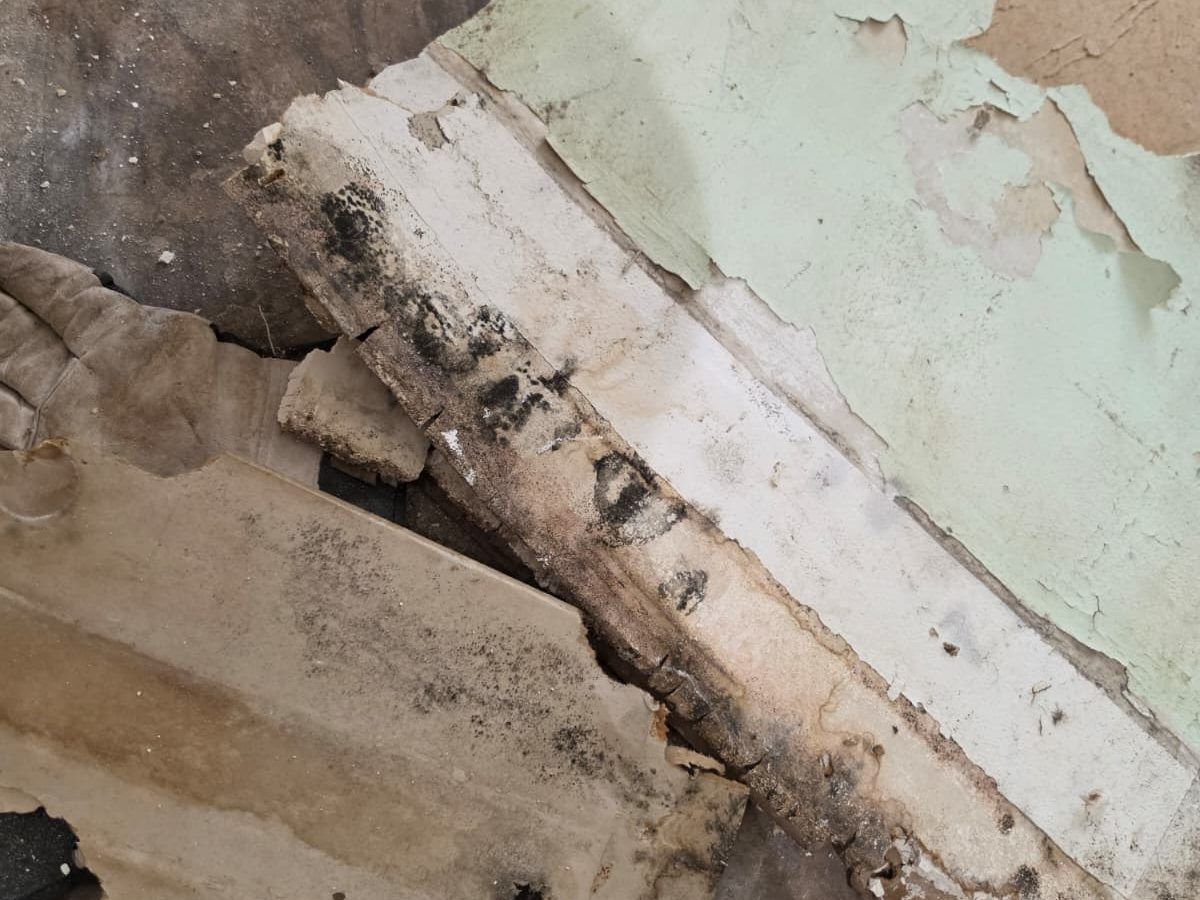
Clean what can be cleaned, remove what cannot
Remediation separates two kinds of surfaces. Hard, non-porous materials can generally be wiped or scrubbed and dried thoroughly. Wet porous materials such as ceiling tiles, carpet, cellulose insulation and fiberglass insulation usually have to be discarded and replaced.
Dead mold can still cause allergic reactions, so the goal is removal, not killing.
- Non-porous hard surfaces: wipe or scrub with water or water and detergent, then dry.
- Porous moldy materials may have to be thrown away.
- Discard and replace wet ceiling tiles, cellulose insulation and fiberglass insulation.
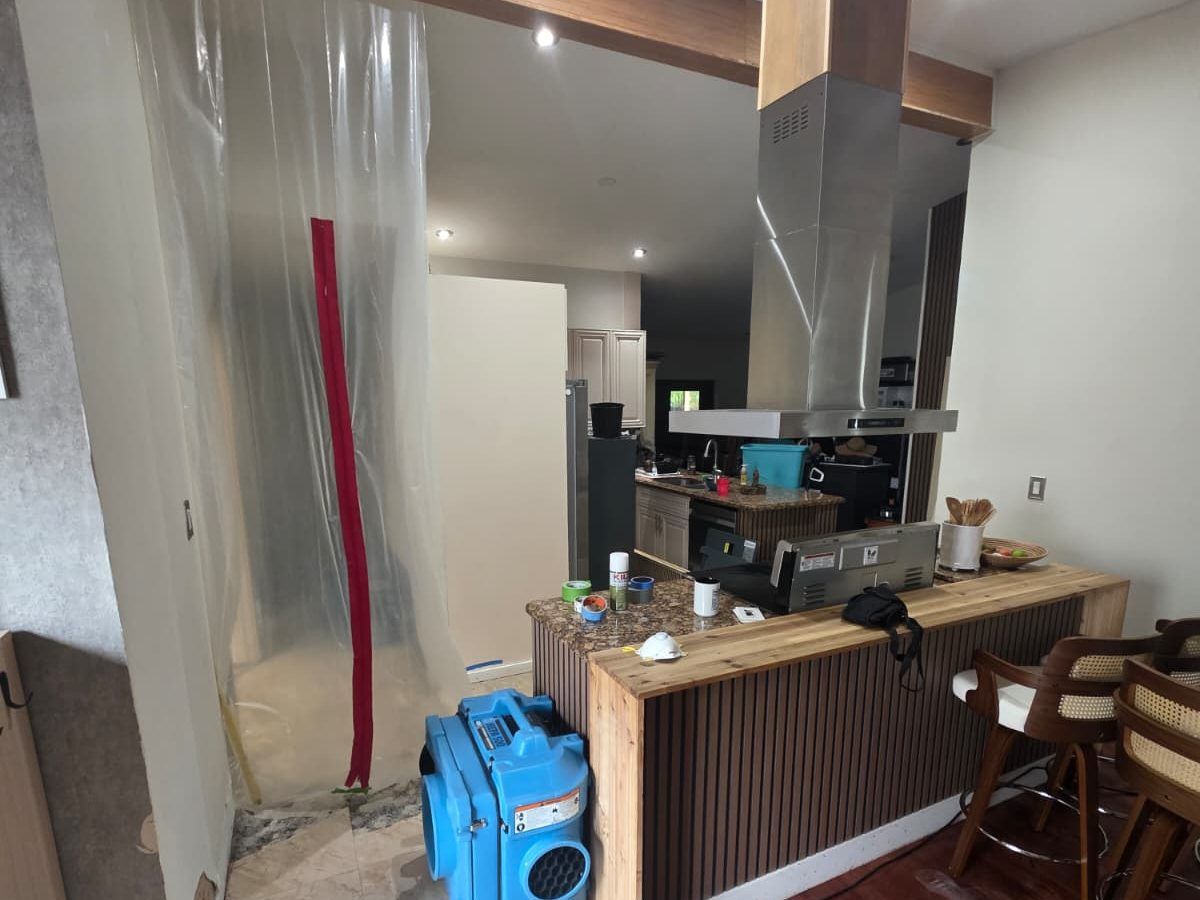
Containment while the work is going on
Containment keeps dust and spores out of the rest of the home. A limited job can use a single layer of plastic with sealed vents and negative air pressure; a larger job can need double plastic and an airlock.
A simple check: the plastic should billow inward. If it flutters outward, containment has been lost.
- Seal supply and air vents, doors, chases and risers.
- Maintain negative pressure with a HEPA-filtered fan exhausted outside.
- Full containment uses double layers of plastic and a decontamination chamber.
How it works
One call starts the process. Here is the order.
Request a call
Tell us what you are seeing and when it started. We can talk in English or Spanish.
We visit and explain the process
Our staff makes a home visit, a visual walkthrough at no cost to you, and explains the remediation process.
You hire an independent licensed assessor
The assessment that sets the scope is done by an independent licensed assessor you hire and pay directly.
We sell remediation under our agreement
We sell the remediation under our own agreement, and a mold remediator licensed in Florida performs the work on our behalf.
From recent jobs
Photos of remediation work performed by licensed remediators. They are not a promise of results and do not describe any customer's experience.
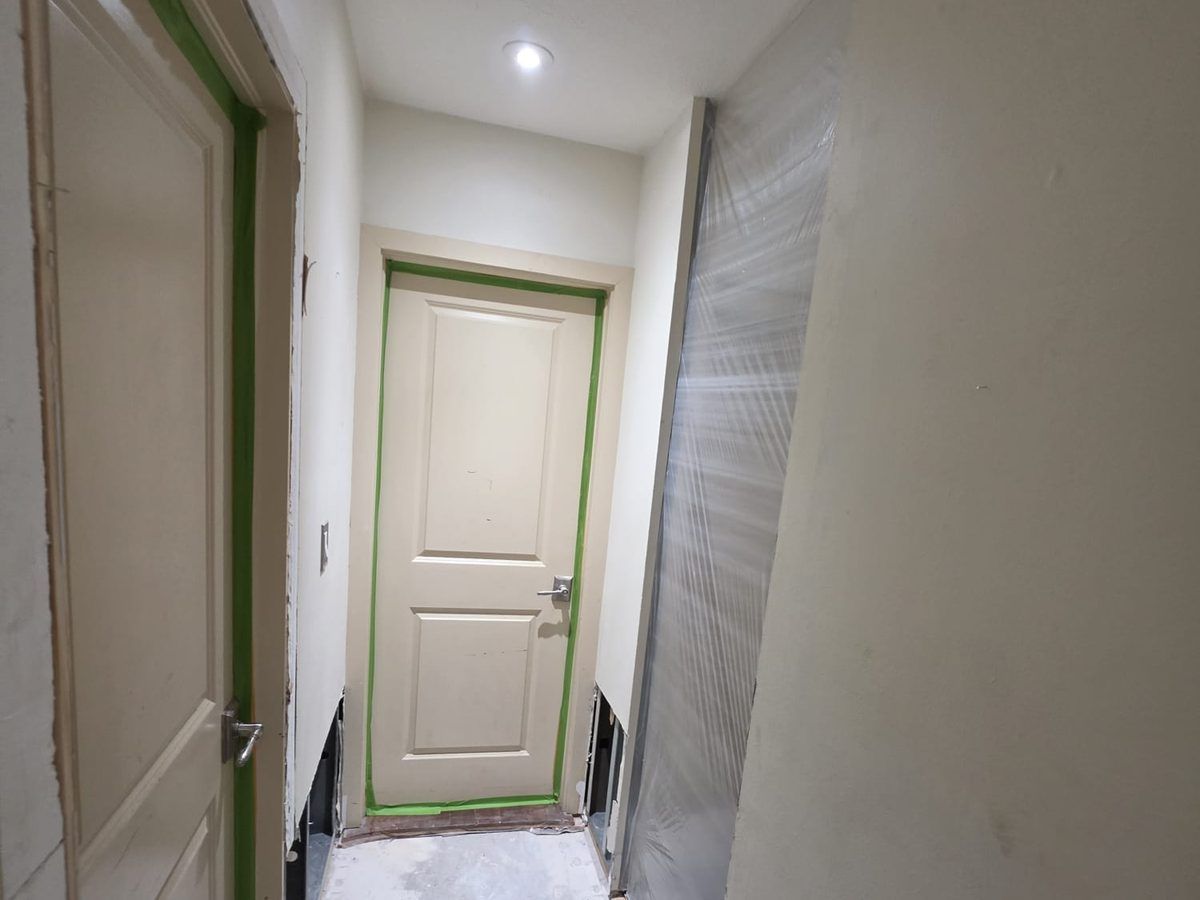
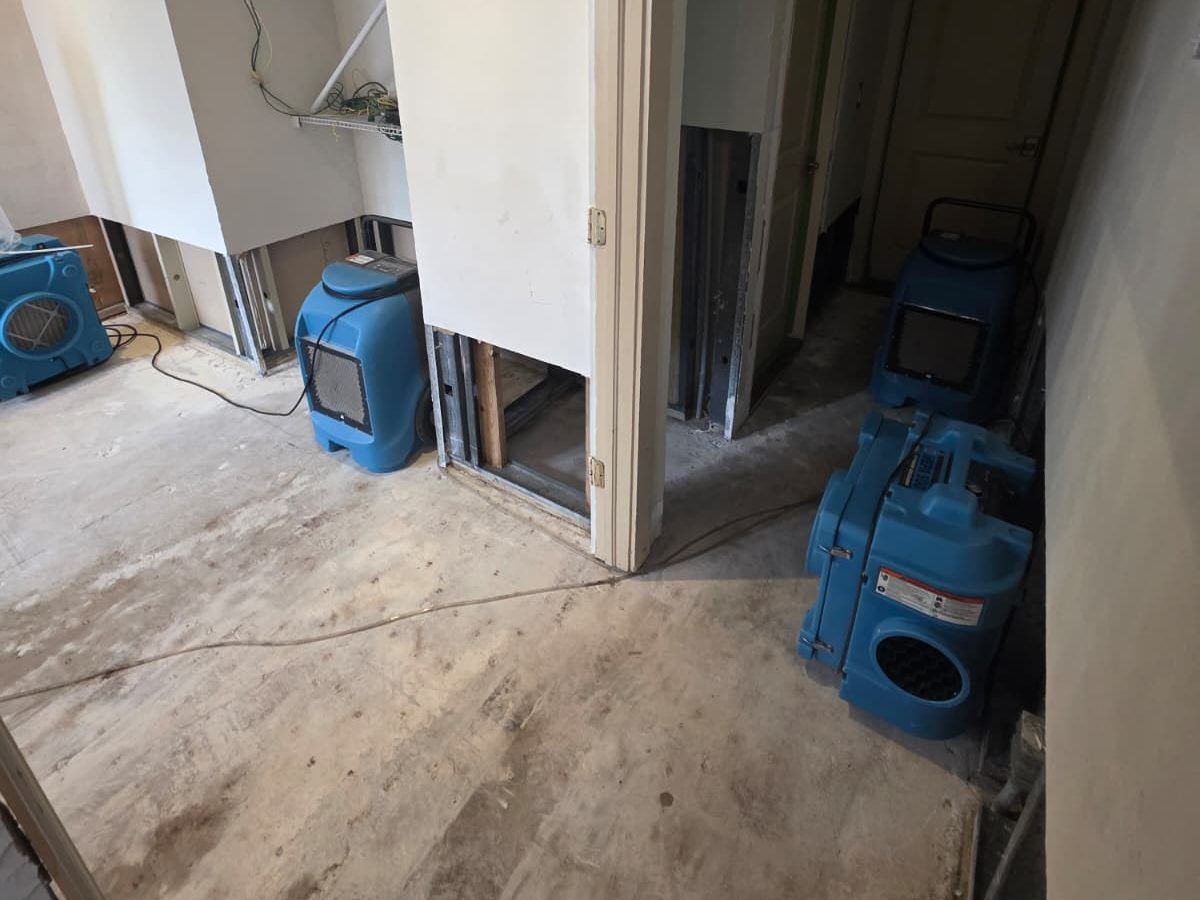
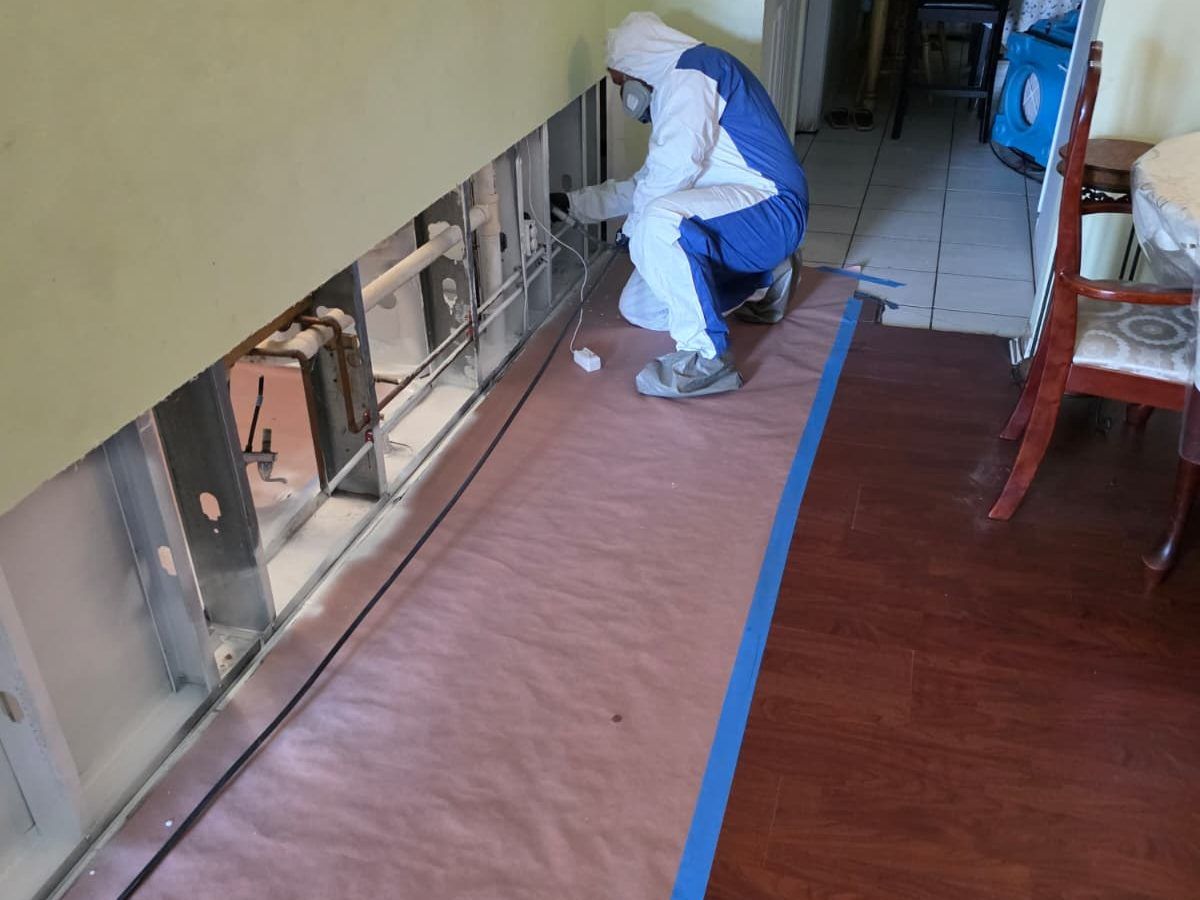
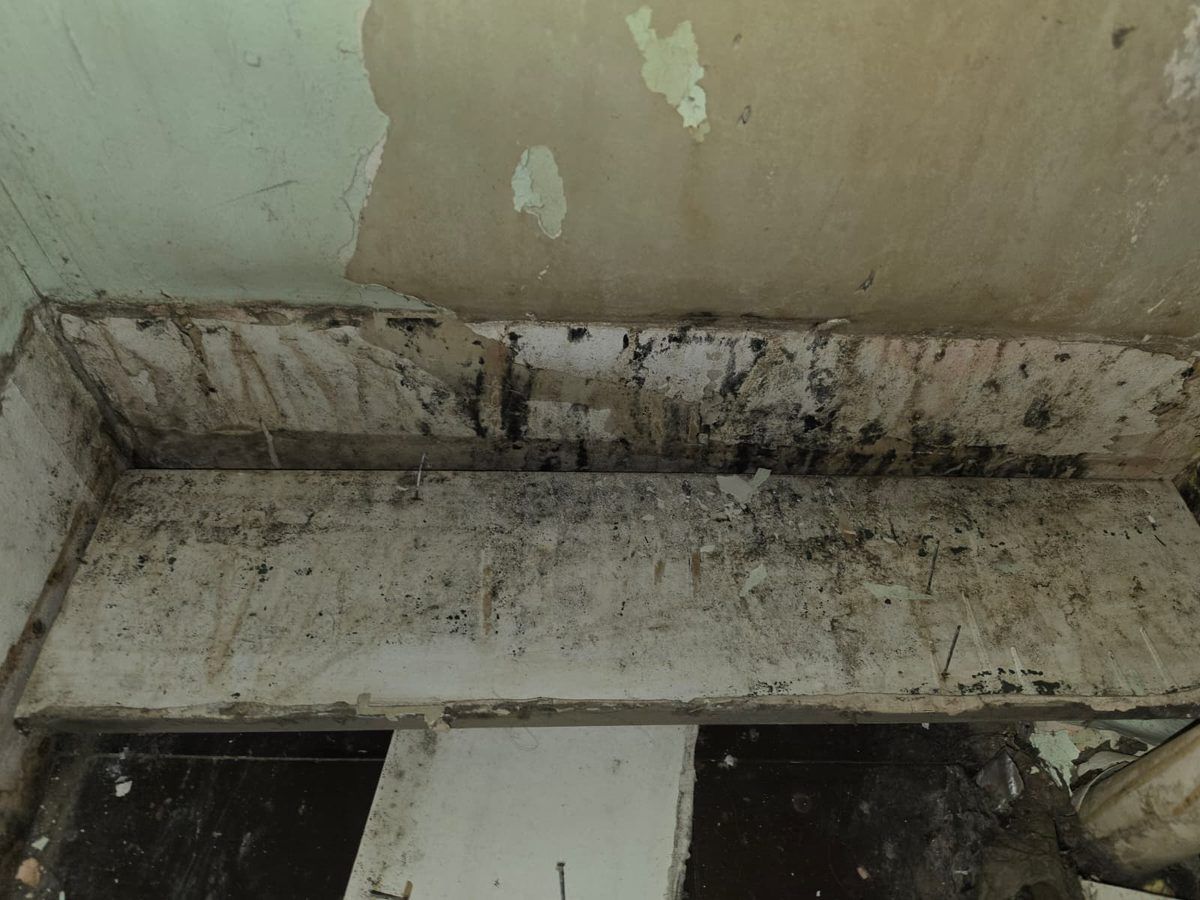

We cannot promise an outcome. A written scope and a signed agreement come first.
Talk it through with us
Request a call. We will explain the process. The assessment is done by an independent licensed assessor you hire and pay directly, and if remediation is needed, we sell it under our agreement and a Florida-licensed remediator performs it on our behalf.
Common questions

Should I clean mold myself or hire a professional?
EPA's rule of thumb: if the moldy area is less than about 10 square feet, a homeowner can usually handle it. If mold covers more than about 10 square feet, or there has been a lot of water damage, consult EPA's remediation guide and consider an experienced professional, especially if drying or cleanup is beyond your capacity. EPA also says to consult a health professional before starting cleanup if you have health concerns. People with allergies, immune suppression, lung disease, asthma or COPD should avoid mold cleanup altogether.
Does bleach kill mold?
EPA does not recommend bleach or another biocide as a routine practice during mold cleanup, and Florida DOH says bleach or other chemicals are not needed in most cases. The goal is to remove mold growth by cleaning or removing moldy materials, because dead mold can still cause allergic reactions. If bleach is used at all, CDC gives a maximum of 1 cup of household laundry bleach per gallon of water, and you must never mix bleach with ammonia or other cleansers.
Should I use an ozone generator for mold?
No. EPA says that at concentrations that do not exceed public health standards, ozone applied to indoor air does not effectively remove viruses, bacteria, mold or other biological pollutants. Florida DOH is direct: do not use an ozone generator to address an existing mold problem, because ozone irritates the lungs and is not likely to be effective. Ozone treats the air, not the wet material feeding the growth, and the moisture source still has to be fixed.
Can moldy furniture and belongings be saved?
Sometimes. Non-porous hard items can usually be cleaned by wiping or scrubbing with water or water and detergent, then dried quickly and thoroughly. Porous items like upholstered furniture, carpet, ceiling tiles and cellulose insulation may have to be thrown away because mold grows into crevices and can be impossible to remove completely. Items that cannot be salvaged should be double-bagged in 6-mil or thicker plastic; large pieces with heavy growth should be wrapped and sealed before removal.
Do I have to remove moldy drywall?
Not always. EPA says wallboard may be dried in place if there is no obvious swelling and the seams are intact; otherwise remove, discard and replace it, and ventilate the wall cavity if possible. EPA's water-damage guidance generally recommends discarding and replacing wet ceiling tiles and wet cellulose or fiberglass insulation; follow the guidance for the material and situation. Non-porous hard surfaces can often be cleaned and dried instead. The deciding factor is whether the material is porous and whether it can be dried quickly enough to stop growth.
Should I paint over mold?
No. EPA says do not paint or caulk moldy surfaces; clean and dry them first. Paint applied over moldy surfaces is likely to peel, and it does not stop the mold because the moisture behind it is still there. Clean, dry, fix the water source, and then paint if you want to finish the surface.
Sources
- U.S. EPA Brief guide mold moisture and your homeAccessed 2026-09-26
- U.S. EPA Mold remediation schools and commercial buildings guide chapter 3Accessed 2026-09-26
- U.S. EPA Mold remediation schools and commercial buildings guide chapter 4Accessed 2026-09-26
- U.S. EPA Mold cleanup your homeAccessed 2026-09-26
- U.S. EPA Mold course chapter 5Accessed 2026-09-26
- Florida StatutesAccessed 2026-09-26
- Florida StatutesAccessed 2026-09-28
- U.S. EPA Mold remediation schools and commercial buildings guide chapter 5Accessed 2026-09-26
- U.S. EPA Mold course chapter 1Accessed 2026-09-26
- Florida Department of Health MoldAccessed 2026-09-26
- CDC Clean upAccessed 2026-09-26
- U.S. EPA Ozone generators are sold air cleanersAccessed 2026-09-26