
Basics
Black mold myths and facts
Black mold is a description, not a species. Color alone does not tell you what a mold is or how it should be handled.
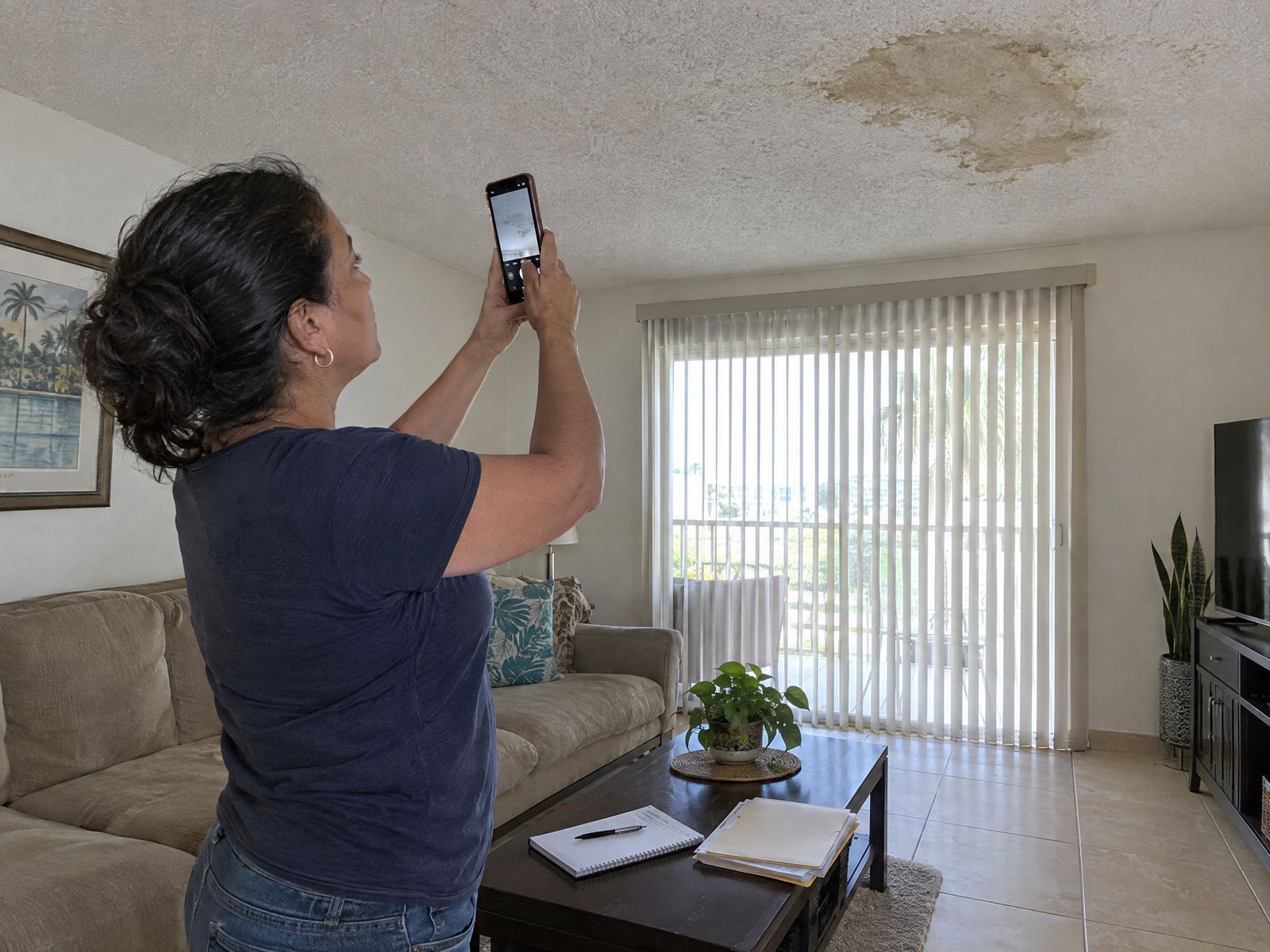
Black mold in plain terms
Black mold is not a species or a specific kind of mold. It is media shorthand for molds that may produce mycotoxins, or specifically for Stachybotrys chartarum.
Molds come in many colors, including white. Color alone does not identify mold or its risk.
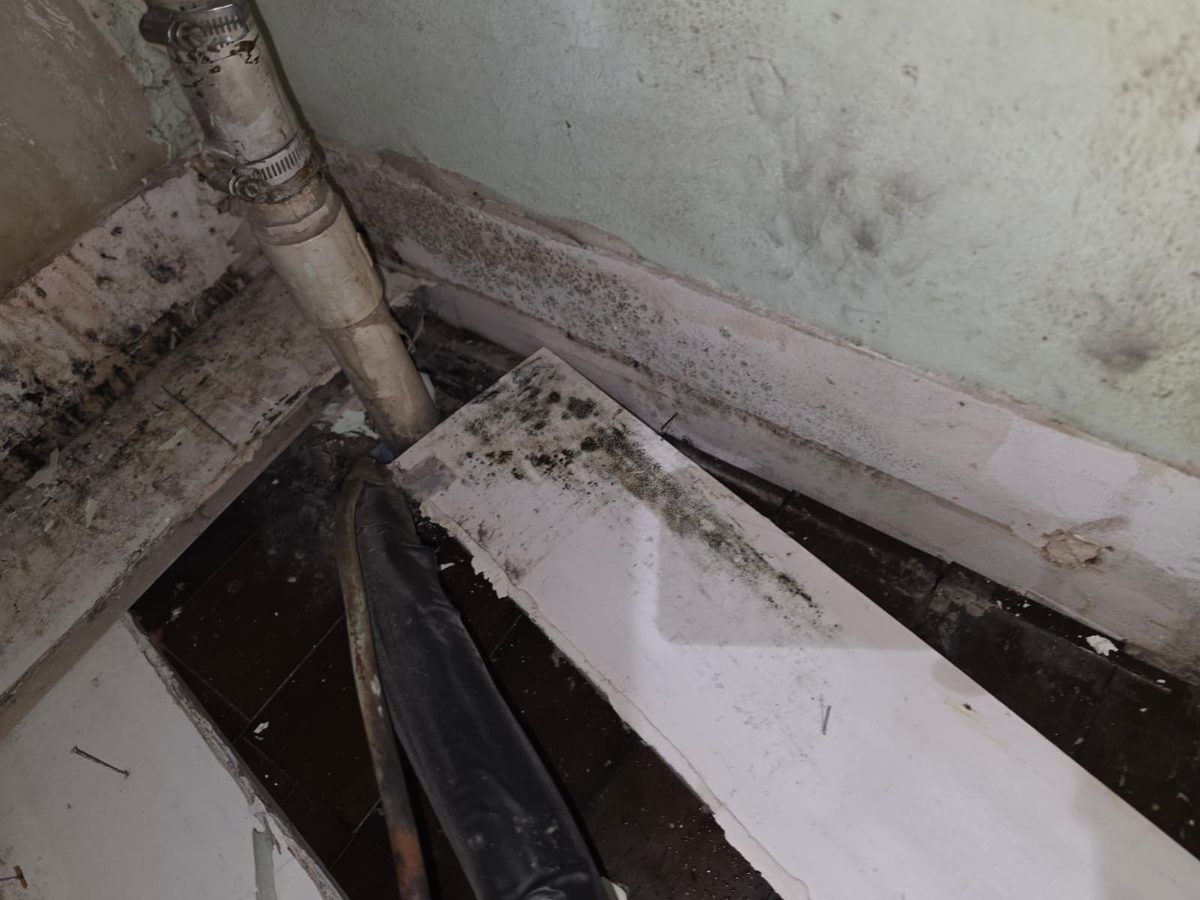
What matters instead of color
EPA says black mold is not a species or a specific kind of mold. For health risks and removal, CDC says it is not necessary to identify the type of mold; all molds should be treated the same.
What matters is the amount of growth, the moisture feeding it and who is in the building. Visible growth should be removed promptly, whatever color it is.
- Color alone does not identify a mold or its risk.
- Mold in a building does not prove mycotoxins are present.
- Do not run a heating or cooling system you know or suspect is contaminated.
Myths and what agencies say

Myth: black mold is one harmful species
Black mold is not a species. It is a label, not a scientific category.

Myth: color tells you the risk
Color alone does not identify mold or its risk.

Myth: growth means mycotoxins are present
Mold in a building does not necessarily mean mycotoxins are present or present in large quantities, and no one can tell by looking.

Myth: you must identify the type first
It is not necessary to determine what type of mold is growing. All molds should be treated the same with respect to potential health risks and removal.
What to do and what not to do
What to do
- Treat all indoor growth the same: remove it promptly and fix the moisture.
- Turn off a heating or cooling system you know or suspect is contaminated.
What not to do
- Do not judge the risk by color alone.
- Do not assume a dark patch or a musty smell proves mycotoxins are present.
- Do not keep running a contaminated HVAC system, because it can spread mold through the building.
For the majority of people, undisturbed mold is not a substantial health hazard. Growth should still be removed and the moisture fixed. If you have health concerns, talk to your doctor.
Talk it through with us
Request a call. We will explain the process. The assessment is done by an independent licensed assessor you hire and pay directly, and if remediation is needed, we sell it under our agreement and a Florida-licensed remediator performs it on our behalf.
Common questions
Is mold and mildew the same thing?
Mildew is a common name for some surface fungal growth, not a separate scientific category with a different risk. Appearance alone cannot identify the type; address the growth and the moisture that supports it. Color does not settle it either: mold comes in white, gray, brown, black, yellow and green. The practical answer is the same for both. Remove the growth, dry the surface, and correct the moisture that let it start.
Is black mold dangerous?
'Black mold' is not a species or a specific kind of mold, and neither is 'toxic mold'. Those are media shorthand for molds that may produce mycotoxins, or specifically for Stachybotrys chartarum. Color alone does not identify a mold or its risk, and mold in a building does not prove mycotoxins are present. Health agencies say all molds should be treated the same: remove indoor growth promptly. People with allergies, asthma or weakened immune systems may react more, so they should stay out of cleanup areas.
Black mold vs regular mold: what is the difference?
For cleanup and health risk, agencies do not separate them. CDC says it is not necessary to determine what type of mold is growing and that all molds should be treated the same with respect to potential health risks and removal. In its guidance for the aftermath of major hurricanes and floods, CDC says undisturbed mold is not a substantial health hazard for the majority of people. What matters is the amount of growth, the moisture feeding it, and who is in the building. Visible growth should be removed promptly, whatever color it is.
Sources
- U.S. EPA Mold course chapter 1Accessed 2026-09-26
- CDCAccessed 2026-09-26
- U.S. EPA Mold remediation schools and commercial buildings guide appendix bAccessed 2026-09-26
- CDC Rr5508a1Accessed 2026-09-26
- U.S. EPA Mold cleanup your homeAccessed 2026-09-26
- Florida Department of Health MoldAccessed 2026-09-26

Reviewed by Othmar 2026-10-05: "Approve all launch pages for production" (2026-10-01)