
Basics
Signs of mold in a house
Visible growth is the clearest sign. Look also for stains, condensation, warping and a musty odor that keeps coming back.
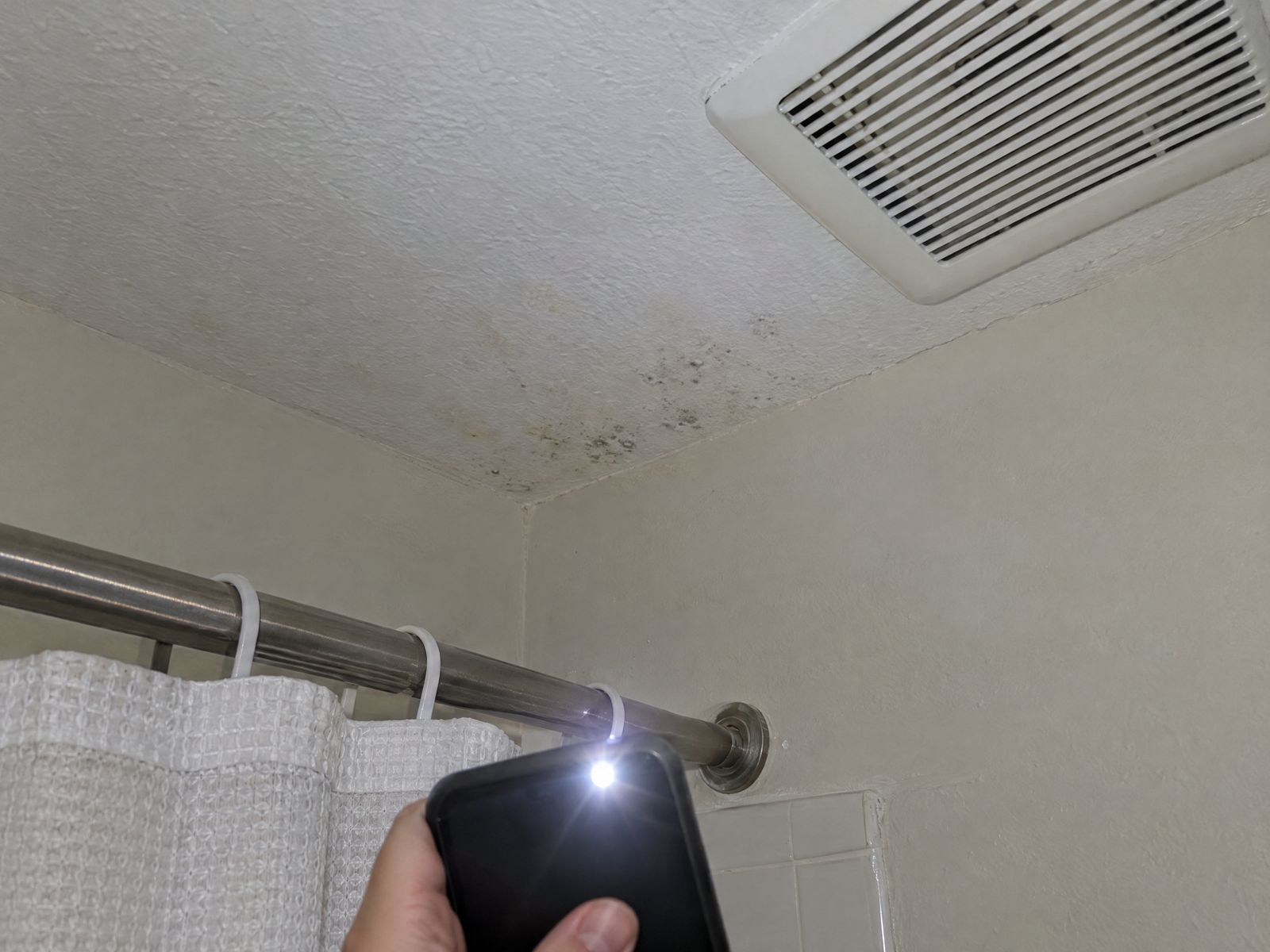
What to look for
Mold often looks cottony, velvety, rough or leathery. It can be white, gray, brown, black, yellow or green, and it often appears as a stain or a fuzzy patch.
The most important sign of a mold problem is visible mold. Florida health officials note that indoor growth can usually be seen or smelled, and that in most cases sampling is not needed when visible growth is present.
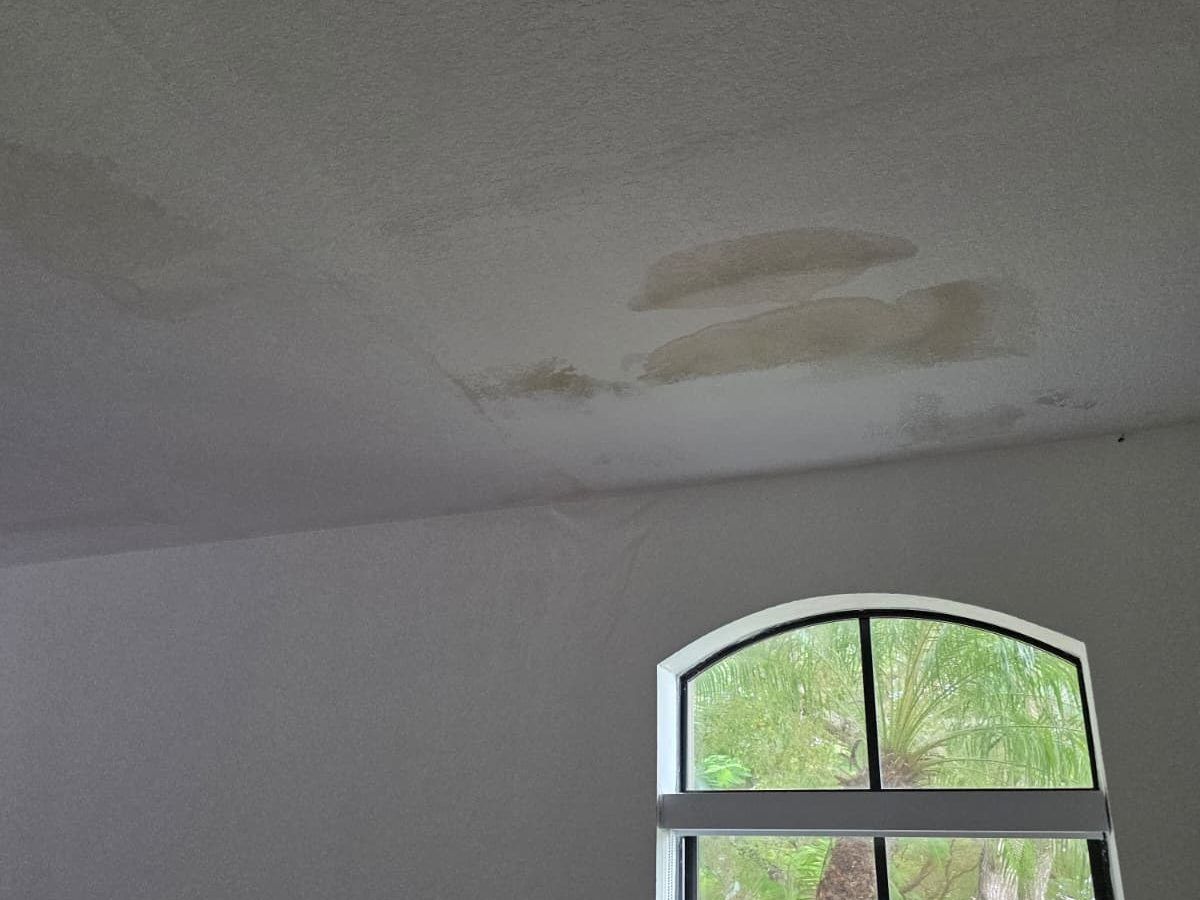
What to look at around a stain
A dark patch is a starting point, not an answer. Look at what surrounds it: leaks, standing water, water stains and condensation are the conditions that feed growth.
Not everything that looks like mold is mold. Paint on the back of drywall, carpet stains and alkaline crystals on soil or concrete walls can look like mold. The crystals, unlike mold, are usually water-soluble.
- Judge how large the moldy area looks, then find the moisture problem behind it.
- A moisture meter can trace hidden wet areas in wallboard, wood, brick and concrete.
- Growth on a ceiling usually means water is coming from above or condensing on a cold surface.
Where growth often shows up
Common indoor mold sites in South Florida homes.
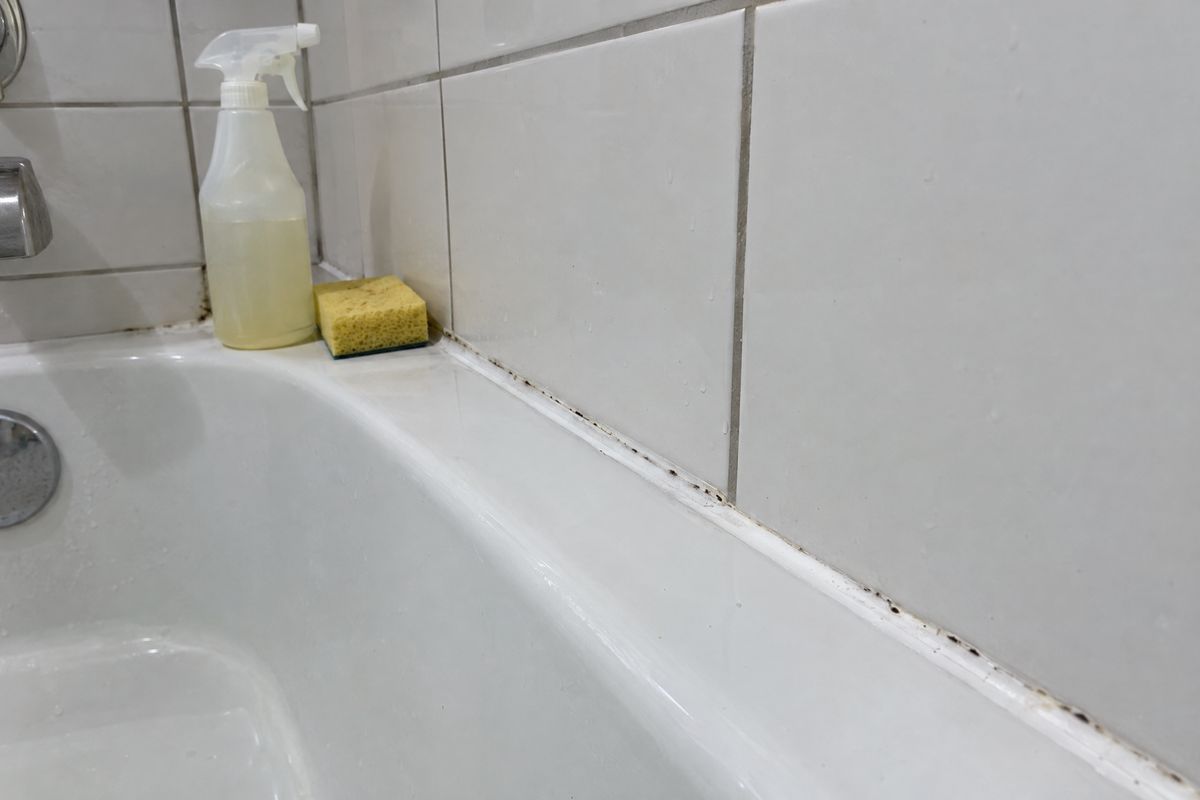
Bathroom tile and grout
Bathrooms stay damp and are a common place for growth to start.
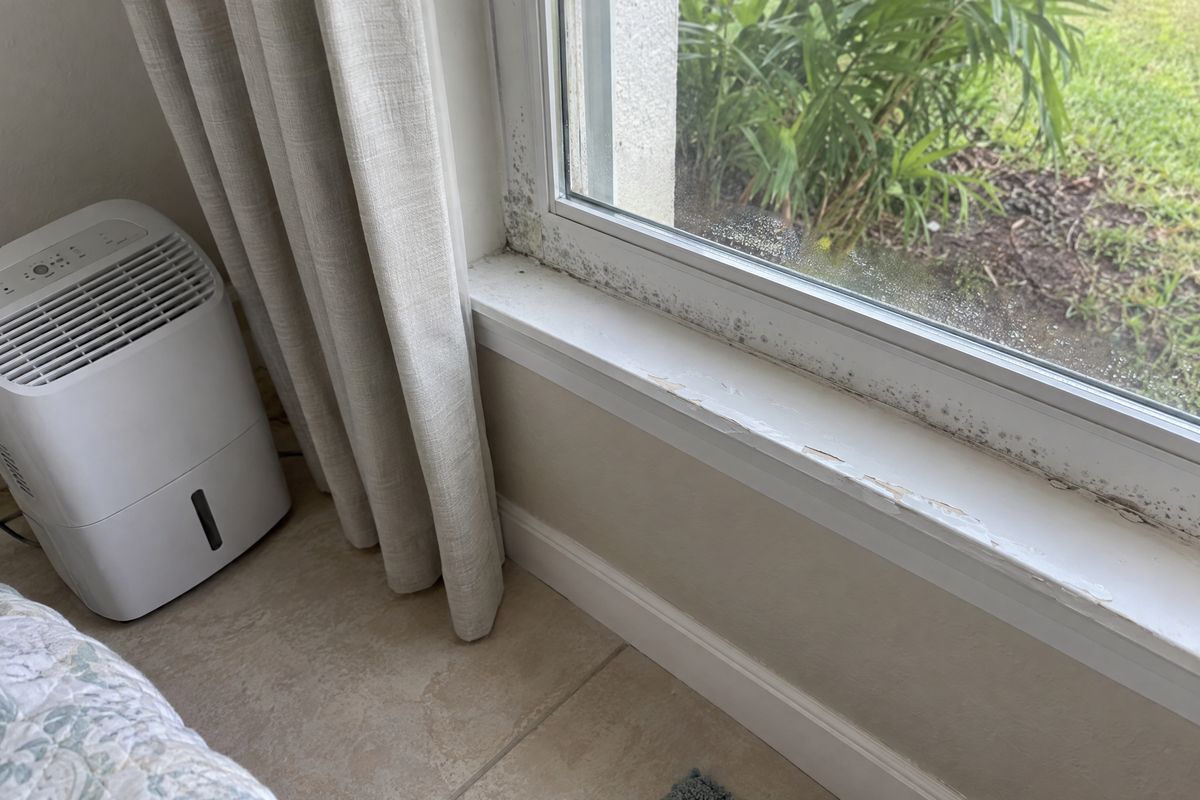
Around windows
Condensation on a cool surface can keep the area wet.
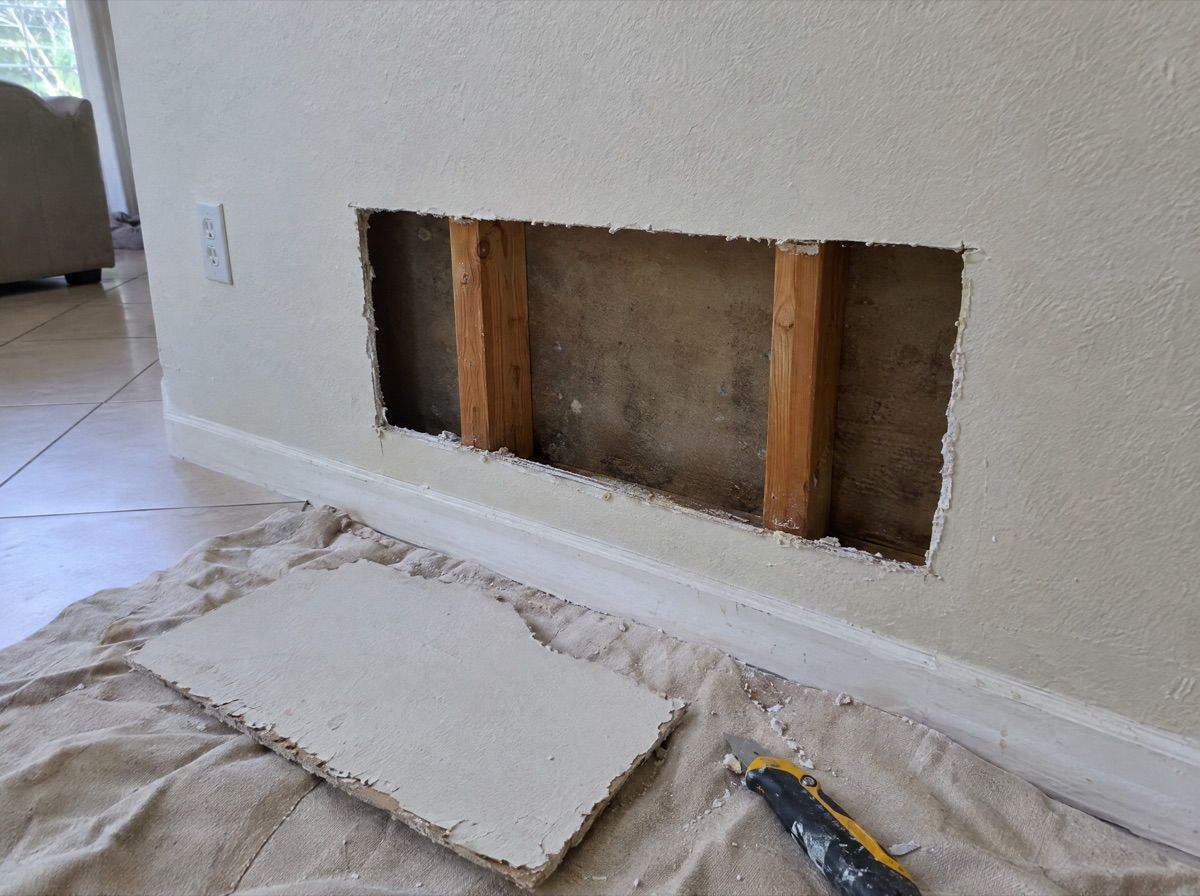
Behind drywall and paneling
Hidden growth can sit on the back side of drywall, wallpaper or paneling.
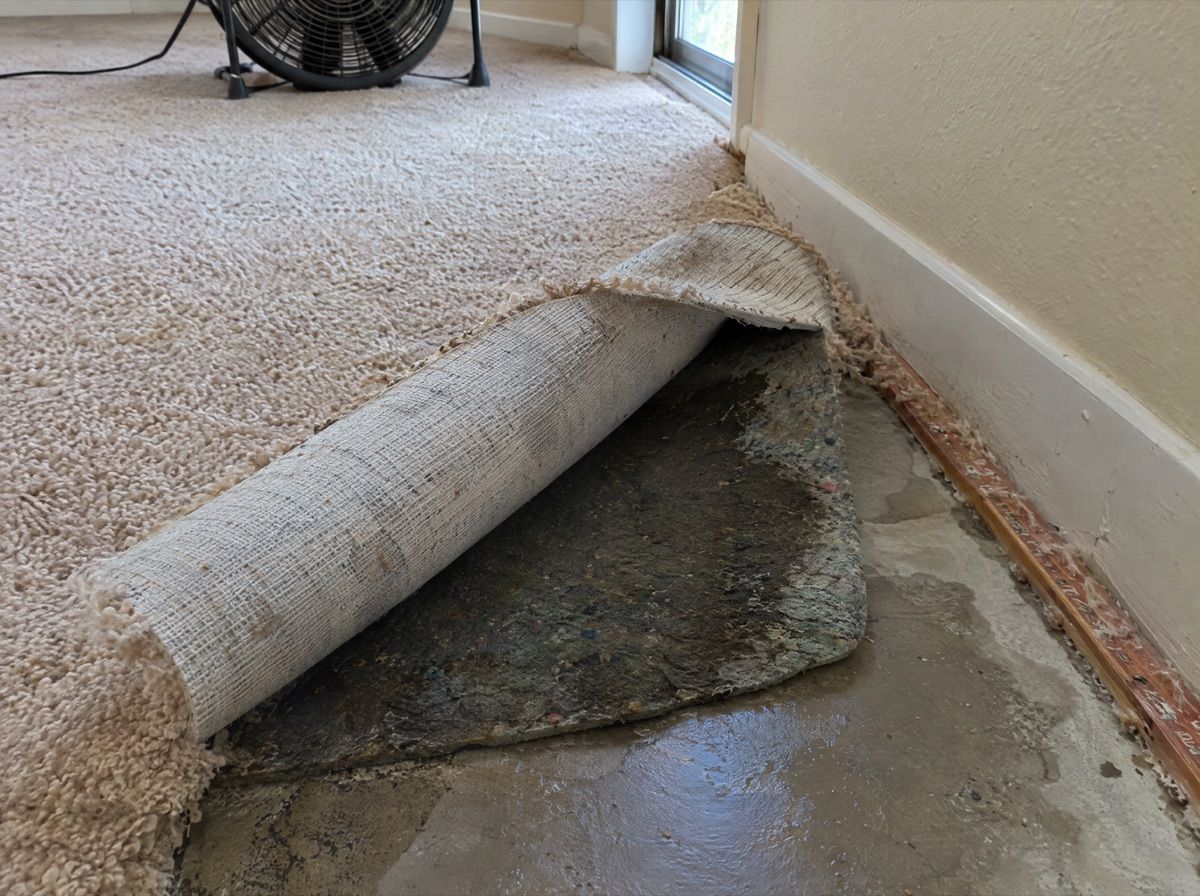
Under carpet and on ceiling tiles
Carpet, padding and ceiling tiles can hide growth on surfaces you do not see.
What to do and what not to do
What to do
- Look for leaks, standing water, water stains and condensation near the growth.
- Note how large the moldy area looks, then find the moisture problem behind it.
- Use a moisture meter to trace hidden wet areas in carpet, wallboard, wood, brick or concrete.
What not to do
- Do not assume every dark stain is growth. Paint on the back of drywall, alkaline crystals on concrete and carpet stains can look like mold and are not.
- Do not paint over or wipe a spot that keeps returning without fixing the moisture.

A stain that returns after cleaning can point to an unresolved moisture source such as a leak or condensation. Find the source and dry the area.
Talk it through with us
Request a call. We will explain the process. The assessment is done by an independent licensed assessor you hire and pay directly, and if remediation is needed, we sell it under our agreement and a Florida-licensed remediator performs it on our behalf.
Common questions
How to tell if you have mold in your house?
Look for visible growth, and for the conditions that feed it. Mold often looks cottony, velvety, rough or leathery, and can be white, gray, brown, black, yellow or green; it can also appear as a stain or fuzzy patch. Also check for leaks, standing water, water stains and condensation. The most important sign of a mold problem is visible mold. Once you find it, judge how large the area is and find the moisture problem behind it.
Is that mold or something else?
Not everything that looks like mold is mold. Paint on the back of drywall, alkaline crystals on soil or concrete walls, and carpet stains can look like growth and are not. A clear tape sample can be examined under a microscope by a laboratory to tell whether it is mold. If it is mold, a moisture meter will help you trace the wet area that is feeding it. If it is not, you have saved yourself an unnecessary remediation.
Is mold on the ceiling a problem?
Yes, because growth on a ceiling usually means water is coming from above or from condensation on a cold surface. Common indoor mold sites include areas around windows, and hidden growth often sits on the top of ceiling tiles or on roof materials above the tiles. A ceiling stain that keeps returning after cleaning is a moisture problem, not a cleaning problem. Find the source, dry the assembly, and replace wet ceiling tiles and insulation rather than trying to salvage them.
Sources
- Florida Department of Health MoldAccessed 2026-09-26
- U.S. EPA Mold course chapter 3Accessed 2026-09-26
- U.S. EPA Mold remediation schools and commercial buildings guide chapter 3Accessed 2026-09-26
- U.S. EPA Mold course chapter 1Accessed 2026-09-26

Reviewed by Othmar 2026-10-05: "Approve all launch pages for production" (2026-10-01)