
Basics
Causes of mold growth in a home
Mold needs moisture and time. When a surface stays wet, growth can start within a day or two, so drying quickly matters.
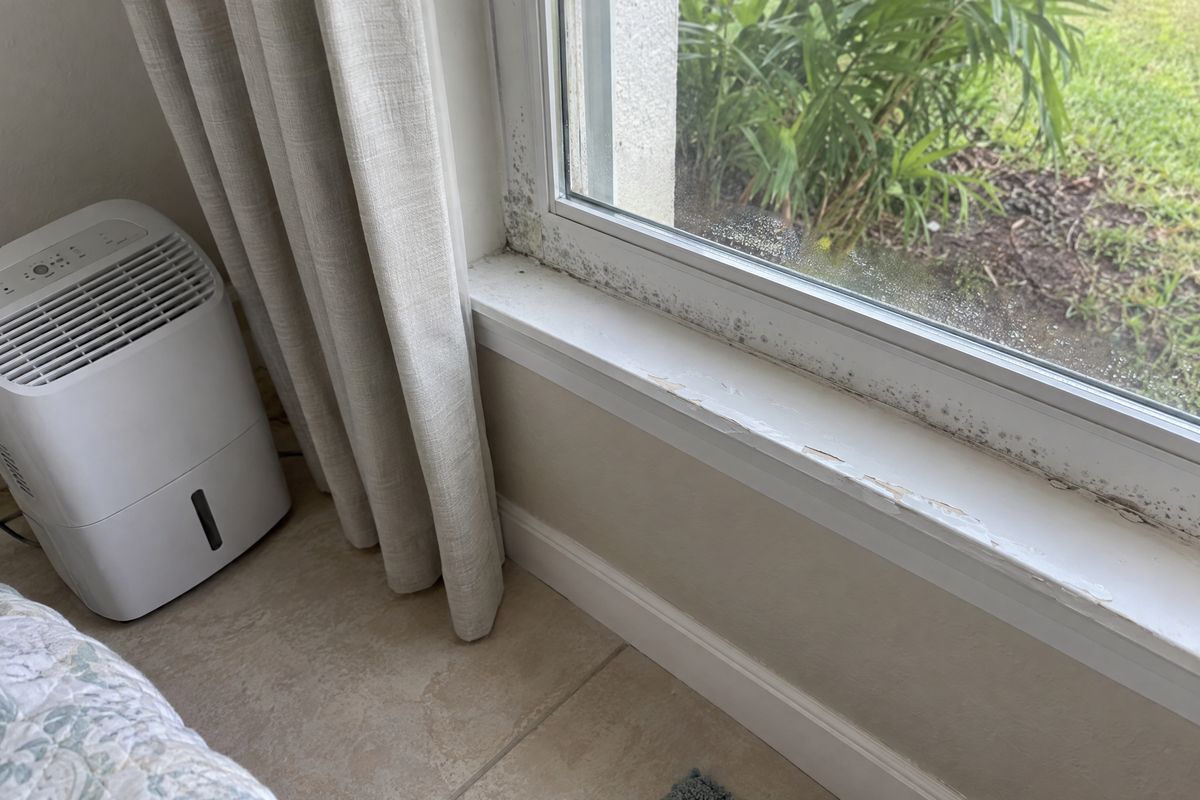
Why mold grows indoors
The key to mold control is moisture control. Dry water-damaged areas and items within 24 to 48 hours. In most cases mold will not grow if they dry within that window.
Florida moisture sources include roof, wall, floor and plumbing leaks, condensate from air handlers and drain pans, condensation on cold surfaces, flooding and storm surge, and poor venting of kitchen and bathroom moisture.
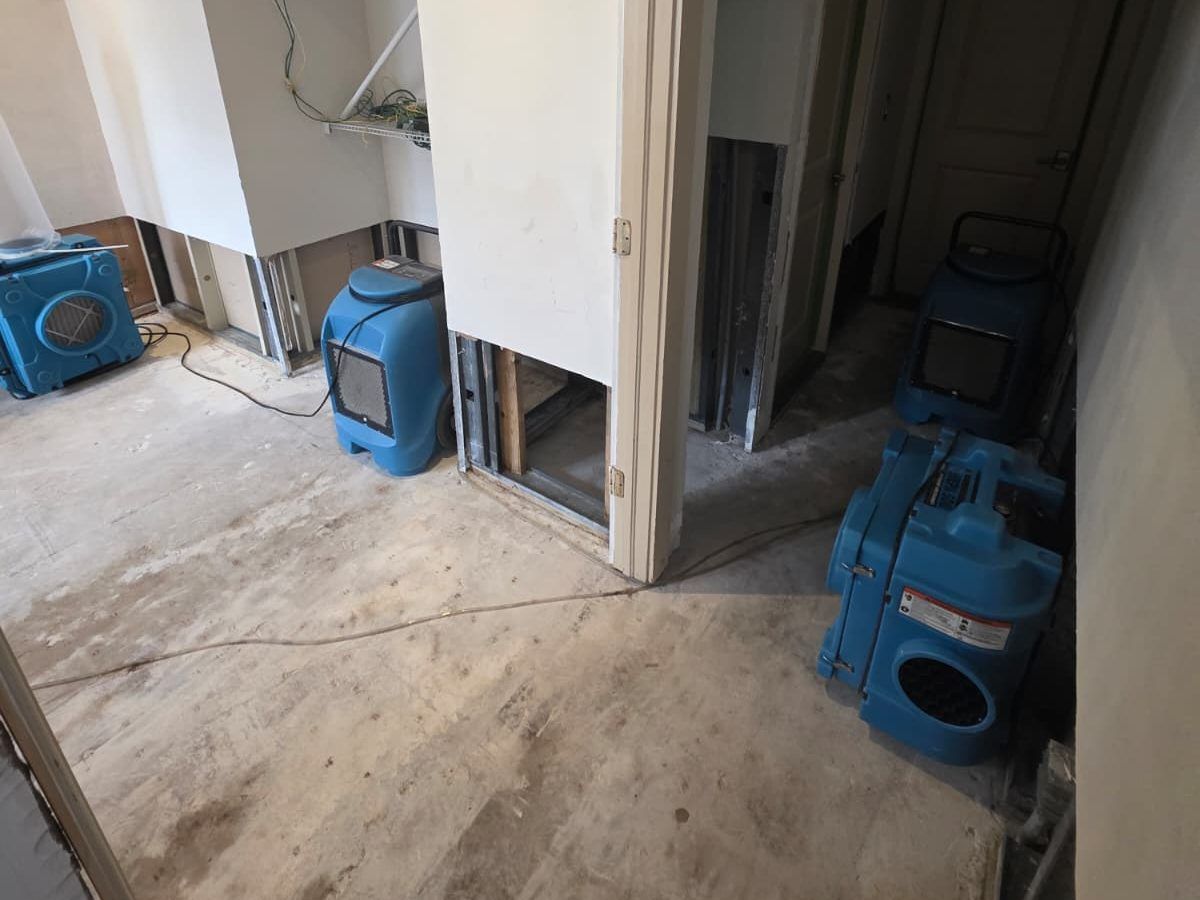
Drying is the deadline
Mold needs moisture and time. EPA says to dry water-damaged areas and items within 24 to 48 hours to prevent growth, and Florida health officials note that common molds can take hold when water stands for even 24 hours.
If a home flooded and could not be dried within 24 to 48 hours, assume growth even if you cannot see it yet. Clean and dry spills within 24 hours.
- Extract water, remove soaked porous items, and dry everything fast.
- Fix the water source first. Cleaning growth without fixing the moisture only buys time.
Common sources of moisture
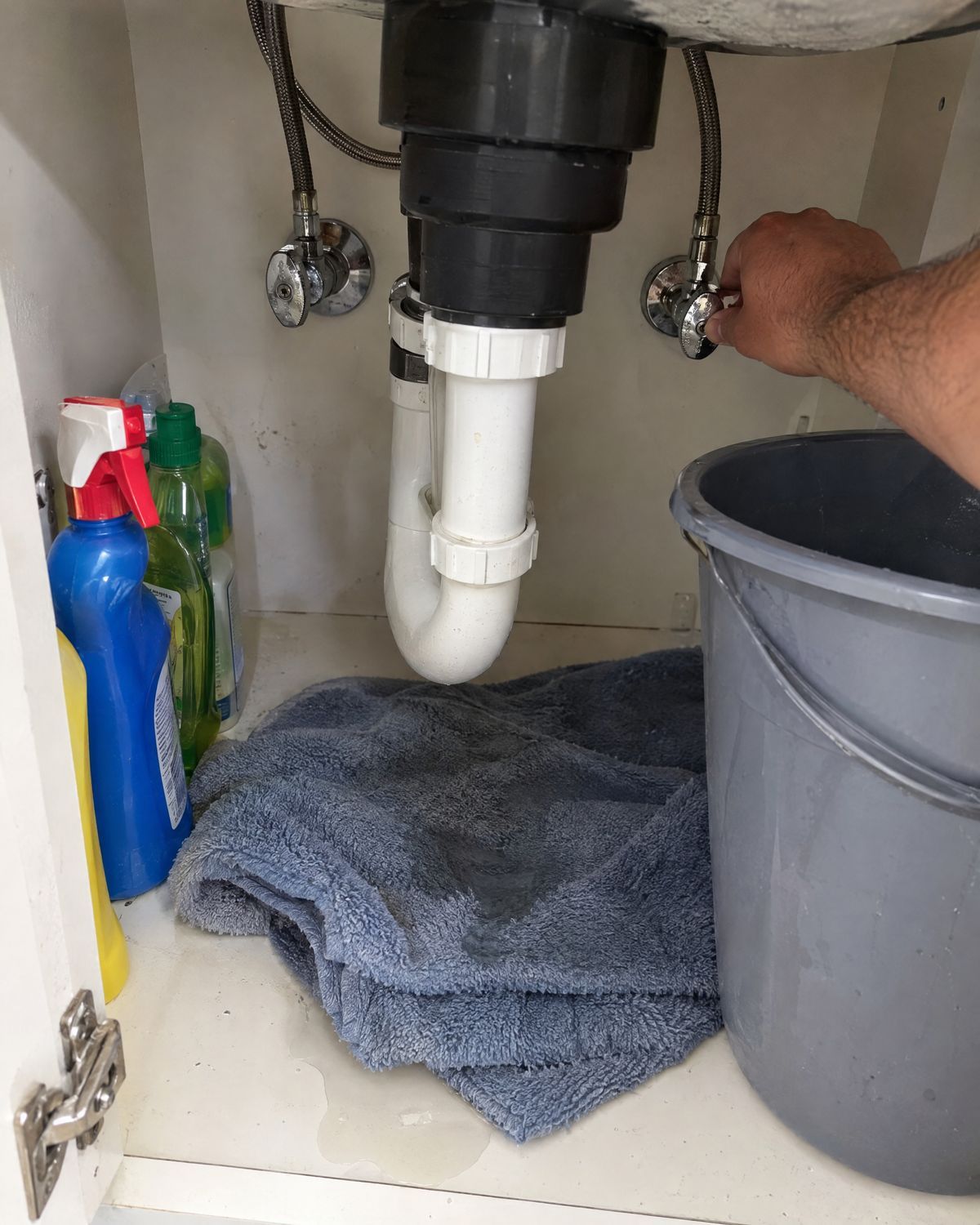
Leaks in the roof, walls or plumbing
A slow leak can keep a hidden surface wet for a long time.
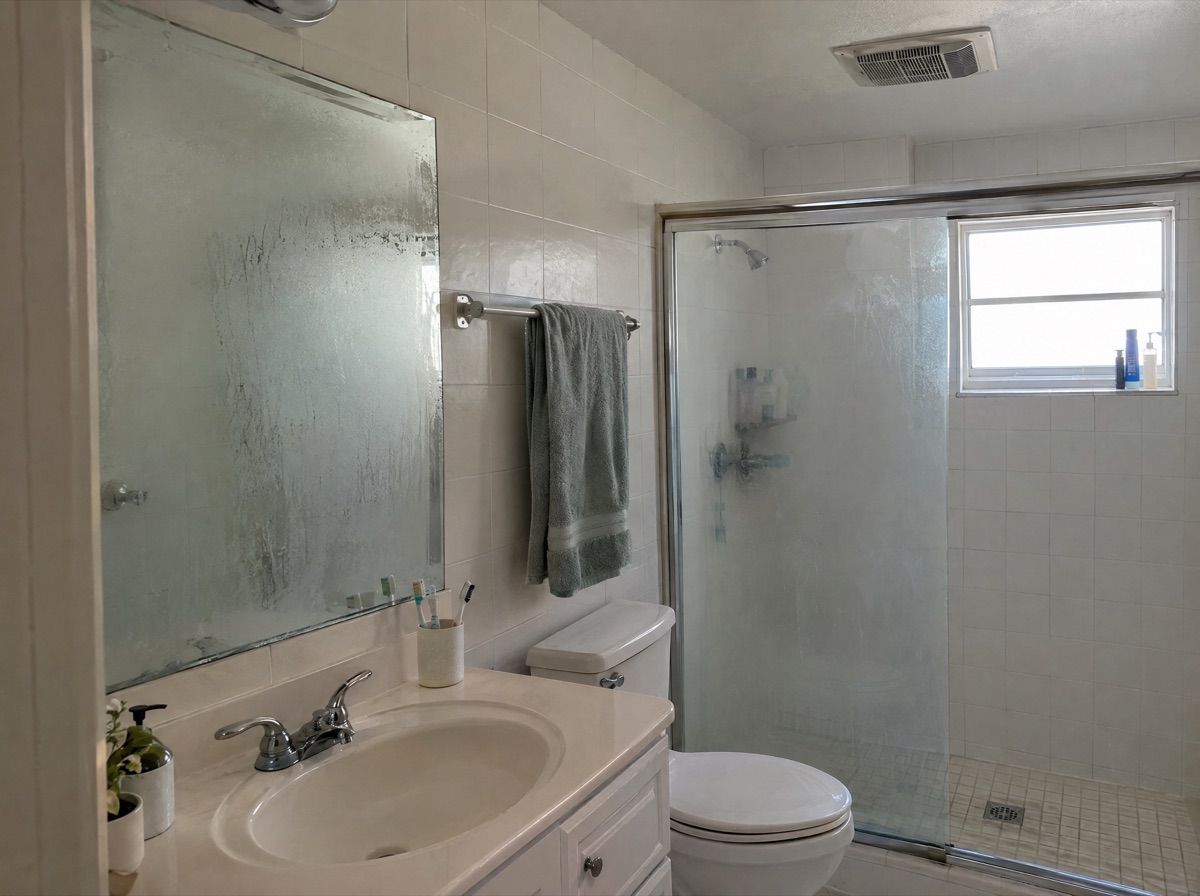
Condensation on cold surfaces
Cool walls, ducts and window frames can collect water from humid air.
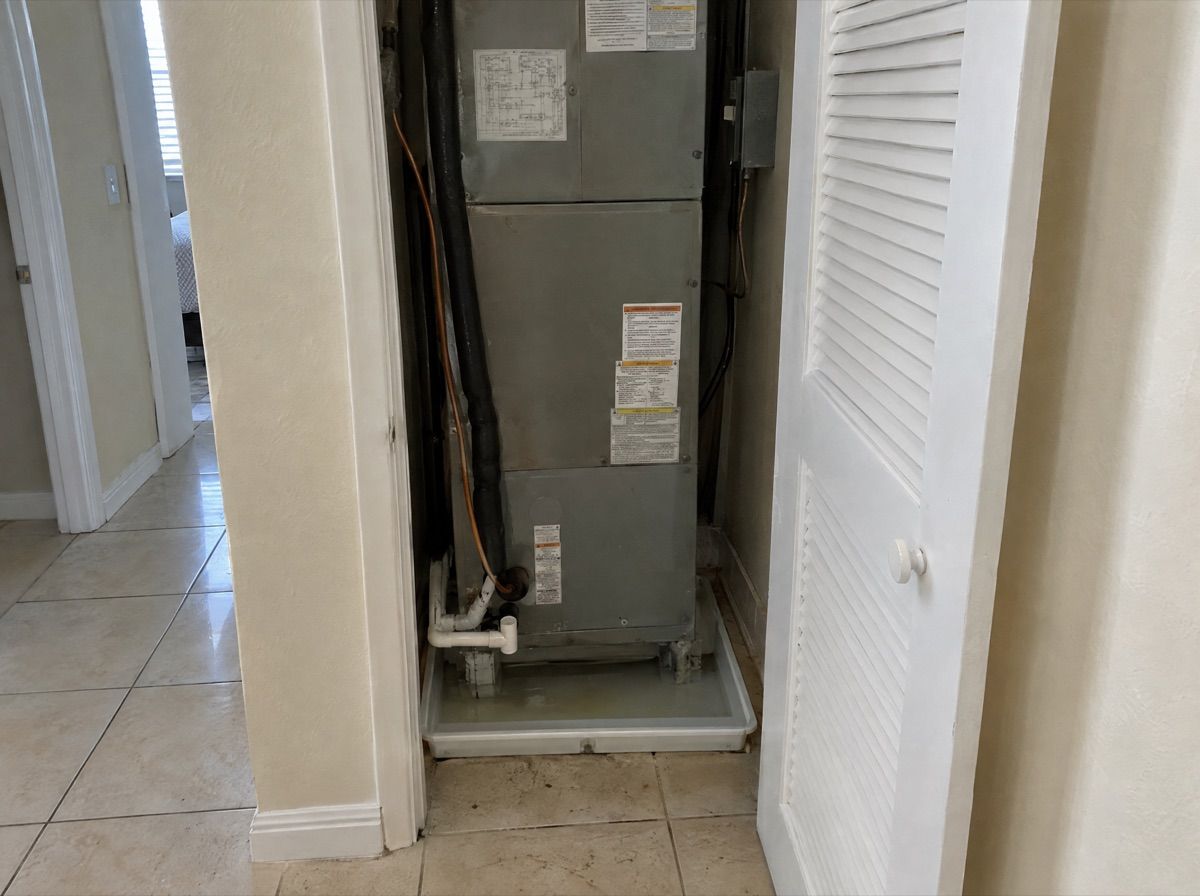
Air conditioning and drain pans
Condensate that does not drain away leaves standing water near the equipment.
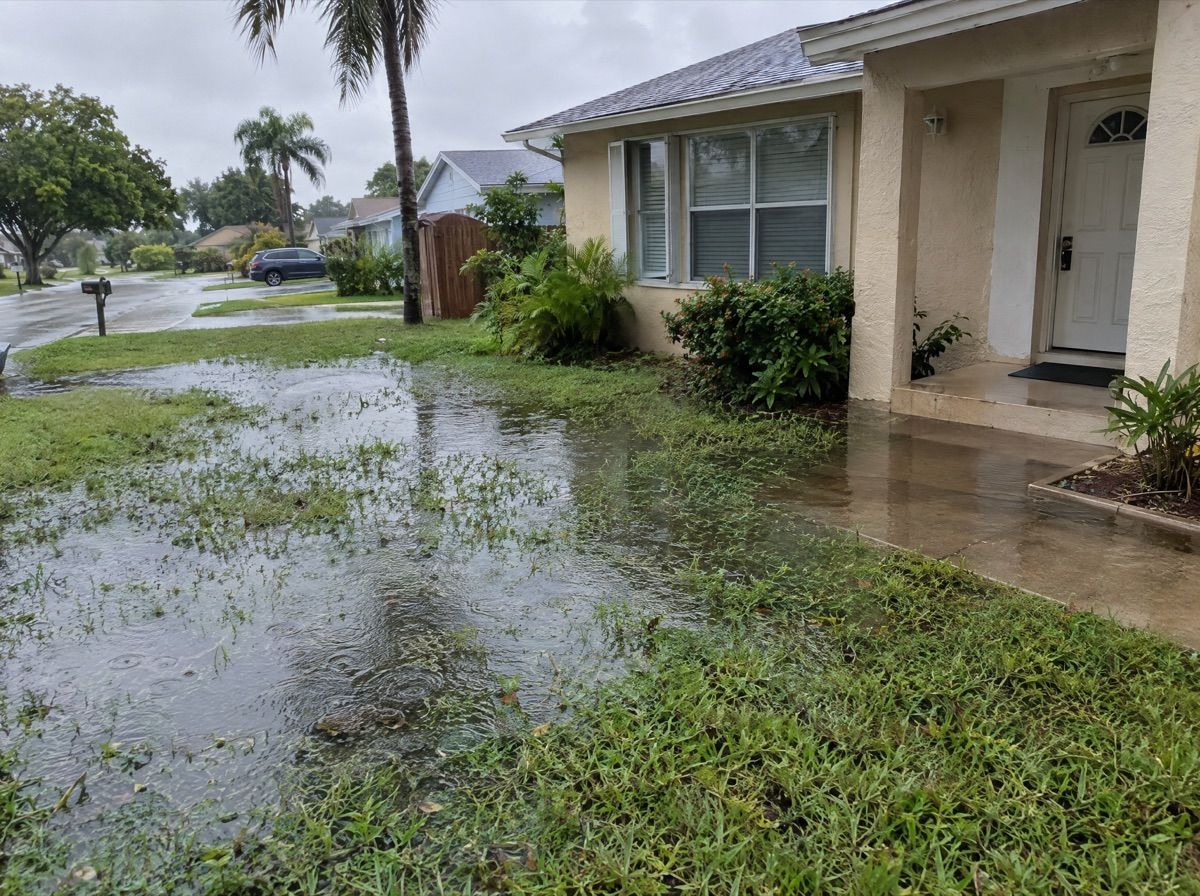
Storms, flooding and overflow
Water left after a storm or an overflow has to be removed and dried fast.
What to do when water gets in
The first day or two matter. Agency guidance repeats the same short window.
Stop the water
Find the source and stop it: a leak, a blocked drain or water left after a storm.
Clean and dry spills within 24 hours
Dry out wet building materials and carpets within 24 hours.
Use extraction, dehumidification and fans
Carpet and backing should be dried within 24 to 48 hours with water extraction, dehumidification and fans.
Assume growth after a flood
If a home flooded and could not be dried, including furniture and belongings, within 24 to 48 hours, assume mold growth.

Dry water-damaged areas and items within 24 to 48 hours. In most cases mold will not grow if they dry within that window. Moisture control is the key to mold control.
Talk it through with us
Request a call. We will explain the process. The assessment is done by an independent licensed assessor you hire and pay directly, and if remediation is needed, we sell it under our agreement and a Florida-licensed remediator performs it on our behalf.
Common questions
Why is mold growing in my home?
Mold needs moisture. In Florida the usual sources are leaks in the roof, walls or plumbing, AC condensate and drain pans, condensation on cold surfaces, high indoor humidity, blocked dryer or bathroom vents, and water that stayed after a storm or flood. The key to mold control is moisture control: fix the water source, dry the area, and keep humidity down. Cleaning visible growth without fixing the moisture only buys time before it returns.
How fast does mold grow after water damage?
Mold colonies can start on a damp surface within 24 to 48 hours, and materials that stay wet 48 to 72 hours are treated as contaminated. If a home flooded and could not be dried within 24 to 48 hours, assume mold growth even if you cannot see it yet. That is why cleanup guidance repeats the same window: extract water, remove soaked porous items, and dry everything fast. Sampling is not part of a routine post-disaster check.
What causes mold in a closet?
Closets are commonly missed because they are rarely supplied with conditioned air, so mold and mildew are not uncommon there. Add Florida outdoor humidity, a cold exterior wall, or clothes and boxes packed against that wall, and you get a damp microclimate. Mold on leather and fabric is not uncommon in closets. The fixes are airflow, less crowding against exterior walls, and keeping indoor humidity below 60%.
Sources
- U.S. EPA Brief guide mold moisture and your homeAccessed 2026-09-26
- Florida Department of Health MoldAccessed 2026-09-26
- CDC Guide to mold cleanupAccessed 2026-09-26
- U.S. EPA Mold remediation schools and commercial buildings guide chapter 4Accessed 2026-09-26
- CDC Rr5508a1Accessed 2026-09-26
- energyresearch.ucf.edu Mold growthAccessed 2026-09-26

Reviewed by Othmar 2026-10-05: "Approve all launch pages for production" (2026-10-01)