
Testing
Mold inspection in The Hammocks: an independent licensed assessor
For a mold inspection in The Hammocks, an independent Florida-licensed mold assessor does the assessment, separate from the company that does the cleanup. We visit at no cost, explain the process, and you hire and pay the assessor directly.
How we work

English or Spanish
One call, in your language.

One point of contact
No searching. No lists of companies.

Independent assessment
By a licensed assessor you hire and pay directly.
Licensed remediation
We sell it; a Florida-licensed remediator performs it on our behalf.
Who does a mold inspection in The Hammocks
Florida licenses mold assessors as individuals, not as companies. The state's licensing definitions describe a mold assessment as physical sampling plus a detailed evaluation to form an initial hypothesis about the growth. For mold growth greater than 10 square feet, that is the service Florida regulates, unless a statutory exemption applies. A visual walkthrough alone is not a mold assessment.
Verify the specific person who will do the work, not just the company that answers the phone. You can check an individual's license in the state's DBPR license search before you hire. We serve Miami-Dade, south Broward and Monroe counties. Other areas we also serve: Kendall West, Kendale Lakes, Three Lakes and Kendall.
The Hammocks is a community in Miami-Dade County with about 58,800 residents, and about 77 percent of residents age 5 and older speak Spanish at home, according to the Census Bureau's 2020 to 2024 American Community Survey. We work in English and Spanish. Census ZIP Code areas that overlap The Hammocks: 33186, 33196.
What an assessment covers
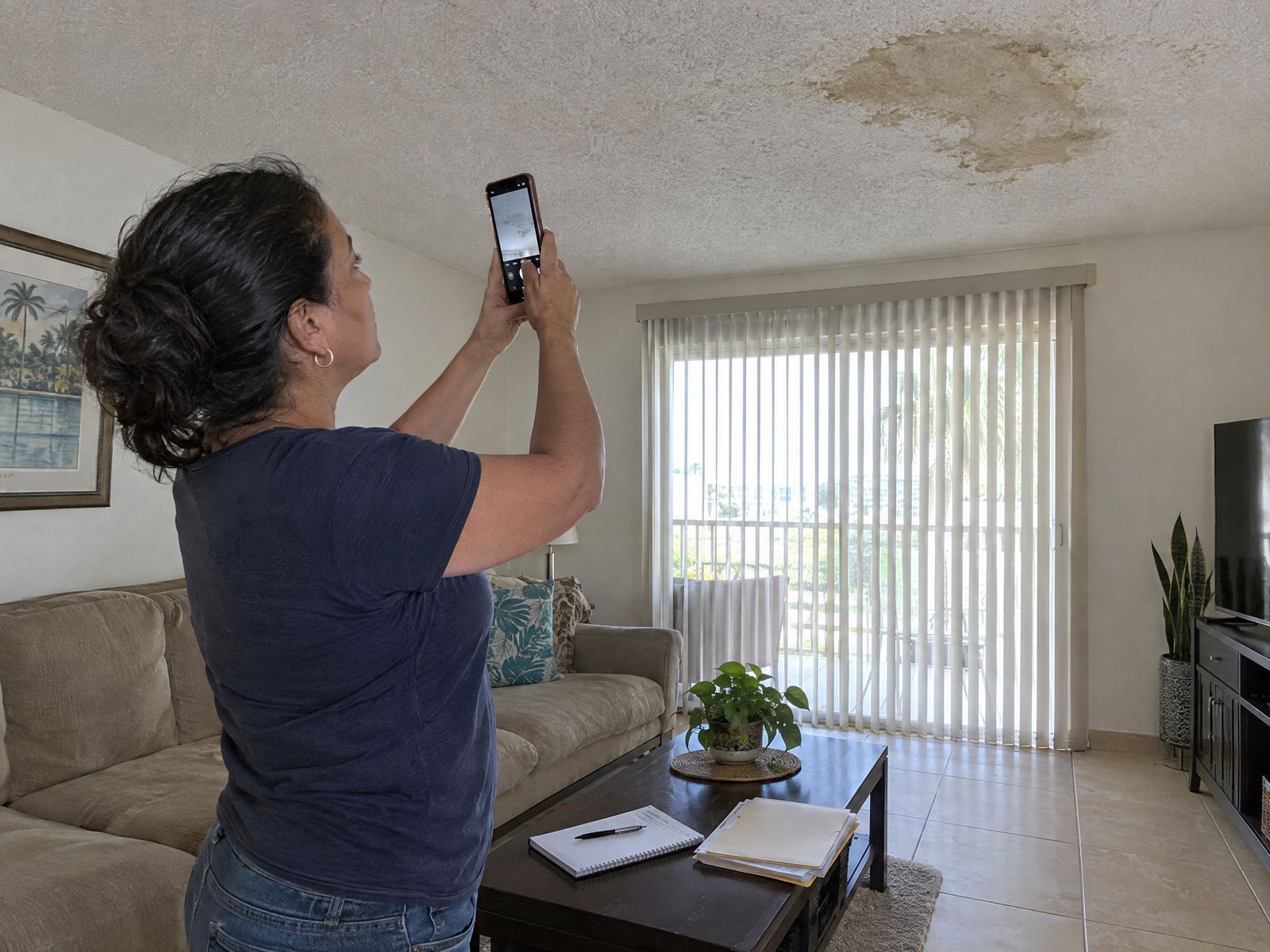
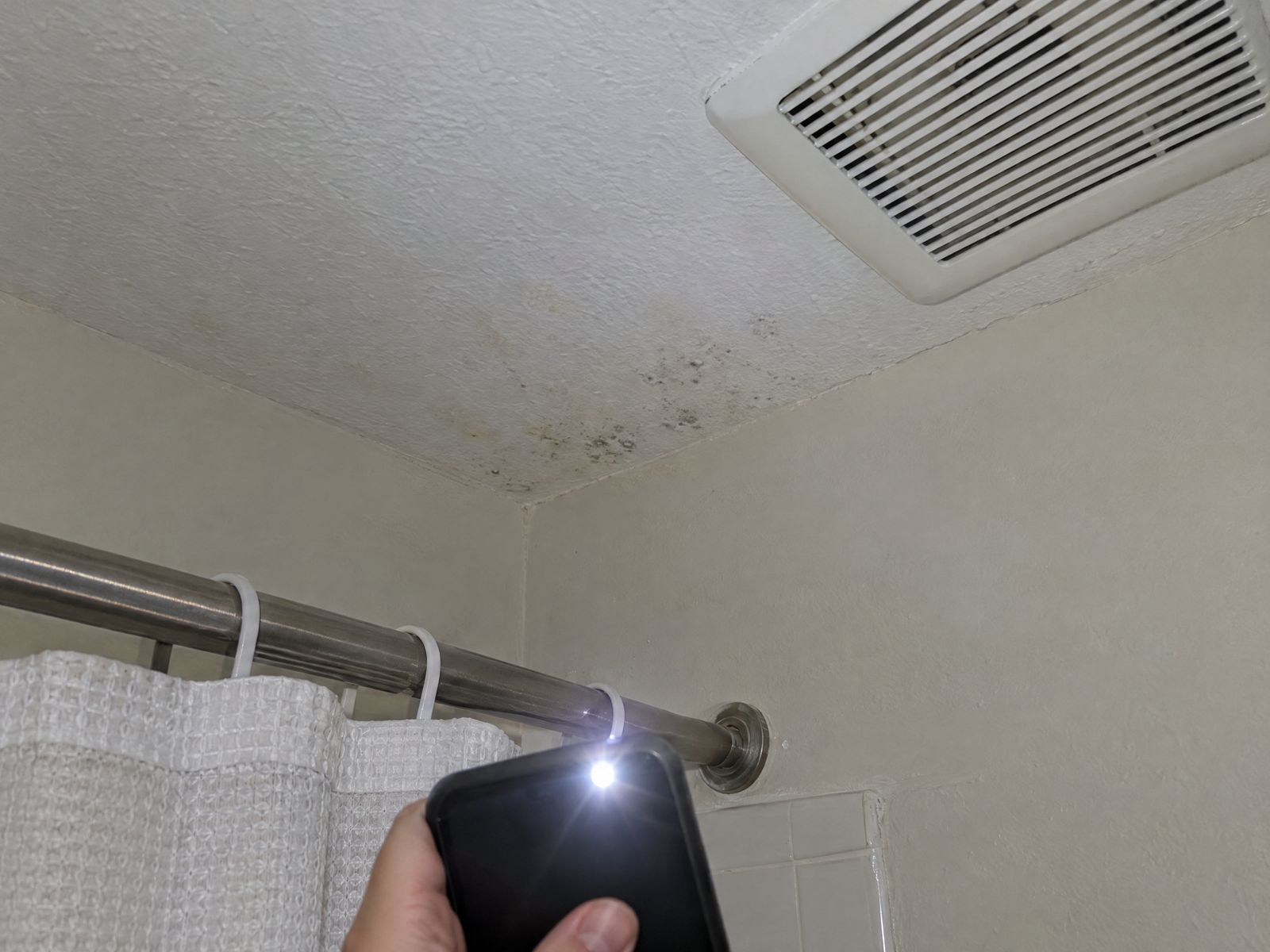
Visible growth and stains
EPA calls visible mold the most important sign of a problem. Once growth is found, the assessor sizes the moldy area and evaluates the moisture problem that allowed it.
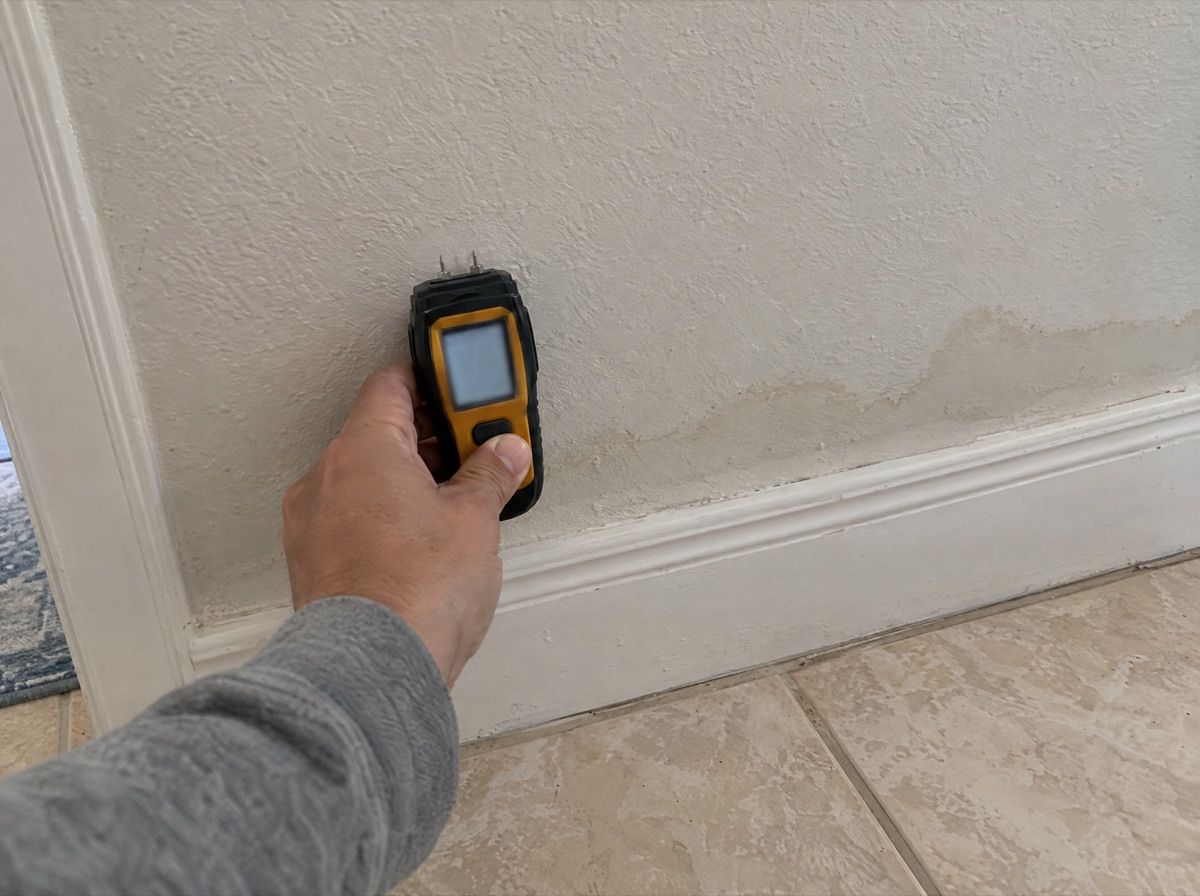
Moisture readings
Moisture meters measure content in carpet, wallboard, wood, brick and concrete, and they help locate hidden wet areas and monitor drying.
Sampling
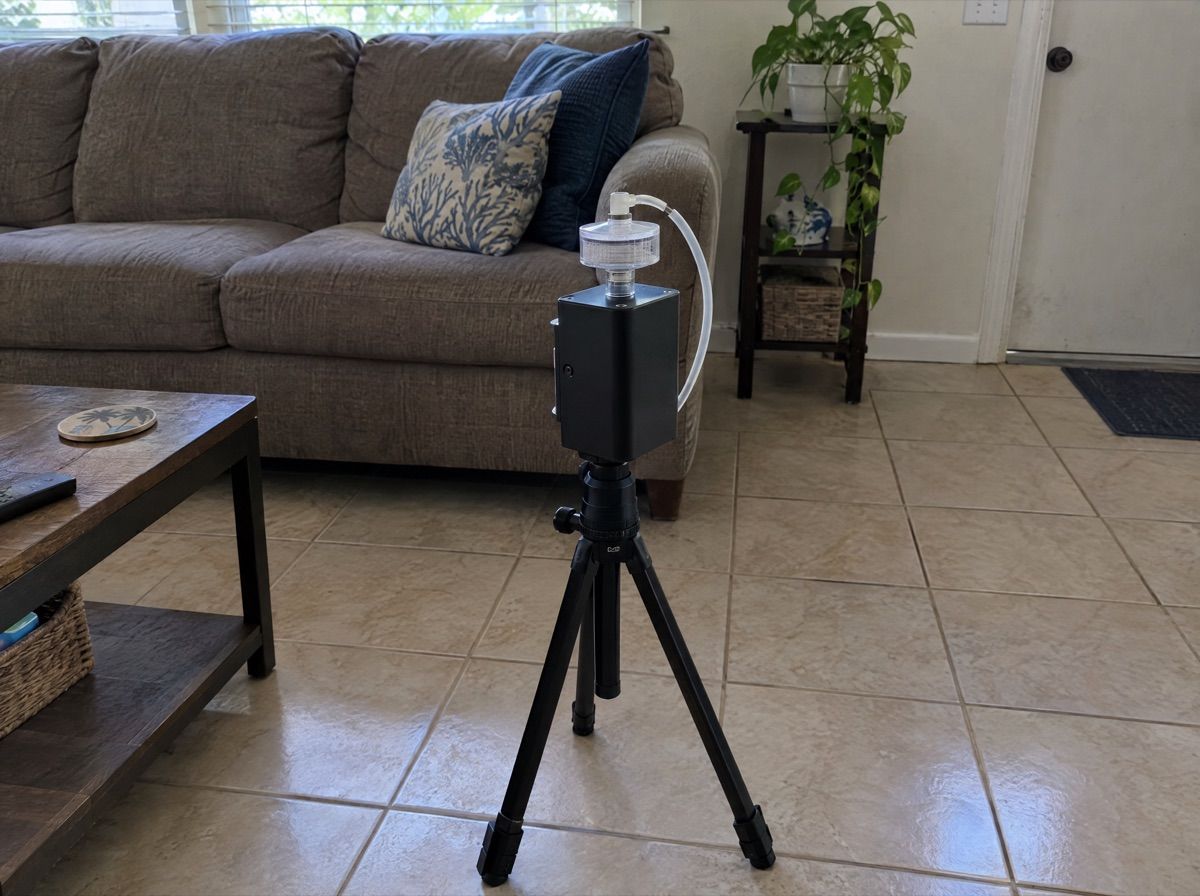
Florida's definition of a mold assessment includes physical sampling. Air sampling is a snapshot of one moment, EPA lists leaving out outdoor control samples as a sampling pitfall, and the results can be hard to interpret without experience.
Hidden areas
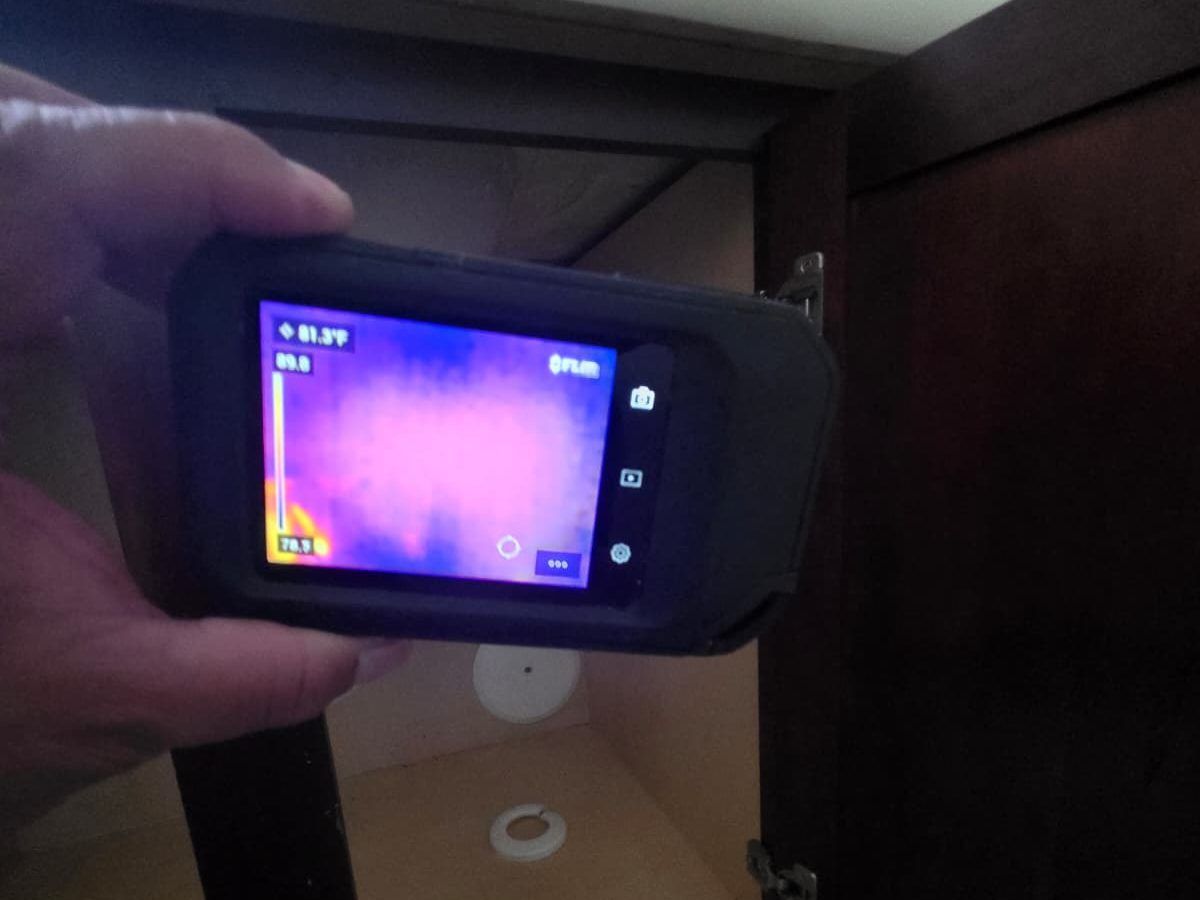
When mold is suspected but not visible, EPA notes that an investigation by an experienced professional may be warranted.
How we help
Call or request a call
Tell us what you are seeing and when it started.
We visit at no cost
Our staff makes a home visit, a visual walkthrough that is not an inspection or an assessment.
You hire the assessor
You hire and pay an independent licensed mold assessor directly; we do not receive money from the assessor or pay the assessor.
You get the assessor's report
The assessor gives you the findings, which guide the scope of any remediation.
If remediation is needed
We sell it under our agreement, and a Florida-licensed mold remediator performs the work on our behalf.
What sampling can and cannot tell you
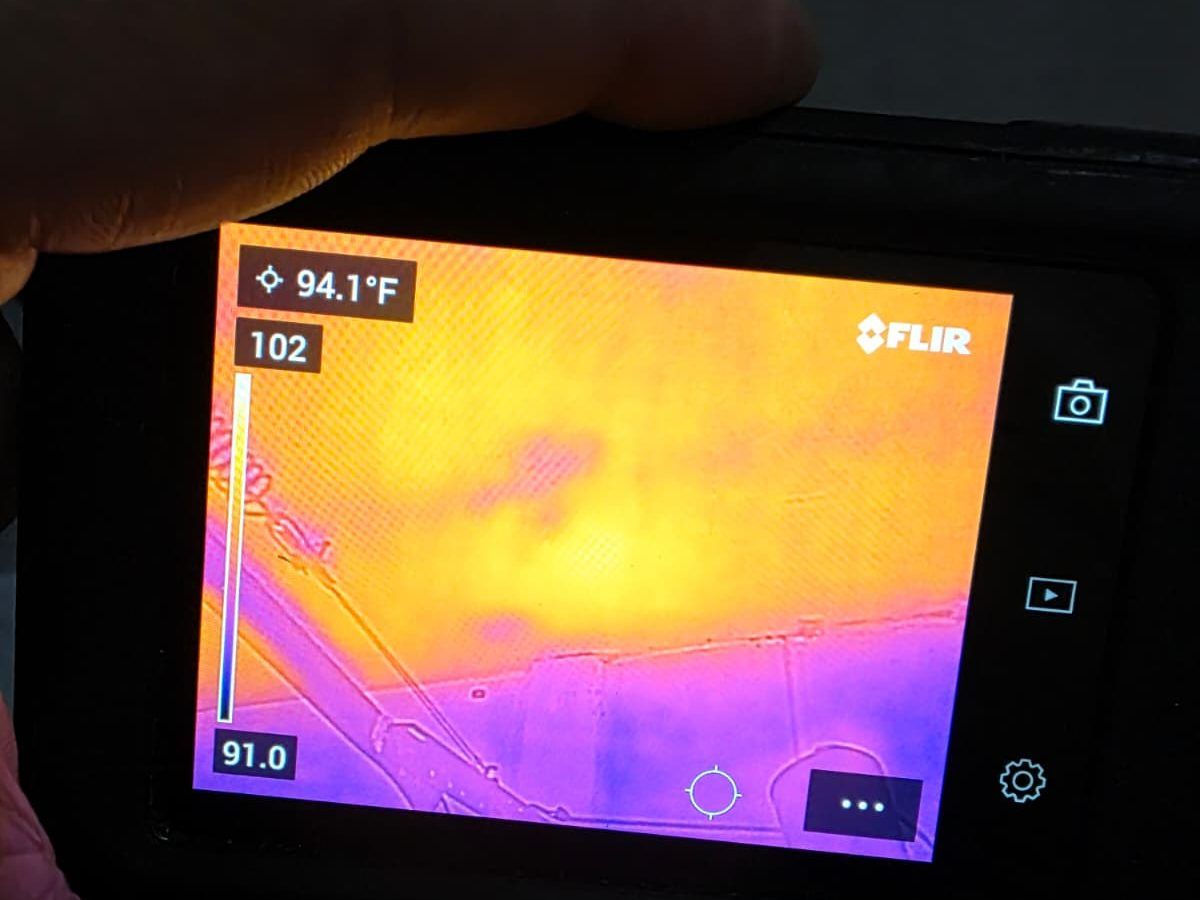
EPA says sampling is unnecessary in most cases when visible mold growth is present. That guidance does not change Florida's definition of a mold assessment, which includes physical sampling. What is sampled, and where, is the licensed assessor's decision.
Sampling has limits. Air sampling is a snapshot of one moment, and there are no health-based standards for mold levels, so a result cannot tell you whether a level is safe.
- Surface sampling may be useful to check whether an area was adequately cleaned or remediated.
- Sample types include air, surface, bulk and water samples, each with its own limits.
- After cleanup, if sampling is done, EPA says indoor levels should be similar to outdoor levels.
Before the assessor arrives
What to do
- Note where you see or smell mold, and write down when it started.
- Write down leaks and the dates you noticed them.
- Stop active leaks and dry wet materials now; do not wait for the assessment to do that.
What not to do
- Do not paint or caulk over moldy surfaces. If sampling is planned, ask the assessor whether an area should be left undisturbed.
- Do not run a mold-contaminated air conditioning system; turn it off until it is remediated.
- Never mix bleach with ammonia or other cleansers.

Our home visit is a visual walkthrough. It is not an inspection, a mold assessment, a test or sampling. A mold assessment is done by an independent licensed mold assessor you hire and pay directly.
Talk it through with us
Request a call. We will explain the process. The assessment is done by an independent licensed assessor you hire and pay directly, and if remediation is needed, we sell it under our agreement and a Florida-licensed remediator performs it on our behalf.
Common questions
What does a mold inspection include?
People use the words mold inspection for two different things. A visual look with moisture readings checks for visible growth, water stains, condensation, musty odors and elevated moisture in walls, ceilings and floors. A mold assessment is the service Florida regulates: for mold growth greater than 10 square feet it includes physical sampling and a detailed evaluation, and it is the work of a licensed mold assessor unless a statutory exemption applies. A visual walkthrough alone is not that assessment. Ask which one is being offered, and verify the license of the person who will do it.
How do I know when mold cleanup is finished?
EPA's criteria: the moisture problem is fixed completely; visible mold, mold-damaged materials and moldy odors are gone; if sampling was done, indoor levels are similar to outdoors; a revisit confirms no new water damage or growth; and occupants can return without health complaints. Ultimately it is a judgment call, which is why a written scope and a final walkthrough matter. Note that indoor and outdoor similarities only apply if the sampling was done properly in the first place.
How do I find a qualified mold assessor in Florida?
Florida licenses mold assessors and remediators under F.S. 468 Part XVI, administered by DBPR. The license belongs to an individual, not a company, so verify the person who will actually do the work. Ask what the visit includes, whether it is a regulated assessment or a visual moisture inspection, and what each sample would answer. Because the 10 square-foot line defines licensed provider activity but has statutory exemptions, do not assume every provider or every job falls under it.
Sources
- Florida StatutesAccessed 2026-09-26
- Florida DBPR FaqsAccessed 2026-09-26
- data.census.gov ProfileAccessed 2026-10-01
- census.gov 2024 gaz place 12Accessed 2026-09-26
- census.gov Explanation tab20 zcta520 place20 natlAccessed 2026-09-27
- census.gov Usps census cityAccessed 2026-09-27
- U.S. EPA Samplingtesting mold necessaryAccessed 2026-09-26
- U.S. EPA Mold course chapter 3Accessed 2026-09-26
- U.S. EPA Mold remediation schools and commercial buildings guide chapter 3Accessed 2026-09-26
- U.S. EPA Mold testing or samplingAccessed 2026-09-26
- CDCAccessed 2026-09-26
- Florida Department of Health MoldAccessed 2026-09-26
- U.S. EPA Brief guide mold moisture and your homeAccessed 2026-09-26
- U.S. EPA Mold course chapter 5Accessed 2026-09-26
- Florida StatutesAccessed 2026-09-26