
Mold in a rental, condo or home sale in Florida: who is responsible
Who is responsible for mold depends on the property, the documents that govern it and the cause of the growth. Here are the questions for owners, renters, condo owners and buyers.
How we work

English or Spanish
One call, in your language.

One point of contact
No searching. No lists of companies.

Independent assessment
By a licensed assessor you hire and pay directly.

Licensed remediation
We sell it; a Florida-licensed remediator performs it on our behalf.
Who this section is for
Across every type of home, the mold facts are the same. EPA says visible mold is the most important sign of a problem, and the next steps are to judge the size of the moldy area and find the moisture that allowed the growth.
EPA guidance suggests checking that the moisture problem is fixed, that visible mold, mold-damaged materials and moldy odors are gone, and that any sampled indoor levels are similar to outdoor levels. EPA describes the final decision as a judgment call.
Common situations
Where responsibility and paperwork usually decide the next step.
Owners
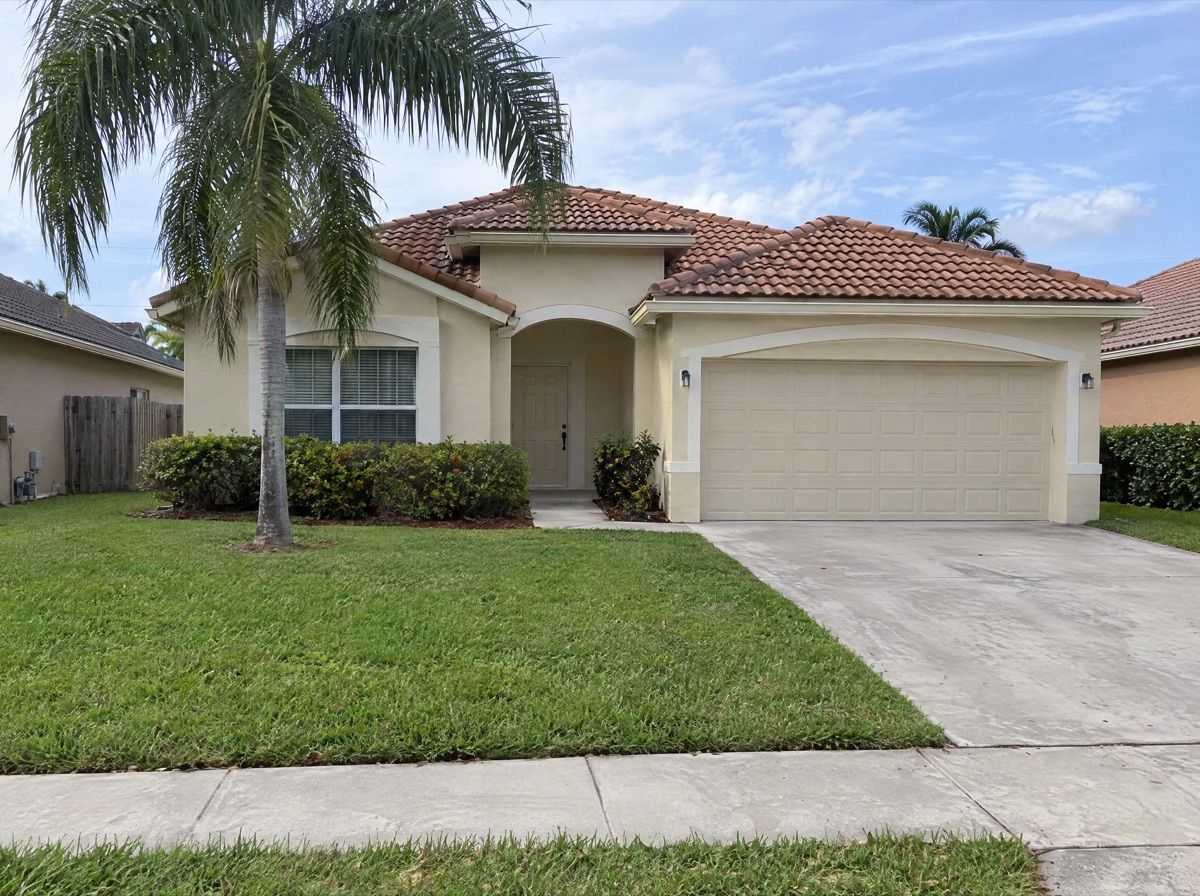
You control the property, so the work starts with finding and fixing the moisture that allowed the growth, then removing the growth and drying the area.
Condo owners
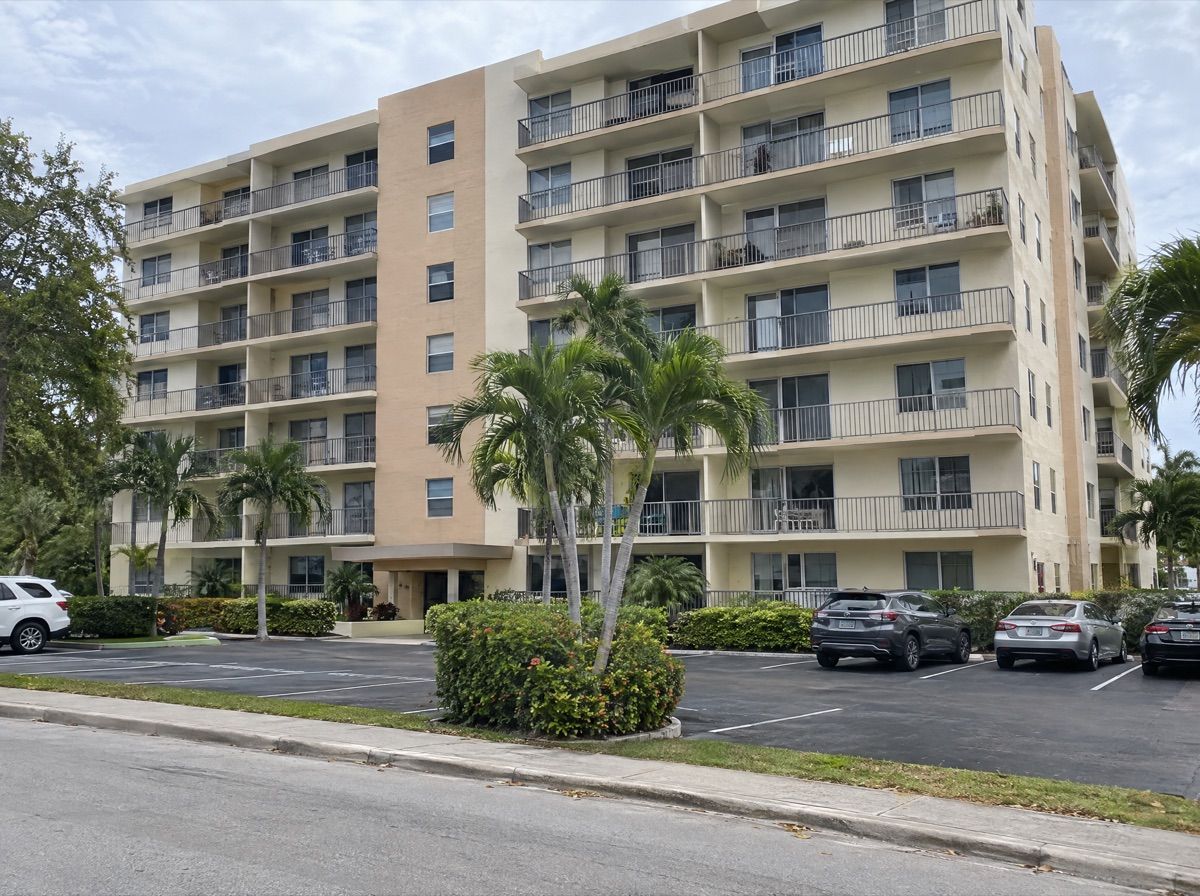
During a declared state of emergency, if the condominium documents do not prohibit it, the board may contract for removal and disposal of wet drywall, insulation, carpet, cabinetry or other fixtures to limit further damage or the spread of mold, even when the unit owner must insure or replace those items. Check the association documents and your unit owner policy for what each side covers.
Buyers and sellers
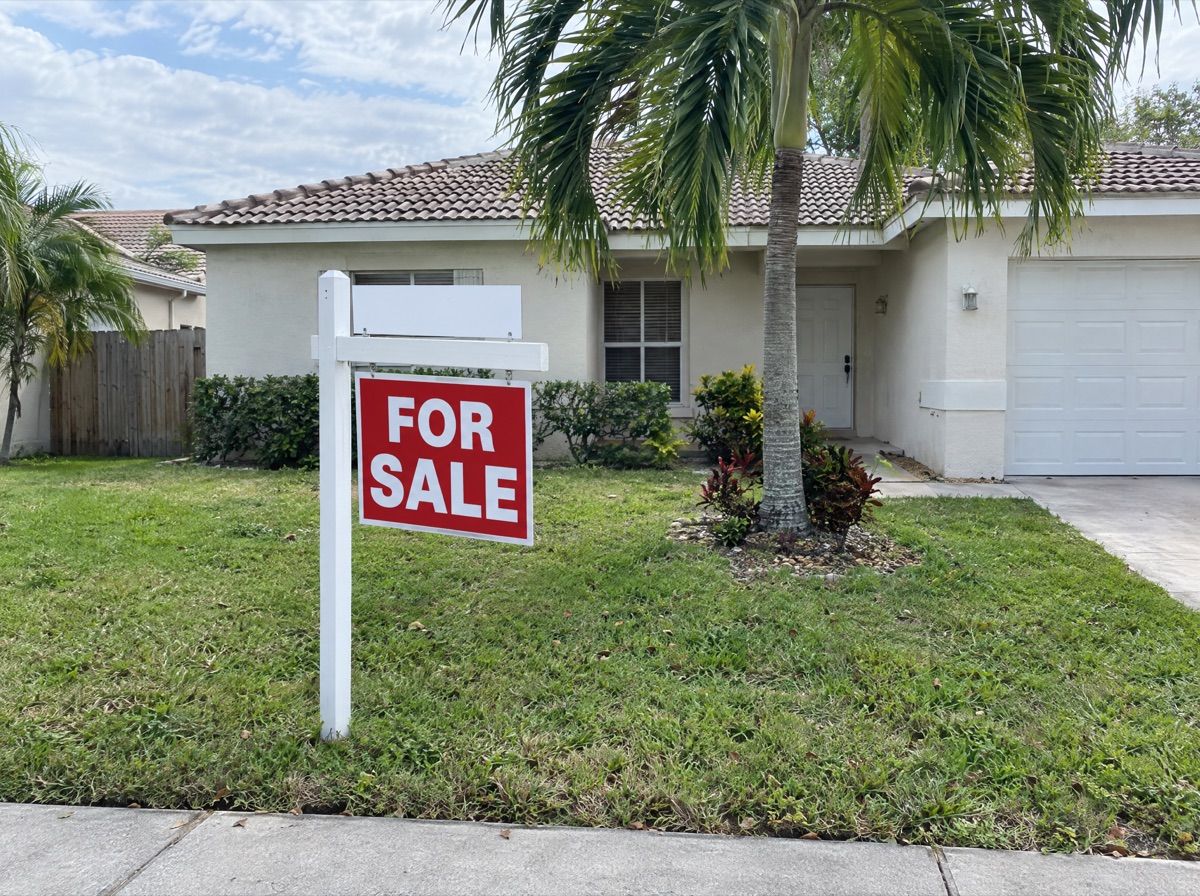
A seller of residential real property must give a flood disclosure at or before the time the sales contract is signed. It asks about known flood damage during the seller's ownership, flood insurance claims and flood assistance, including FEMA assistance. A buyer should ask where the water came from, whether it was fixed and what was removed.
Renters
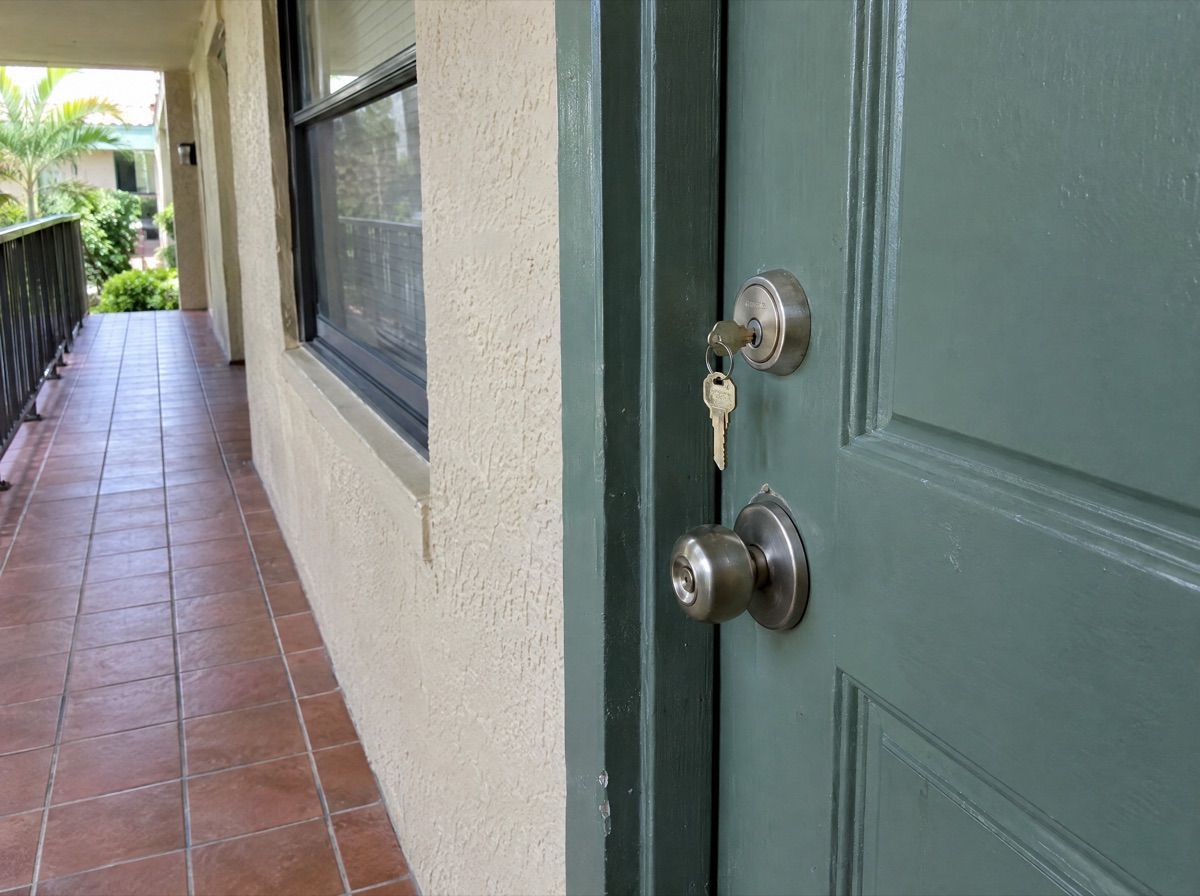
A renter's rights depend on the lease, on Chapter 83 of the Florida Statutes and on the facts of the situation. For your own situation, ask a tenant resource or a Florida attorney.
Where responsibility starts
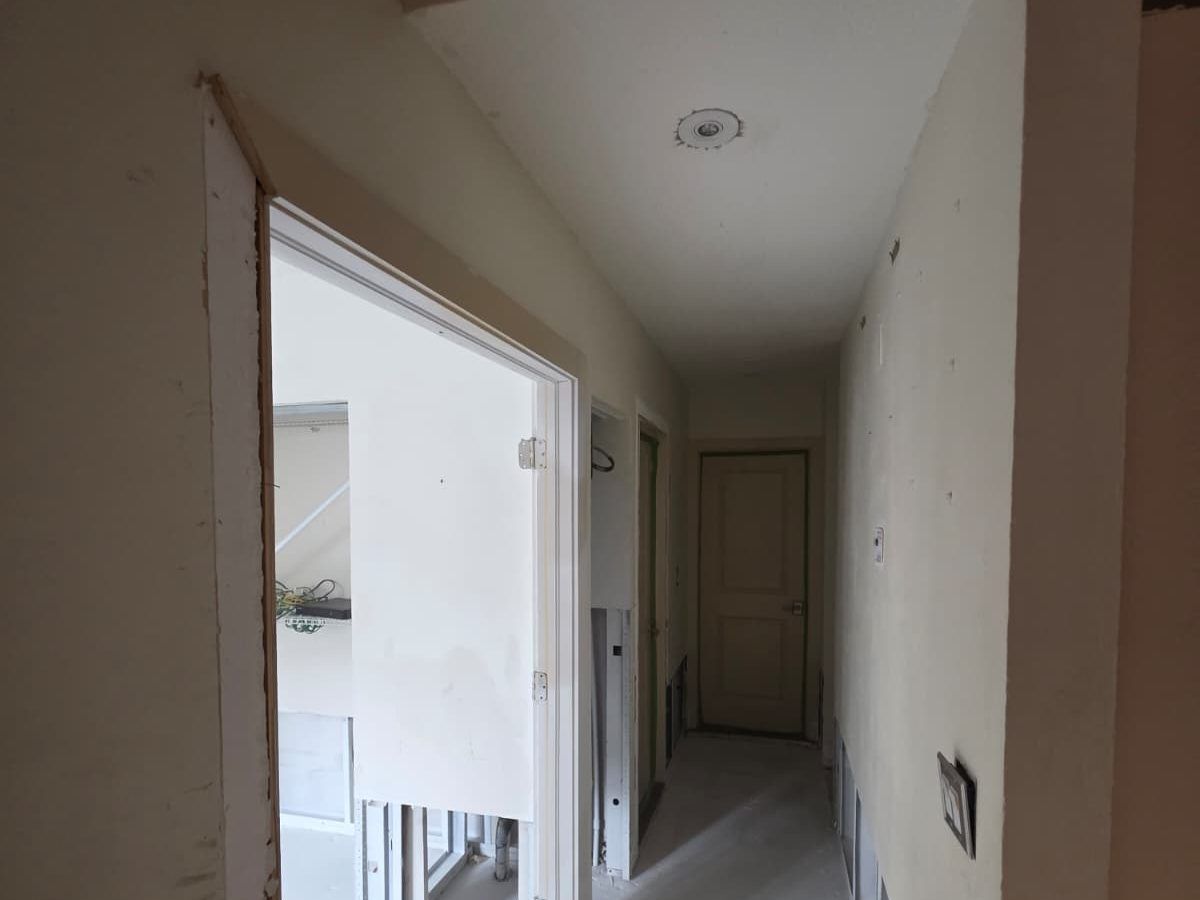
Responsibility turns on the property, the documents that govern it and the cause of the growth. A condo owner and a renter can look at the same ceiling and have different next steps.
With any type of home, the mold facts do not change: visible growth is the most important sign, and the next step is to find the moisture behind it.
- In a declared emergency, a condo association may remove wet drywall, insulation, carpet or cabinetry to stop the spread of mold.
- A seller must give a flood disclosure at or before the contract.
- Finished remediation means the moisture problem is fixed and no visible mold or moldy odors remain.
Ask about water before anything else
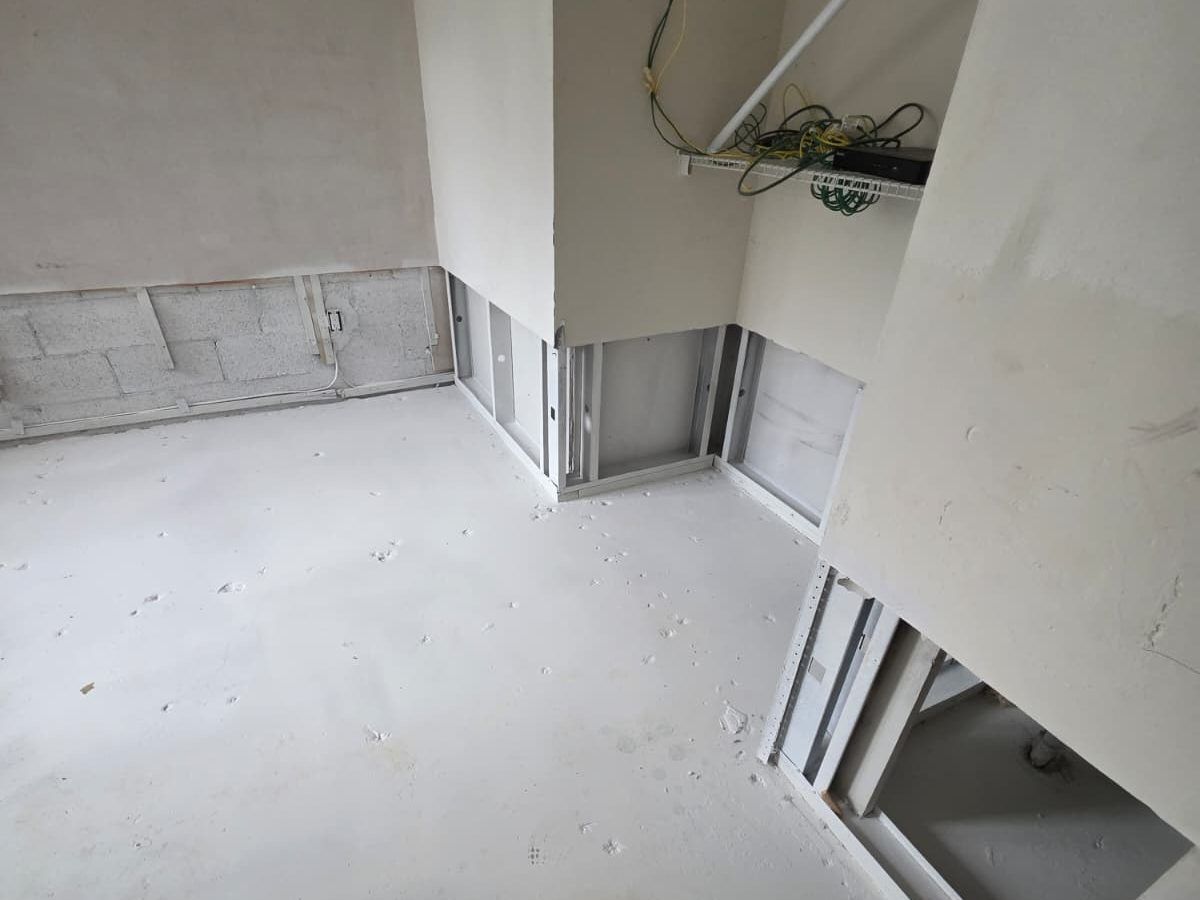
A seller of residential real property must give a flood disclosure at or before the time the sales contract is signed. It asks about known flood damage during the seller's ownership, flood insurance claims and flood assistance, including FEMA assistance.
Insurers must provide a coverage checklist with basic homeowner, mobile home, dwelling and condominium unit owner policies. The checklist names mold as an item to check; it does not decide what your policy covers.
- Known flood damage during the seller's ownership.
- Flood claims and flood assistance the seller received.
- Whether the policy checklist lists mold.

Repair responsibility depends on the property, its governing documents and the cause of the damage. Insurance coverage depends on the policy and the facts of the loss. This page is general information, not legal advice. For a dispute about your own situation, use an independently chosen Florida attorney.
Talk it through with us
Request a call. We will explain the process. The assessment is done by an independent licensed assessor you hire and pay directly, and if remediation is needed, we sell it under our agreement and a Florida-licensed remediator performs it on our behalf.
Common questions
Should I get a mold inspection before buying a house?
Yes if the home has water stains, a musty smell, a flood history, or signs of past leaks. Visible mold is the most important sign of a problem, and the next step is sizing the moldy area and finding the moisture that allowed it. Ask where the water came from, whether it was fixed, and what was removed. If remediation was done, look for documentation that the moisture problem was corrected and that visible mold, mold-damaged materials and moldy odors are absent. If sampling was done, EPA says indoor air results should be similar to outdoor results. EPA describes completion as a judgment call, not a single guarantee.
What is loss assessment coverage and does it cover mold?
Loss assessment coverage pays a unit owner's share of an association assessment after a covered loss. Florida requires a unit owner residential property policy to include at least $2,000, with a deductible of no more than $250 per direct property loss for policies issued or renewed on or after July 1, 2010. Whether it responds to a mold assessment depends on the association's loss and your policy language, so check the limit and the cause before assuming it does.
Can the HOA remove my wet drywall after a leak?
Yes, in an emergency. During a state-declared emergency, a Florida condominium association may take specified steps to mitigate damage, including removing and disposing of wet drywall, insulation, carpet, cabinetry or other fixtures, unless the law or the condominium declaration, articles or bylaws prohibit that action. The association may contract on the owner's behalf for necessary services, such as drying or sanitizing, and the owner is responsible for the actual cost of services contracted on their behalf.
What should condo owners check in their insurance?
Start with the state coverage checklist that must come with homeowner, mobile home, dwelling and condominium unit owner policies. It lists whether the principal premises, other structures and personal property are insured against mold, with the limits of liability. Then confirm your policy states it is excess over other coverage and includes at least $2,000 in loss assessment coverage. The statute requires mold to appear on the checklist but does not set a mold limit, so read the form itself.
What is the Florida flood disclosure?
A seller of residential real property must complete and provide a flood disclosure at or before the sales contract is executed. It asks whether the seller knows of flooding that damaged the property during the seller's ownership, whether the seller filed a flood-damage insurance claim, including an NFIP claim, and whether the seller received FEMA or other flood-damage assistance. For this disclosure, flooding includes overflow of inland or tidal waters; unusual, rapid accumulation of runoff or surface waters from an established water source; or sustained standing water from rainfall. For a mold-prone property, that history is the buyer's best clue about what happened before.
Should I buy a house that has had mold?
Only after you understand the water. Ask where the moisture came from, whether the source was repaired, how far the growth spread and what was removed. Then look for documentation of the repair and cleanup: the moisture problem fixed, no visible mold or moldy odors, and if sampling was done, indoor levels similar to outdoors. EPA says mold is likely to return if the water problem is not fixed and warns against painting over moldy surfaces.
Sources
- U.S. EPA Samplingtesting mold necessaryAccessed 2026-09-26
- U.S. EPA Mold course chapter 3Accessed 2026-09-26
- U.S. EPA Mold remediation schools and commercial buildings guide chapter 3Accessed 2026-09-26
- Florida StatutesAccessed 2026-09-26
- Florida StatutesAccessed 2026-09-26
- Florida StatutesAccessed 2026-09-26
- Florida StatutesAccessed 2026-09-26
- Florida StatutesAccessed 2026-09-26
- Florida StatutesAccessed 2026-09-26
- Florida StatutesAccessed 2026-09-26